

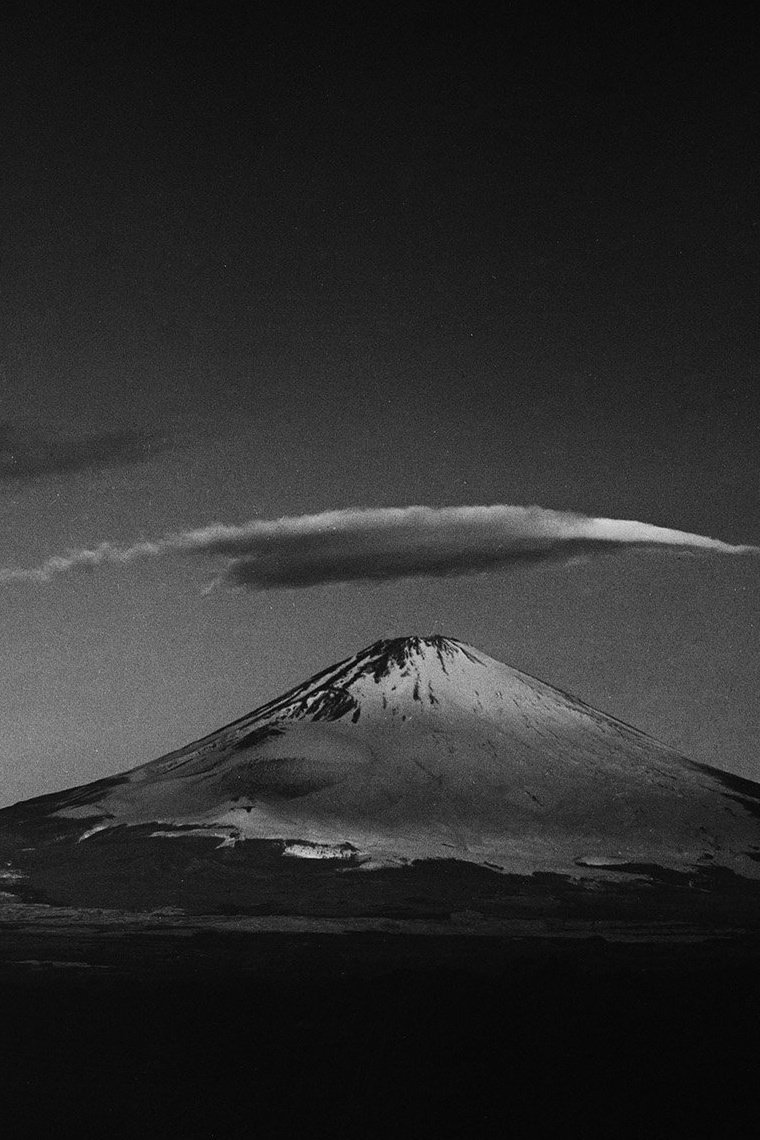
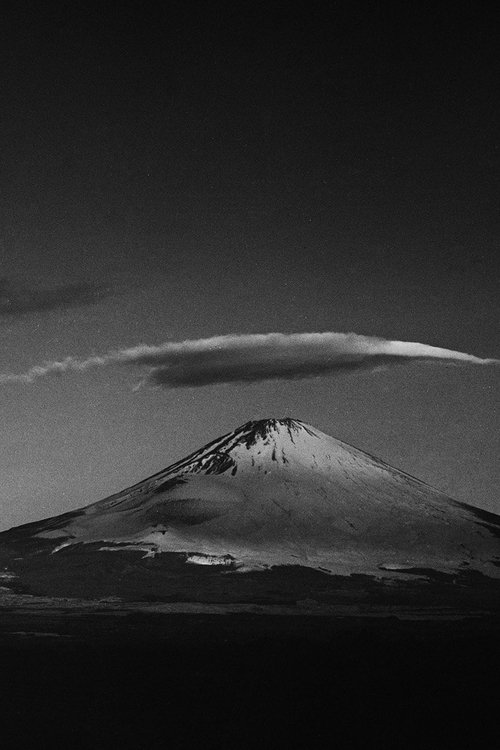
Mount Fuji – The Movement of Clouds
Documentary
Overview
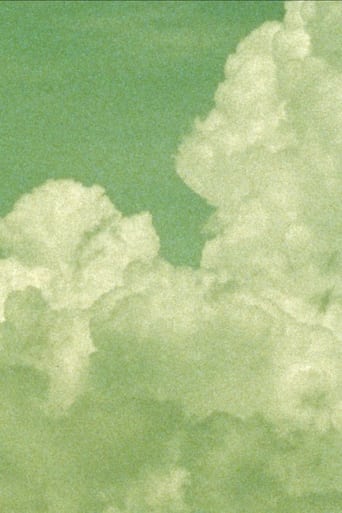
In 1927, meteorologist Masanao Abe (1891-1966) established the Abe Cloud Air Current Research Observatory on the heights of Gotemba in Shizuoka Prefecture. Until 1942, through his contributions to research magazines and publications, he worked on elucidating the formation process of clouds above Mount Fuji. He left a colossal archive representative of modern meteorology, including pictorial records of every kind-- this one an early success, artistically.





No cast information.
Similar Movies

Bacteria, viruses, but also fungi, algae, pollen, and even insects: micro-organisms thrive and circulate constantly in our sky. How can so many living beings find their way into the air and circulate? How do they survive? And what influence do they have on our lives and the living world? Biodiversity, health, climate: it is only recently that scientists have begun to understand how this discreet aerial "plankton" affects our lives and our ecosystem. But despite their many virtues, some of these micro-organisms are now threatened by human activities. With the help of experts and 3D models, this scientific investigation plunges us into the heart of a still mysterious world, and reveals the diversity and fragility of the air we breathe.
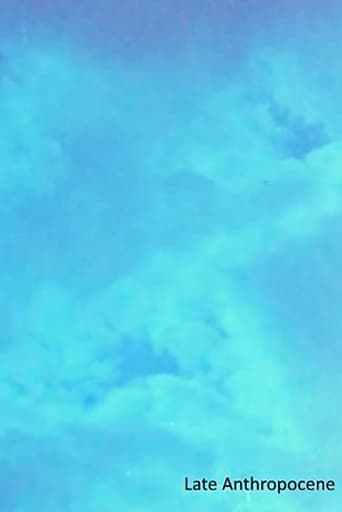
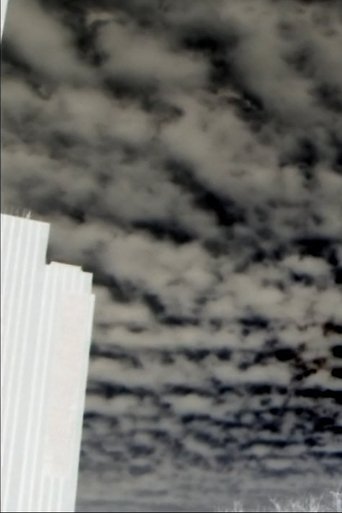
Hand processed expired Kodak 7291, Camera: Beaulieu R16, Lens: Angenieux 12-120mm with +3 Diopter, Polarising filter for the clouds. Hand processed in C-41 chem using a Lomo UPB-1A tank. Still haven't mastered removal of the rem-jet anti-halation layer (thats all the white 'static' on the film). The film expired about 40 years ago.
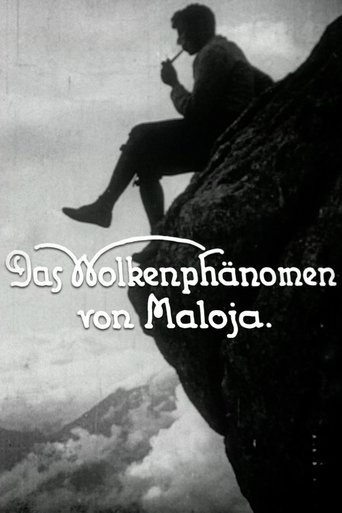
The cloud phenomena of Maloja are so well-known that some of them have names, such as the Maloja snake, a cloud bank that winds its way through the Alpine pass like a river. Clouds pass overhead, Fanck films them, just sufficiently to get the idea, among the crags of the Engadine, and gradually he connotes the wider scene, peopling the solitude and stillness below with a person or two, boating.
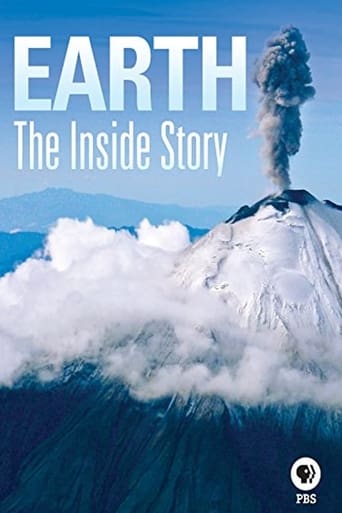
Earthquakes, tsunamis, volcanic eruptions, and extreme weather. Has Earth always been this way? Featuring footage of top geologic hot spots on every continent, the film traces the scientifically-based story of the 4.5 billion-year-old Earth, from the core to the crust and up into the atmosphere.
Commissioned by the U.S. Government Defense Civil Preparedness Agency, the film describes the elements of a modern tornado warning system as was developed at the Texas Tornado Warning Conferences in 1953 and included radar detection of tornadoes, a spotter network, and improved communications between the U.S. Weather Bureau, spotters, and public officials to better disseminate warnings to the public. In the 1960s TV changed the way tornado safety and preparedness information was disseminated and this film is likely a product of that development. This film opens with vignettes of people in a small town somewhere in America’s suburban midwest. It then goes on to display the moments before and after the onset of a tornado and informs the audience of appropriate safety response measures.
Clouds 1969 by the British filmmaker Peter Gidal is a film comprised of ten minutes of looped footage of the sky, shot with a handheld camera using a zoom to achieve close-up images. Aside from the amorphous shapes of the clouds, the only forms to appear in the film are an aeroplane flying overhead and the side of a building, and these only as fleeting glimpses. The formless image of the sky and the repetition of the footage on a loop prevent any clear narrative development within the film. The minimal soundtrack consists of a sustained oscillating sine wave, consistently audible throughout the film without progression or climax. The work is shown as a projection and was not produced in an edition. The subject of the film can be said to be the material qualities of film itself: the grain, the light, the shadow and inconsistencies in the print.