

Clouds
Documentary
Overview
Clouds 1969 by the British filmmaker Peter Gidal is a film comprised of ten minutes of looped footage of the sky, shot with a handheld camera using a zoom to achieve close-up images. Aside from the amorphous shapes of the clouds, the only forms to appear in the film are an aeroplane flying overhead and the side of a building, and these only as fleeting glimpses. The formless image of the sky and the repetition of the footage on a loop prevent any clear narrative development within the film. The minimal soundtrack consists of a sustained oscillating sine wave, consistently audible throughout the film without progression or climax. The work is shown as a projection and was not produced in an edition. The subject of the film can be said to be the material qualities of film itself: the grain, the light, the shadow and inconsistencies in the print.


No cast information.
Similar Movies
The carrot caterpillar hides among and feeds on the leafy foliage in carrot fields. A man demonstrates how difficult it is to detect and remove them from the carrot plants. They propel themselves with their six feet and twelve suction cups. To ward off enemies, they display two horns which secrete a malodorous liquid. Before the chrysalis stage of their development, they attach themselves to a surface and two days later burst from their shell. After spending the winter as a chrysalis, they emerge as swallowtail butterflies. Once they have bathed their wings in dew and dried off, they are ready to fly. (Library of Congress)
Host Jack Perkins (of the A&E "Biography" series) takes to the skies to show us an aerial view of the state of Maine. From rocky coastlines to northern forests and everything in between, this breathtaking documentary presents a truly unique picture of one of the most wild and beautiful regions of the United States.
A deconstruction of Dog Star Man that takes the four rolls and shows them first combined, then each combination of three rolls, then each combination of two rolls, then each individual roll. The plot is of a man who goes up a mountain with a dog to chop down a tree but has some unspecified transcendental experience while he is there.
Against a plain, unchanging blue screen, a densely interwoven soundtrack of voices, sound effects and music attempt to convey a portrait of Derek Jarman's experiences with AIDS, both literally and allegorically, together with an exploration of the meanings associated with the colour blue.
Directed by one of the pioneers of the cinematic industry, James Williamson, The History of a Butterfly - A Romance of Insect Life is an intriguing look at the life cycles of butterflies and moths. Caterpillars are seen hatching, feeding and ready for pupation and with three caterpillars changing into chrysalis and the birth of a peacock butterfly, this black and white silent film is an early example of British natural history filmmaking.
In this short 20 minute black and white Belgian documentary, the director, Paul Haesaerts, visualised Pablo Picasso’s flow of imagination when the Spanish painter drew on large glass plates in front of the camera – like a live show of a greatest artist in performing a few masterstrokes that outlines a dove, bull, flower, man or woman and whatnot. (This technique of filming his painting from the other side of the glass plates precedes The Mystery of Picasso (1956), another famous documentary film on Picasso). (via http://www.kubrickians.com/2012/07/08/visite-picasso-1949-paul-haesaert/)
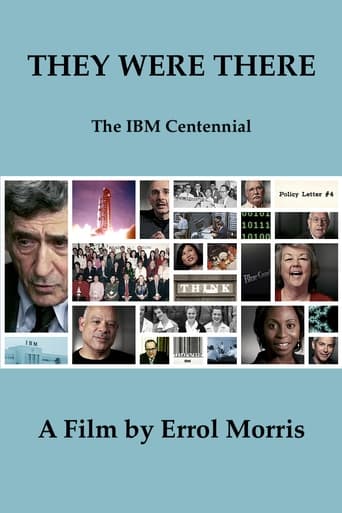
What does it mean to be an IBMer? Every employee experiences the company in different ways, but the global impact IBM has made on business and society over the last 100 years gives us all a common framework. "They Were There" is told by first-hand witnesses—current and retired employees and clients—who were there when IBM helped to change the way world works.