


We Feed the World
Documentary
Overview
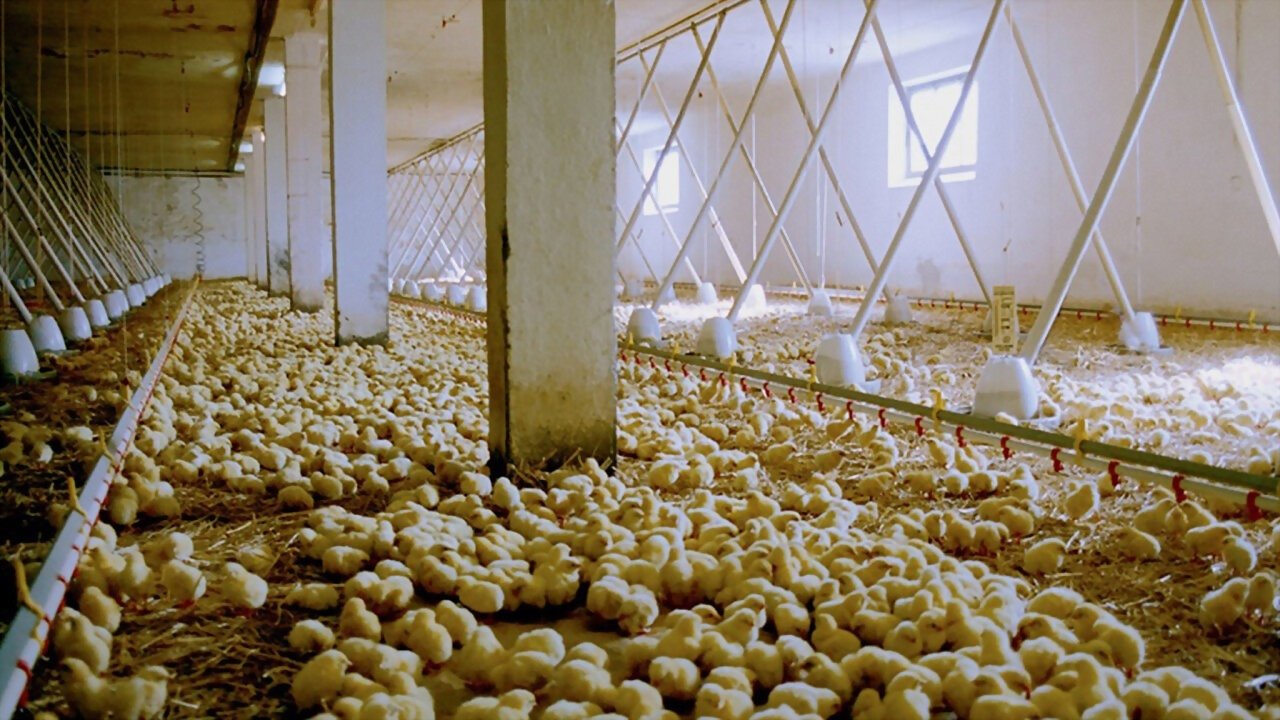
A documentary that exposes the shocking truths behind industrial food production and food wastage, focusing on fishing, livestock and crop farming. A must-see for anyone interested in the true cost of the food on their plate.




Jean Ziegler
Jean Ziegler
Self
Jean Ziegler
Self

Peter Brabeck
Peter Brabeck
Self
Peter Brabeck
Self
Karl Otrok
Karl Otrok
Self
Karl Otrok
Self
Similar Movies
To do this documentary, the director Pedro Henrique Fávero featured 42 characters - among MCs, DJs and producers - to make a detailed map of its kind in the country. Without mincing words, they speak openly here about 8 topics proposed by the film and try to understand Hip Hop in Brazil. The result is a collection of stories from a lot of fighting, where there are many eternal start-end-start, overcoming the difficulties of being understood and feeling of belonging to a group and many clichés.
In 1967, experimental filmmaker Jorgen Leth created a striking short film, The Perfect Human, starring a man and women sitting in a box while a narrator poses questions about their relationship and humanity. Years later, Danish director Lars von Trier made a deal with Leth to remake his film five times, each under a different set of circumstances and with von Trier's strictly prescribed rules. As Leth completes each challenge, von Trier creates increasingly further elaborate stipulations.
State of Bacon tells the kinda real but mostly fake tale of an oddball group of characters leading up to the annual Blue Ribbon Bacon Festival. Bacon-enthusiasts, Governor Branstad, a bacon queen, Hacksaw Jim Duggan, members of PETA, and an envoy of Icelanders are not excluded from this bacon party and during the course of the film become intertwined with the organizers of the festival to show that bacon diplomacy is not dead.
Amid the civil-military dictatorship implanted with the 1964 coup, Sergio Muniz had the idea of making a documentary about the action of the Death Squad. At the time, the press still had some freedom to disseminate the work of these death squads formed by police officers of various ranks, and that he acted on the outskirts of cities like Sao Paulo and Rio de Janeiro. The victims of police repression (as today) were men, poor and black, and this condition is supposed criminals.
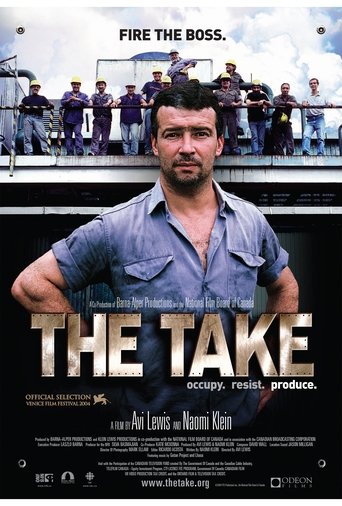
In suburban Buenos Aires, thirty unemployed ceramics workers walk into their idle factory, roll out sleeping mats and refuse to leave. All they want is to re-start the silent machines. But this simple act - the take - has the power to turn the globalization debate on its head. Armed only with slingshots and an abiding faith in shop-floor democracy, the workers face off against the bosses, bankers and a whole system that sees their beloved factories as nothing more than scrap metal for sale.
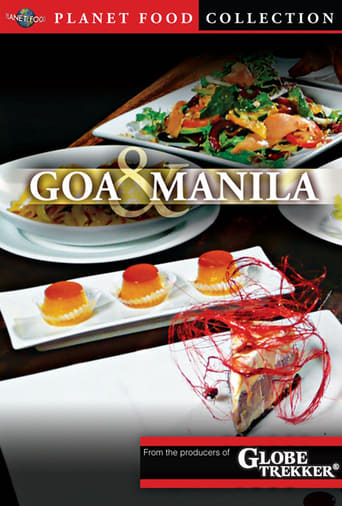
Roving foodies Angela May and Bobby Chinn embark on two culinary journeys across Asia. Angela travels to the western coast of India to sample the cuisine and culture of the thriving melting pot that is Goa. Meanwhile, Bobby travels to Manila where he discovers a passionate and humorous people, and their love of food.
The last ten years have seen a phenomenal explosion in the organic food movement as it has moved from niche market to mainstream. Today, it is the fastest growing segment of the food industry attracting all of the major food corporations. THE NEW GREEN GIANTS looks at a number of these new and old organic corporations and shows how they are managing, or in some cases, failing to live up to the idealistic dreams first espoused by the back-to-the land folk of the late sixties and early seventies. The documentary also looks at some of the bigger questions surrounding organic food. Is it really healthier? Is it truly organic? Is it possible to grow from a mom-and-pop operation to become a huge supplier of major grocery chains? Is it actually sustainable? Is it realistic to think the world can be fed organically?
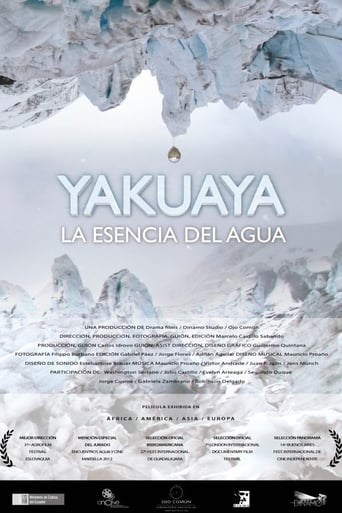
Yaku: water; aya: essence, blood. Yakuaya is a non-verbal documentary about the descent of water and life that follows the journey of a drop of water from its birth on a glacier until its arrival at the sea. Along the way, water influences the life of a peasant, locks himself in the rhythm of a bottling factory, brings people together in the city, transforms the life of a woman, leads a river navigator, awakens hope in a desert and welcomes the innocence of two children in the sea.
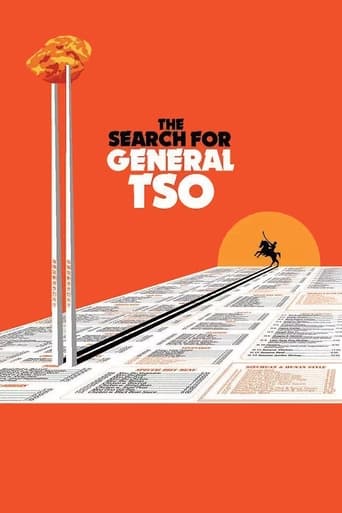
From New York City to the farmlands of the Midwest, there are 50,000 Chinese restaurants in the U.S., yet one dish in particular has conquered the American culinary landscape with a force befitting its military moniker—“General Tso’s Chicken.” But who was General Tso and how did this dish become so ubiquitous? Ian Cheney’s delightfully insightful documentary charts the history of Chinese Americans through the surprising origins of this sticky, sweet, just-spicy-enough dish that we’ve adopted as our own.