

Twinkl
Documentary
Overview
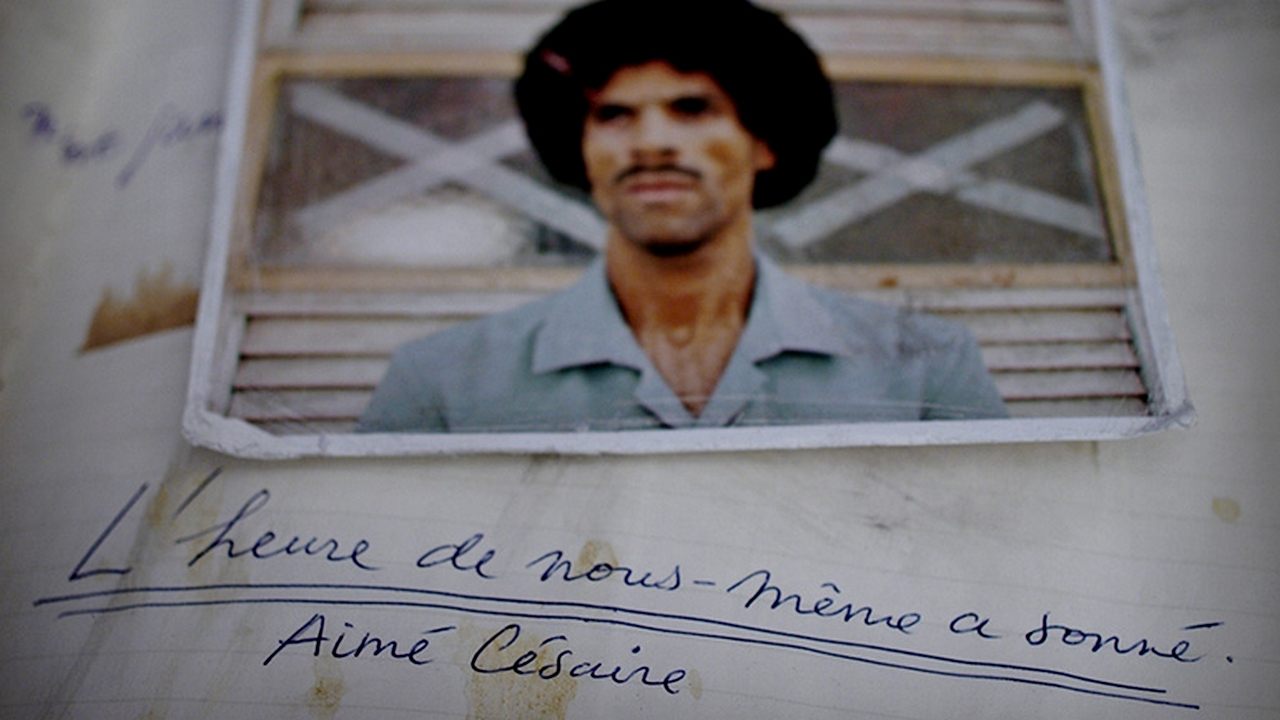
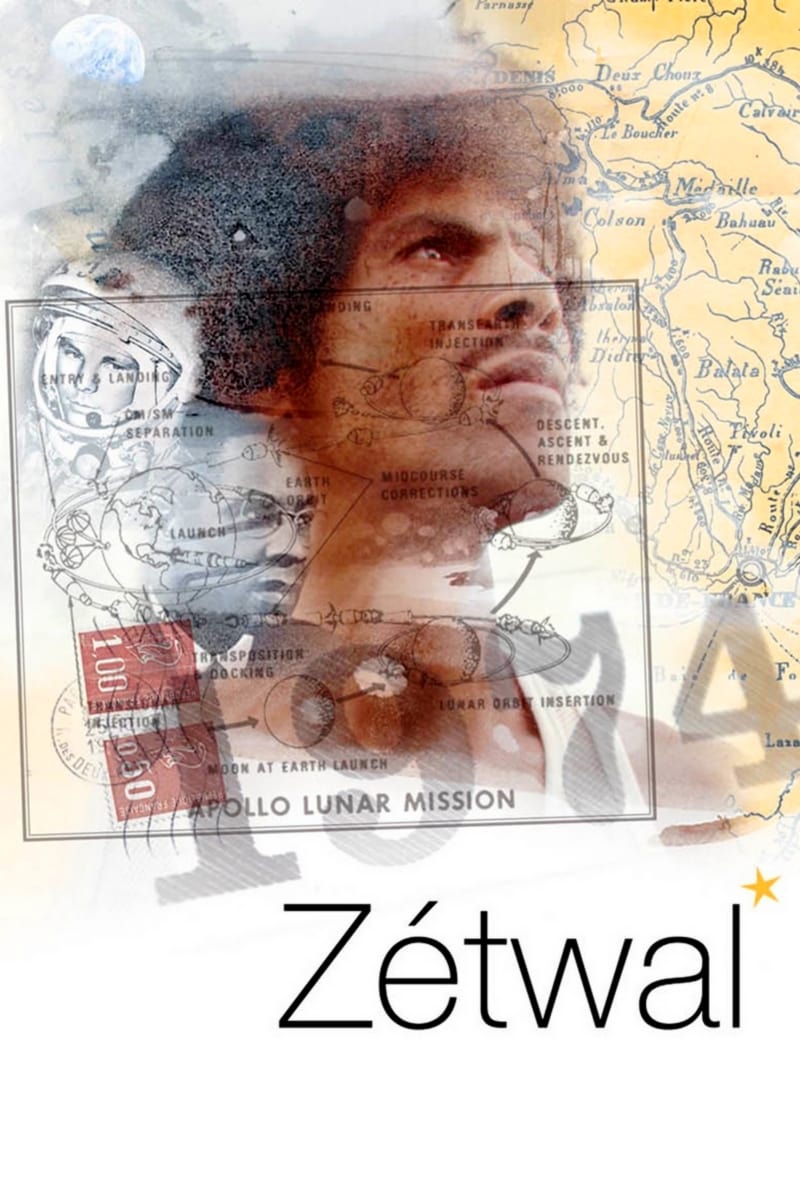
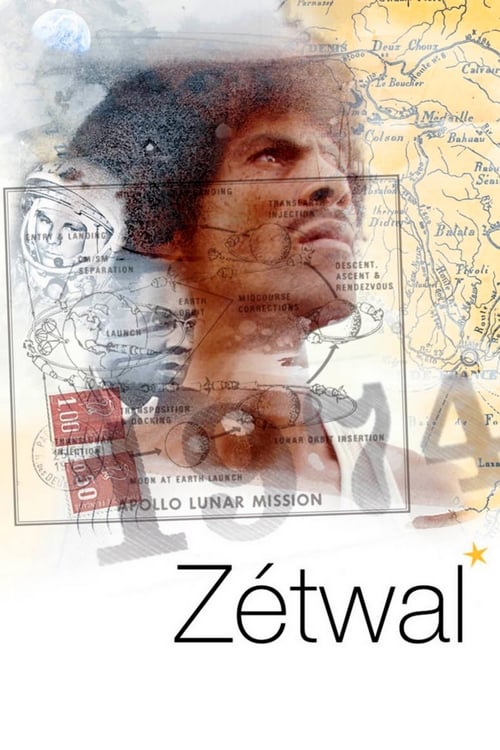
Martinique Island, 1974. Inspired by the writings of the Martiniquais poet and politician Aimé Césaire (1913-2008), the dreamer Robert Saint-Rose, known as Zétwall (Star in Creole), aspires to be the first Frenchman to step on the lunar surface.
Top Cast

Hugues Saint-Rose
Hugues Saint-Rose
Himself - R. Saint-Rose's Brother
Hugues Saint-Rose
Himself - R. Saint-Rose's Brother
Marcel Celat
Marcel Celat
Himself - R. Saint-Rose's Friend
Marcel Celat
Himself - R. Saint-Rose's Friend
J. C. William
J. C. William
Himself - Political Science Professor
J. C. William
Himself - Political Science Professor
Olivier Julysson
Olivier Julysson
Himself - Neighborhood Mediator
Olivier Julysson
Himself - Neighborhood Mediator
Ange Rémire
Ange Rémire
Himself - R. Saint-Rose's Friend
Ange Rémire
Himself - R. Saint-Rose's Friend
Delfonise T.
Delfonise T.
Herself - R. Saint-Rose's Ex-Friend
Delfonise T.
Herself - R. Saint-Rose's Ex-Friend
Arthur Régis
Arthur Régis
Himself - Retired Politician
Arthur Régis
Himself - Retired Politician
Claude Cayol
Claude Cayol
Himself - Retired Football Player
Claude Cayol
Himself - Retired Football Player
Yves Gamess
Yves Gamess
Himself - Retired Librarian
Yves Gamess
Himself - Retired Librarian
André Louri
André Louri
Himself - Retired Researcher
André Louri
Himself - Retired Researcher
Similar Movies
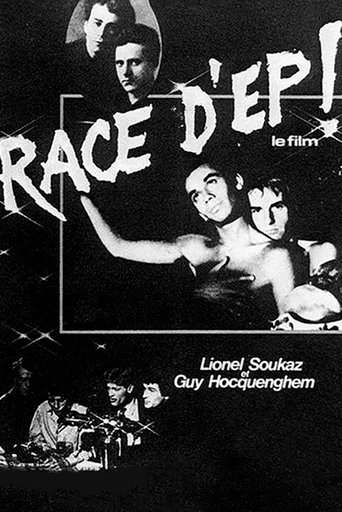
"Race d’Ep!" (which literally translates to "Breed of Faggots") was made by the “father of queer theory,” Guy Hocquenghem, in collaboration with radical queer filmmaker and provocateur Lionel Soukaz. The film traces the history of modern homosexuality through the twentieth century, from early sexology and the nudes of Baron von Gloeden to gay liberation and cruising on the streets of Paris. Influenced by the groundbreaking work of Michel Foucault on the history of sexuality and reflecting the revolutionary queer activism of its day, "Race d’Ep!" is a shockingly frank, sex-filled experimental documentary about gay culture emerging from the shadows.
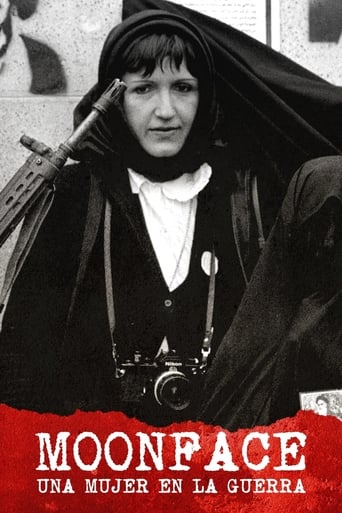
A walk through the life and career of the legendary French photojournalist Christine Spengler, known as Moonface, one of the few female war reporters in the seventies, also a writer and surrealist painter, who worked in Chad, Northern Ireland, Vietnam, Cambodia, Afghanistan, Lebanon, Iran, Iraq and other places where unfortunately war and death prevailed for years.
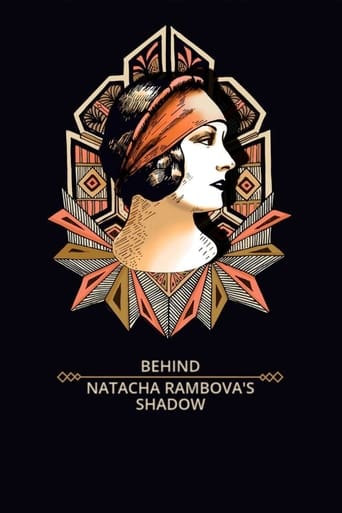
The adventurous life of Natacha Rambova (1897-1966), an American artist, born Winifred Kimball Shaughnessy, who reincarnated herself countless times: false Russian dancer, silent film actress, scenographer and costume designer, writer, spiritist, Egyptologist, indefatigable traveler, mysterious and curious; an amazing 20th century woman who created the myth of Rudolph Valentino.

On July 16, 1969, hundreds of thousands of spectators and an army of reporters gathered at Cape Kennedy to witness one of the great spectacles of the century: the launch of Apollo 11. Over the next few days, the world watched on with wonder and rapture as humankind prepared for its "one giant leap" onto the moon--and into history. Witness this incredible day, presented through stunning, remastered footage and interviews that takes you behind-the-scenes and inside the spacecraft, Mission Control, and the homes of the astronaut's families.
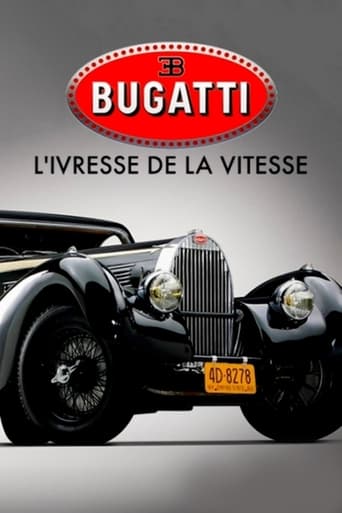
The story of the Bugattis of Milan and Molsheim, the eccentric family behind the brand: Carlo, the patriarch and furniture designer; Rembrandt, the troubled sculptor; Ettore, the gifted engineer; Jean, the unfortunate heir. Art and design. Beauty and luxury. The fastest cars. Races. The need for speed.
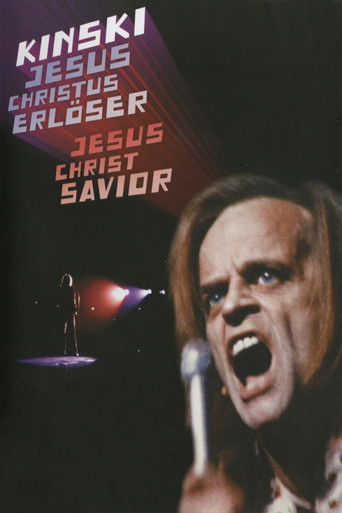
Klaus Kinski has perhaps the most ferocious reputation of all screen actors: his volatility was documented to electrifying effect in Werner Herzog’s 1999 portrait My Best Fiend. This documentary provides further fascinating insight into the talent and the tantrums of the great man. Beset by hecklers, Kinski tries to deliver an epic monologue about the life of Christ (with whom he perhaps identifies a little too closely). The performance becomes a stand-off, as Kinski fights for control of the crowd and alters the words to bait his tormentors. Indispensable for Kinski fans, and a riveting introduction for newcomers, this is a unique document, which Variety called ‘a time capsule of societal ideals and personal demons.’