

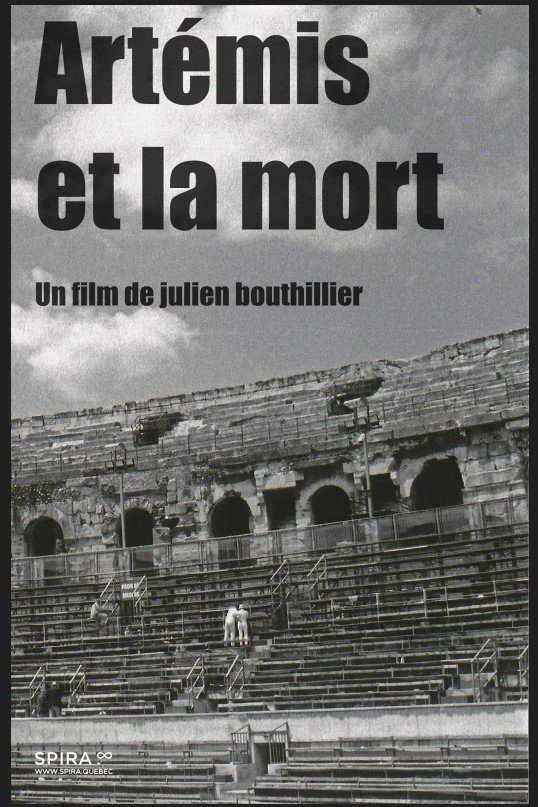
Artémis et la mort
Documentary
Overview
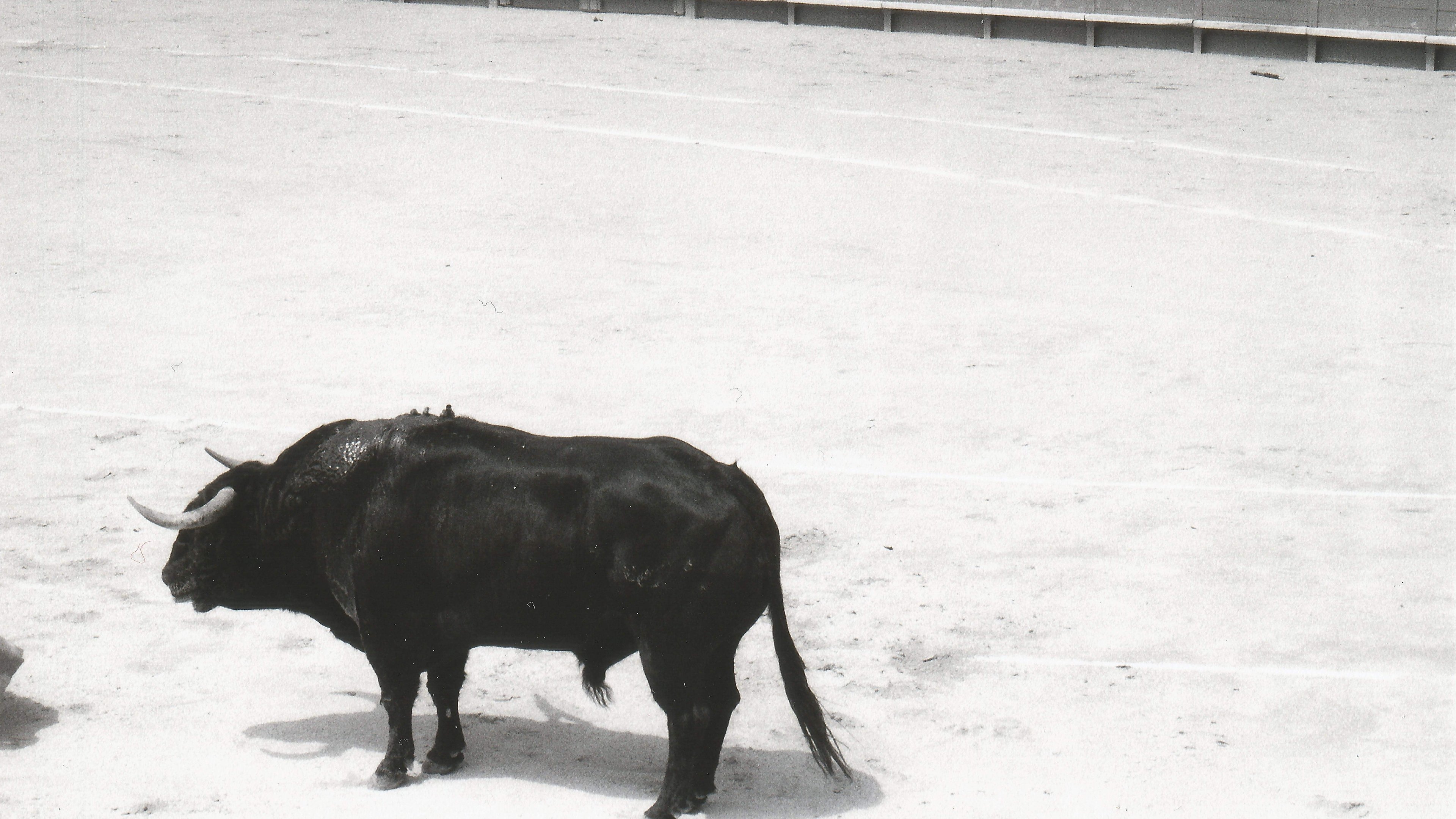
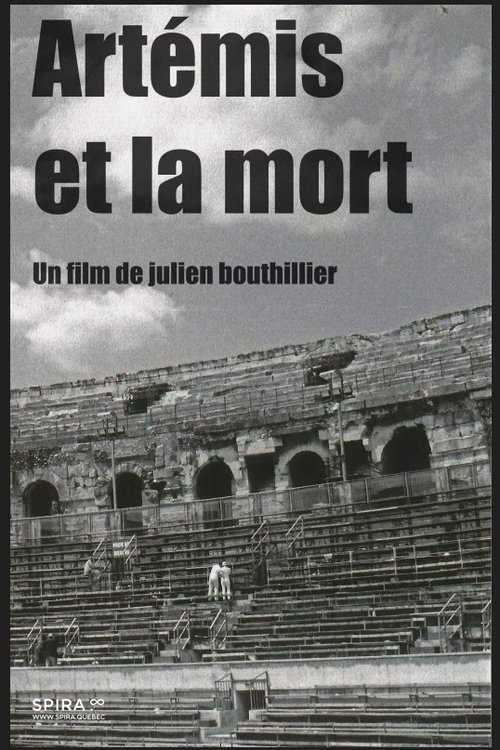
During the Feria of Nîmes, a bullfight is filmed from the perspective of the animal, relegating the matador and public to off-screen spectators. A ritual at the frontiers of mysticism, carried by the sacrificial figure of the bull, revealer of our humanity.



No cast information.
Similar Movies

The film tells a story of Kosynka, a pregnant mare, and her owner, a battered old man. Kosynka leads the “horse walker,” designed to train young horse to walk steadily and at a pace. Set to a soundtrack of Bach and Russian folk music, this film is another example of a parable-like narrative, which became more popular in Soviet documentary in the early 1970s.
24 hours at the Berlin traffic accident standby service. The frequency of accidents on the streets of the capital of the German Democratic Republic (GDR) becomes apparent, including inappropriate and increased speed, pedestrian errors, failure to give way and driving under the influence of alcohol. Major Busse, the head of the Berlin Traffic Accident Investigation Unit, raises the question of whether the GDR has developed its own kind of driving. The camera provides interesting insights into the carelessness and aggressiveness of road users, which can lead to serious injuries and deaths
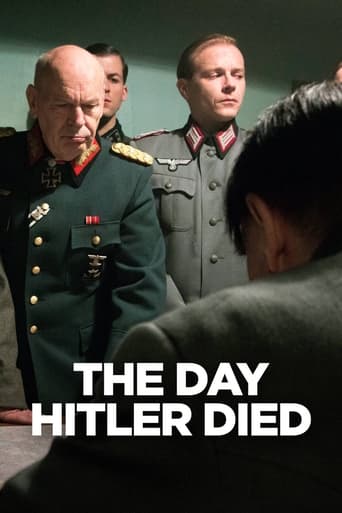
The story of Hitler’s final hours told by people who were there. This special features exclusive forgotten interviews, believed lost for 65 years, with members of Hitler’s inner circle who were trapped with him in his bunker as the Russians fought to take Berlin. These unique interviews from figures such as the leader of the Hitler Youth Artur Axmann and Hitler’s secretary Traudl Junge, have never before been seen outside Germany. Using rarely seen archive footage and dramatic reconstruction, this special tells the story of Adolf Hitler’s final days in his Berlin bunker.
This poetic core in youngsters is also touched in Stanukina's less known Your very personal poetry (Свои, совсем особые стихи, 1982), a wonderful film about a poetry class. It is here that one recalls Kogan's admiration of Lyalya's emotional documentary skills. And it is here that one recalls Kosakovsky's depiction of Lyalya as a person of extraordinarily prosperous feelings, sensitive and energetic, childish and female, shrill and quiet. The young poets are marvellously sneaky, respectfully adoring and creatively playing with - maybe even deconstructing - "Aleksandr Sergeevich", Mr. Pushkin, Russia's exclusive trade mark of high culture and literature.
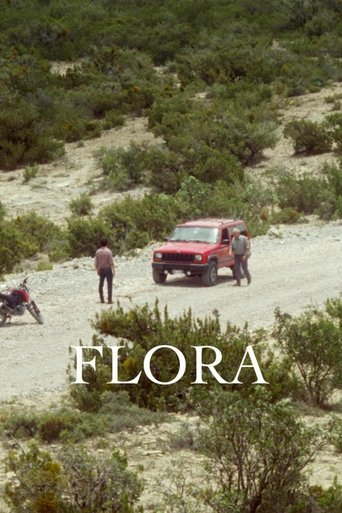
A metacinematic reflection on the nature of representation and the ongoing drug war in Mexico, Nicolás Pereda’s Flora revisits locations and scenes from the mainstream 2010 narco-comedy El Infierno, exploring the paradoxes of depicting narco-trafficking on film—its tendency both to romanticize and to obscure. To screen is both to project and to conceal.