

E Haku Inoa: To Weave a Name
Documentary
Overview
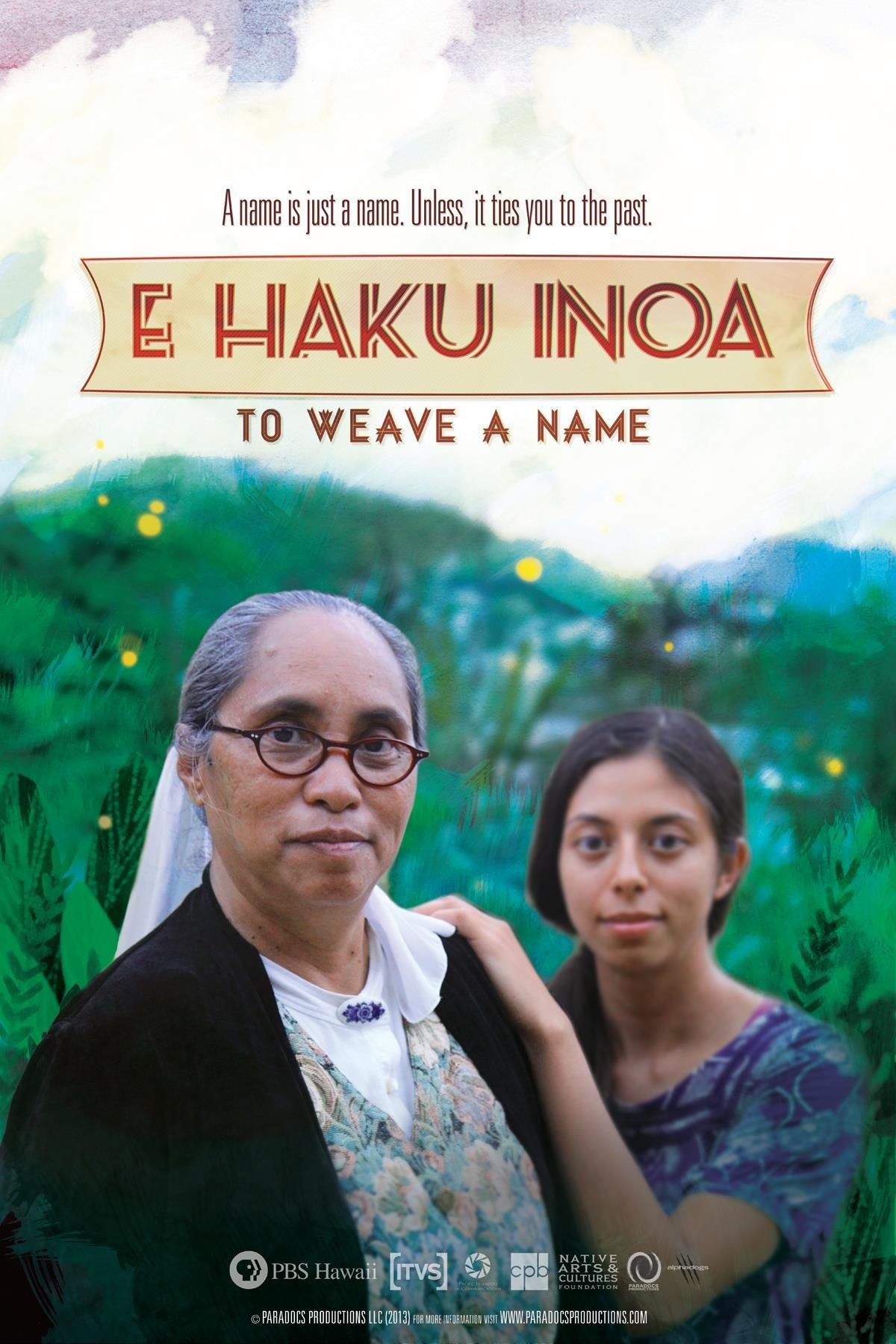
A mother and daughter, estranged by divorce and mental health issues, reconnect through patience, understanding, and their a shared appreciation of their Native Hawaiian heritage.





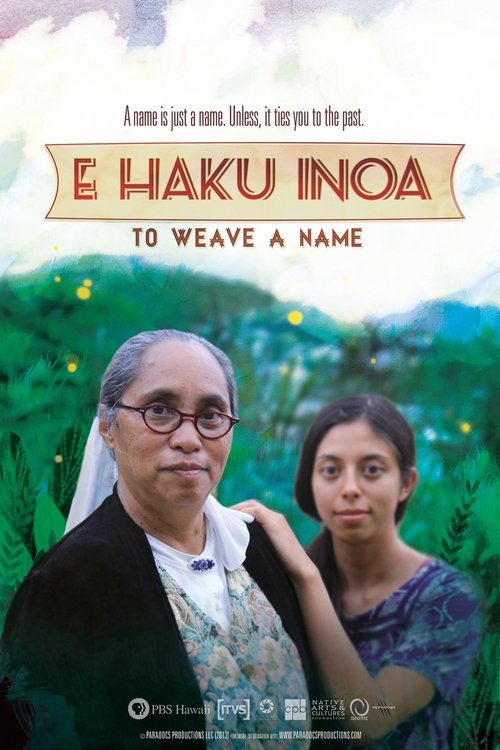

Christen Hepuakoamana'a Marquez
Christen Hepuakoamana'a Marquez
Self
Christen Hepuakoamana'a Marquez
Self
Similar Movies
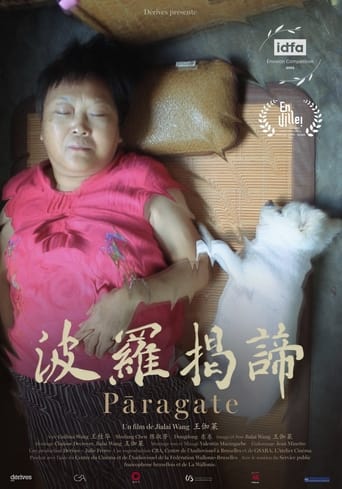
From Belgium, Jialai Wang maintains contact via smartphone and camera with her mother and grandmother in China. When her grandmother’s health deteriorates, Jialai returns to Shanghai, but when she arrives, her grandmother has already died, and she is left alone with her mother. A devout Buddhist, her mother seems to pay more attention to her daily prayers, Maoist past and dog Dongdong than she does to her daughter. She herself had been abandoned as a child by her own mother, when she divorced Jialai’s grandfather and moved to the city.
Slow Southern Steel is a film about heavy music in the modern American South, as told by the very people who have created this music during the last two decades. Shot in back alleys, parking lots, and the seedy green rooms of the dirtiest clubs that the Bible Belt failed to snuff out, these diehard musicians discuss their love of music and the south, as well as the difficulties, contradictions, and insanity that haunt every southern artist. There are no illusions here, no apologies, no distractions - only the straight truth as told by those who would know the difference. Narrated by the notorious Dixie Dave Collins (Weedeater, Buzzov-en, Bongzilla), Slow Southern Steel is an authentic and honest and thorough look at one of the most remarkable music communities ever spawned on the continent.
A different perspective on the exile and social impact of major projects such as oil sands mining in Alberta, Canada. These large-scale projects, based on economic growth, also have human costs that change the cultural face of the regions on a small or large scale. Over a six-month period, three families from the Acadian Peninsula in New Brunswick opened their doors and hearts to director Renée Blanchar and her team. A film about exile, choice of life, values, but especially absence; absence being probably the highest price to pay for each member of these families.
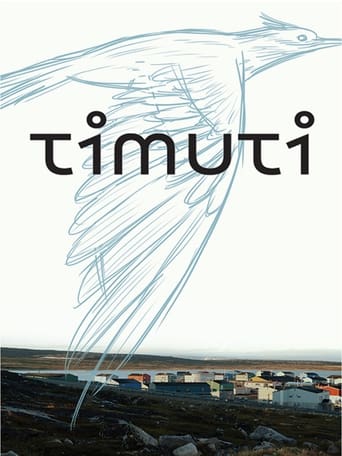
In this short film, artist Jobie Weetaluktuk turns his gaze on his family and the power of ritual through the story of a young woman and her unplanned child. In Inukjuak, an Inuit community in the Eastern Arctic, a baby boy has come into the world and they call him Timuti, a name that recurs across generations of his people, evoking other Timutis, alive and dead, who will nourish his spirit and shape his destiny.

This film portrays Hawaii as a multifaceted American territory, far more than just a tourist destination with picturesque beaches and palm trees. It describes Hawaii as a group of volcanic islands in the Pacific, serving as a crucial crossroads for shipping and air travel between North America, Asia, and Australia. The film highlights Hawaii's fertile soil, conducive to agriculture, with major crops being sugar cane and pineapples, cultivated historically by a significant Asian workforce. Cities like Honolulu are presented as modern, diverse urban centers blending various cultures, including the native Hawaiian heritage. The film also notes Hawaii's strategic importance, with historical sites like Pearl Harbor, emphasizing its unique combination of cultural richness, economic vitality, and historical significance.