

Endless Night
Drama · History
Overview
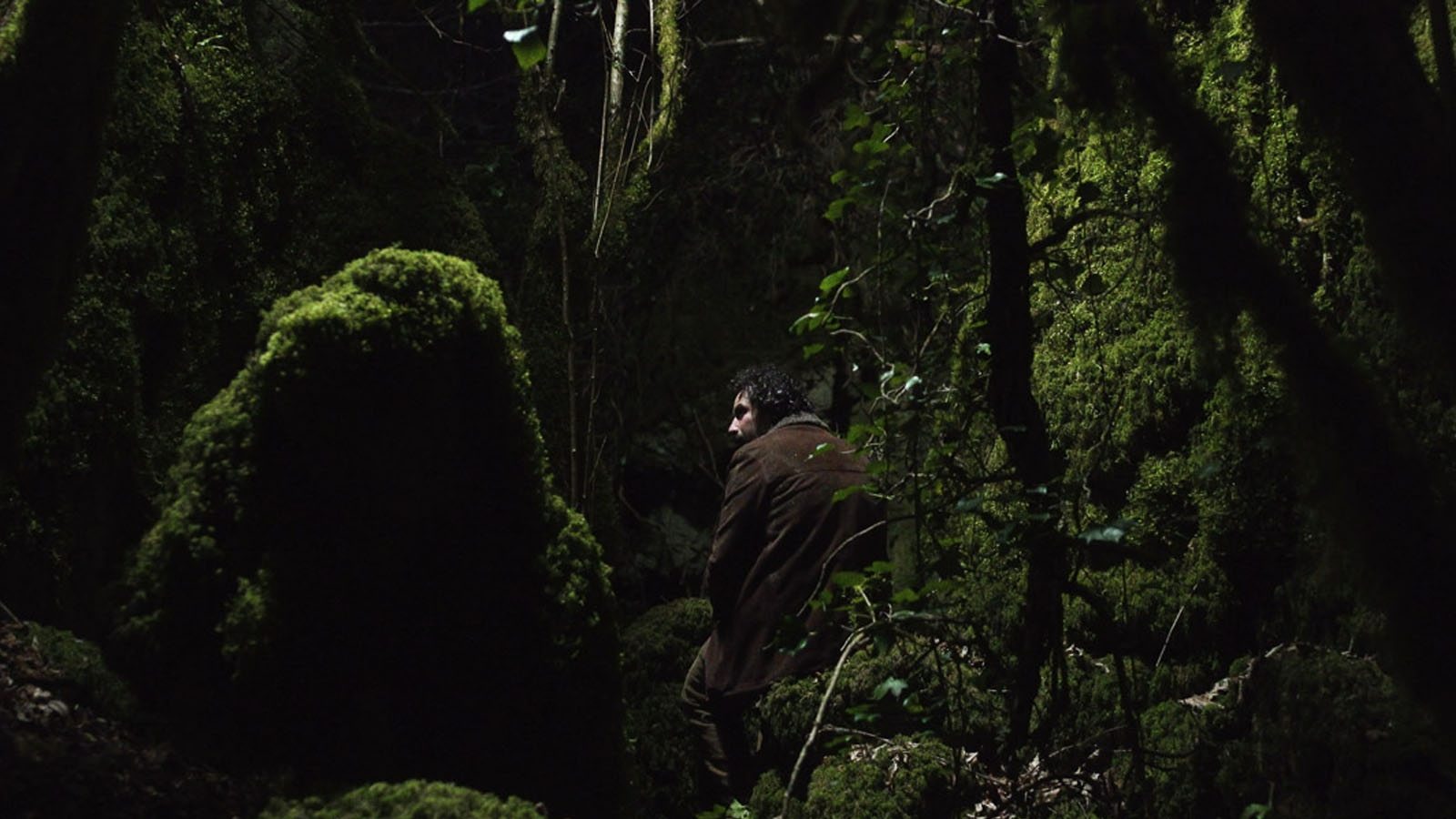
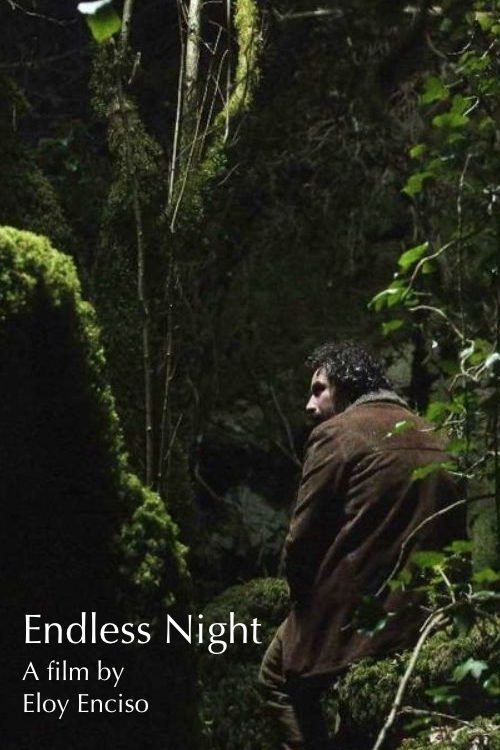
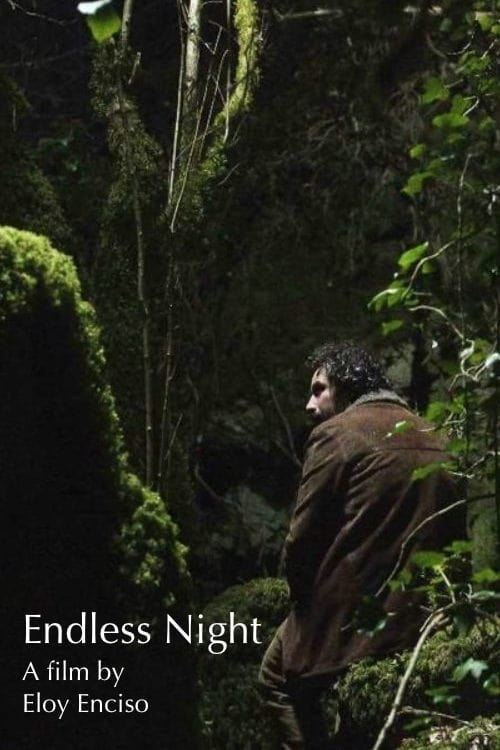
Anxo returns to his home village in the Galician countryside. There, he is greeted with concern by the victorious and the defeated, who see in him the danger of diving back into their silenced memories.
Top Cast

Misha Bies Golas
Misha Bies Golas
O Retornado
Misha Bies Golas
O Retornado
Nuria Lestegás
Nuria Lestegás
Celsa
Nuria Lestegás
Celsa
M. Pozas Vázquez
M. Pozas Vázquez
M. Pozas Vázquez
Manuel Pumares
Manuel Pumares
Home Pobre
Manuel Pumares
Home Pobre
Celsa Araujo
Celsa Araujo
Celsa Araujo
Suso Meilan
Suso Meilan
Suso Meilan
Verónica Quintana
Verónica Quintana
Verónica Quintana
Similar Movies
The amazing story of Cifesa, a mythical film production company founded in Valencia by the Casanova family that managed to dominate the box office during the turbulent times of the Second Spanish Republic, the carnage of the Civil War and the hardships of the long post-war period and Franco's dictatorship — and survive until the sixties, when Spain was timidly beginning to change.
Arising out of the horror of the Spanish Civil War, a candidate for canonization is investigated by a journalist who discovers his own estranged father had a deep, dark and devastating connection to the saint's life.While researching the life of Josemaria Escriva, the controversial founder of Opus Dei, the young journalist Robert uncovers hidden stories of his estranged father Manolo, and is taken on a journey through the dark, terrible secrets of his family’s past.
Thirteen-year-old Ramon is on the verge of many adolescent discoveries -- and the confusion that goes along with them. Shy and awkward, he's moved from town to town throughout his childhood and believes that life is about winning and losing. But he soon learns it's all about survival. Like Ramon, Spain is in transition (President Francisco Franco is about to die); it's a time of social upheaval marked by change, illusion and struggle.
The film centres on Moncho and his coming-of-age experience in Galicia in 1936. Moncho develops a close relationship with his teacher Don Gregorio who introduces the boy to different things in the world. While the story centres on Moncho's ordinary coming-of-age experiences, tensions related to the looming Spanish Civil War periodically interrupt Moncho's personal growth and daily life.
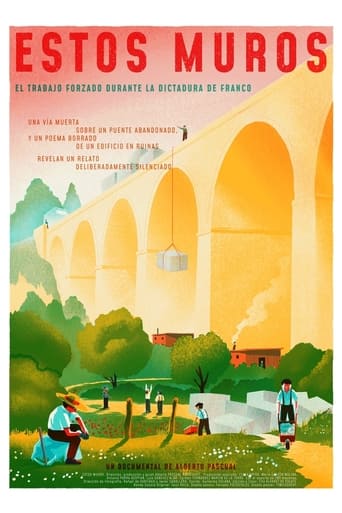
In the mountains of Madrid, Spain, a railway track on an abandoned bridge and a poem erased from the wall of a ruined building reveal a deliberately silenced story: the system established by Franco's dictatorship after the civil war (1936-39) that allowed hundreds of companies to use thousands of convicted Republicans as slave labor.
At the end of the Spanish civil war, Fando, a boy of about ten, tries to make sense of war and his father's arrest. His mother is religious, sympathetic to the Fascists; his father is accused of being a Red. Fando discovers that his mother may have aided in his father's arrest. Sometimes we witness Fando imagining explanations for what's going on; sometimes we see him at play, alone or with his friend Thérèse. Oedipal fantasies and a lad's natural curiosity about sex and death mix with his search for his mother's nature and his father's fate. Will Fando survive the search?
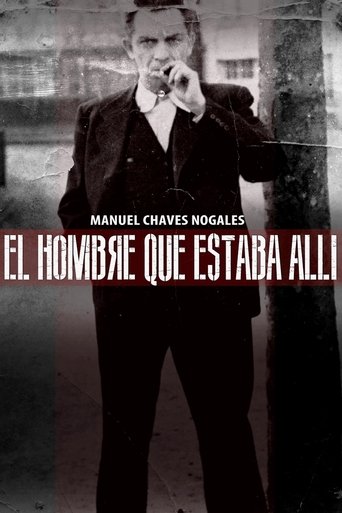
The Spanish journalist Manuel Chaves Nogales (1897-1944) was always there where the news broke out: in the fratricidal Spain of 1936, in Bolshevik Russia, in Fascist Italy, in Nazi Germany, in occupied Paris or in the bombed London of World War II; because his job was to walk, see and tell stories, and thus fight against tyrants, at a time when it was necessary to take sides in order not to be left alone; but he, a man of integrity to the bitter end, never did so.
David Carr is a British Communist who is unemployed. In 1936, when the Spanish Civil War begins, he decides to fight for the Republican side, a coalition of liberals, communists and anarchists, so he joins the POUM militia and witnesses firsthand the betrayal of the Spanish revolution by Stalin's followers and Moscow's orders.
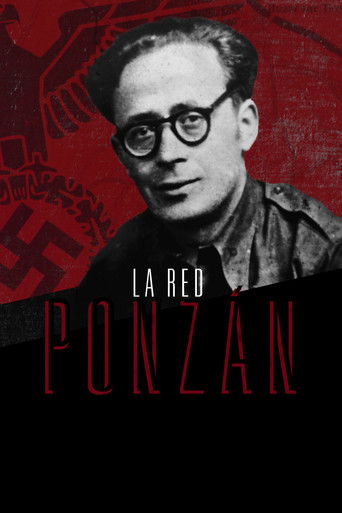
During the Spanish Civil War (1936-1939) and the Second World War (1939-1945), around three thousand people managed to elude their pursuers, and probably also avoided being killed, thanks to the heroic and very efficient efforts of the Ponzán Team, a brave group of people — mountain guides, forgers, safe house keepers and many others —, led by Francisco Ponzán Vidal, who managed to save their lives, both on one side and the other of the border between Spain and France.