

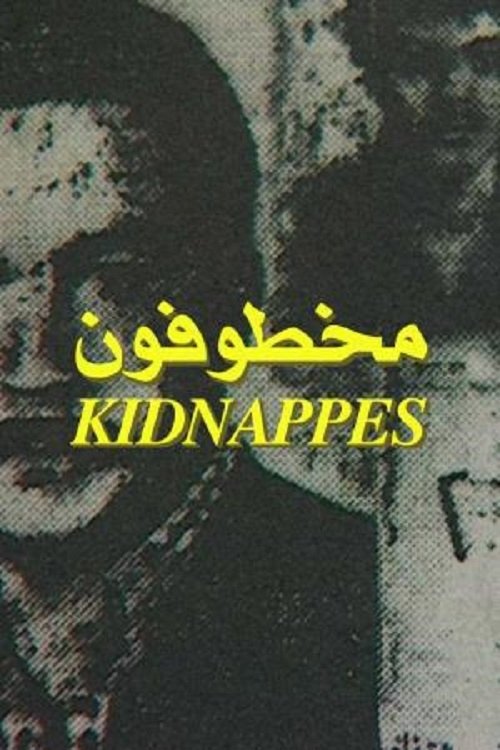
Kidnapped
Documentary · War
Overview
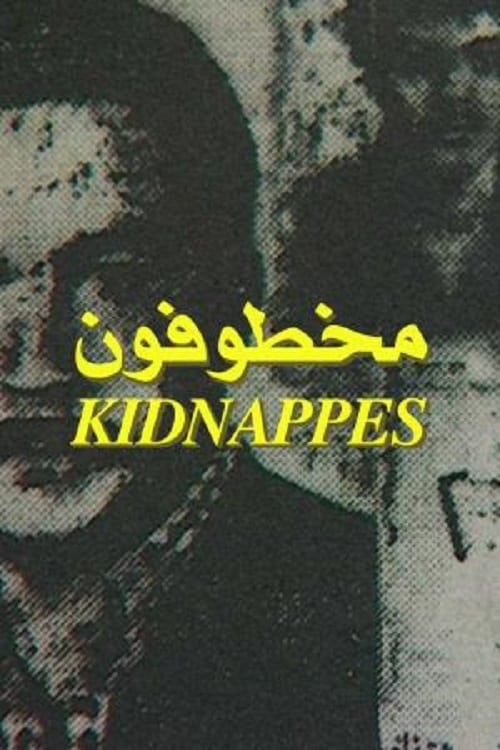
“Al Makhtufun” won the 1998 Best Short Documentary Film Award at the Mediterranean Film Festival for highlighting the issue of abducted Lebanese. The film raises two major issues: The abductee’s physical absence and his spiritual presence among his family members, and the parents silently wishing his return. The documentary looks at documents kept by Wadad, a mother who decides to step outside her comfort zone and share her papers and forms when other parents would not.



No cast information.
Similar Movies

‘Objects of War’ is a series of testimonials on the Lebanese war. Each person chooses an object, ordinary or unusual, which serves as a starting point for his / her story. These testimonials while helping to create a collective memory, also show the impossibility of telling a single History of this war. Only fragments of this History are recounted here, held as truth by those expressing them. In ‘Objects of War’, the aim is not to reveal a truth but rather to gather and confront many diverse versions and discourses on the subject. ‘Objects of War’ started in 1999 assembling the testimonials of eleven persons. It was first shown in 2000 . It continued in 2003 with ‘Objects of War n°2’, recording seven additional testimonials. This time however, and since then, the recorded material is left unedited, shown in its integrity. The work of collecting and assembling these stories continued with ‘Objects of War n°3 & n°4’ in 2006 and ‘n°5 & 6’ in 2014.
A mother's last wishes send twins Jeanne and Simon on a journey to Middle East in search of their tangled roots. Adapted from Wajdi Mouawad's acclaimed play, Incendies tells the powerful and moving tale of two young adults' voyage to the core of deep-rooted hatred, never-ending wars and enduring love.
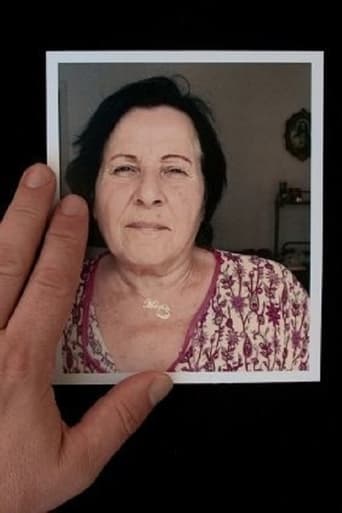
Severely battered from the Beirut Port Explosion on August 4th, Minerva passed away eight days later. Her son Joseph, while still grieving for his loss, sunk into a long and absurd bureaucratic path through the inept system that disowned his mother as a victim of the blast. Minerva is gone. The explosion has snatched her soul, and the city walls have not yet recognized her as a martyr. There is no poster of her smiling face among those of the victims. Their faces are memories that will haunt us for the rest of our lives. Perhaps her son, devastated by her passing, seeks to etch her image into the city's memory. Perhaps he is seeking some confession to the crime. This is a place that casts out its children, whether dead or alive.

Beirut, Lebanon's capital has a long history of political and social unrest that still makes headlines today. Globe Trekker's Beirut City Guide captures the city in more optimistic days, two weeks before the latest outbreak of hostilities in Lebanon between Israeli and Hezbollah forces in July 2006. Globe Trekker Megan McCormick explores the neighborhoods of Basta, Solidere, Gemayze and the Hezbollah District and finds a city in the midst of regeneration. She gets a glimpse at Beirut's future when meeting up with a group of young Arabic hip hop artists, who are eager to live in peace and put the country's political troubles in the past.

In an unprecedented and candid series of interviews, six former heads of the Shin Bet — Israel's intelligence and security agency — speak about their role in Israel's decades-long counterterrorism campaign, discussing their controversial methods and whether the ends ultimately justify the means.
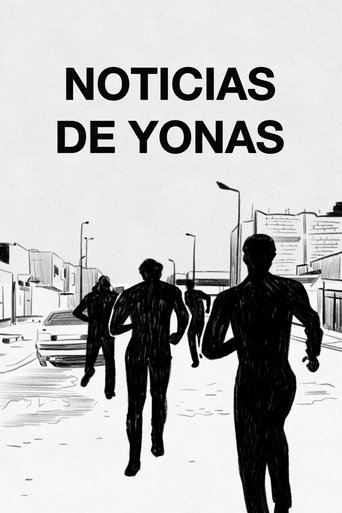
A cell phone was the only thing that kept Yonas, an Eritrean refugee, connected to Jérôme, the French journalist who wanted to tell his story. They met in Libya in 2019, in the abyss of a detention center. Yonas managed to escape and attempted several times to cross the Mediterranean. Like many others who jump from one hell to another, Yonas's only option was to flee forward, and what lay before him was a small boat. Yonas's News chronicles the epic journey in which his life was at stake, summarized in the WhatsApp and voice messages, photos, and videos he was able to exchange with Jérôme. Jérôme Tubiana, journalist, researcher, and member of Doctors Without Borders, has visited Libya five times between 2018 and 2020.