

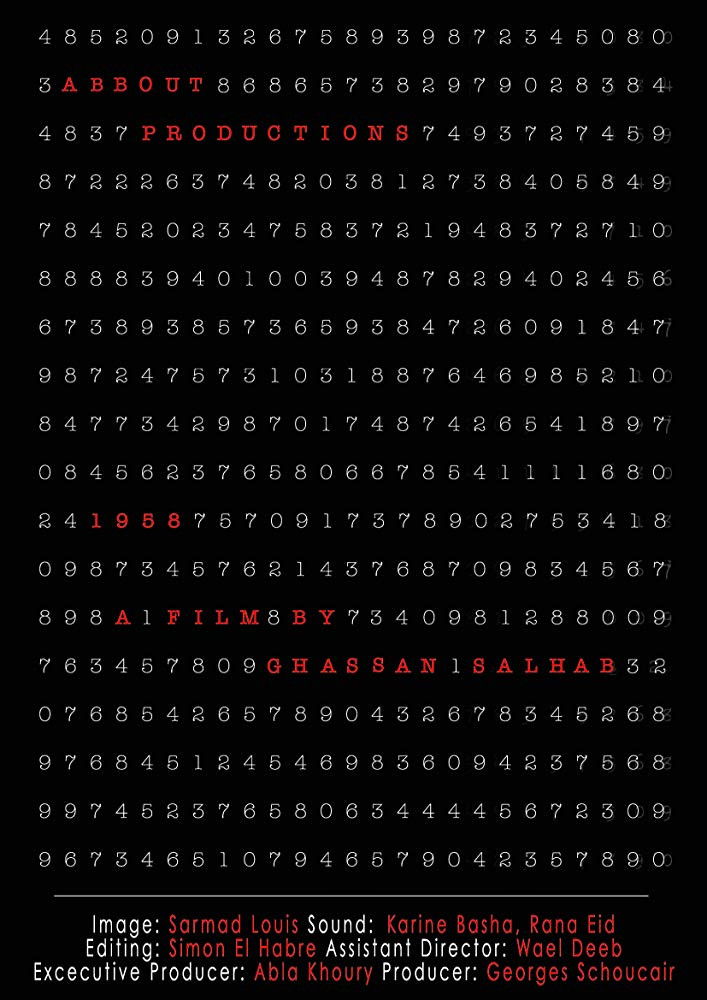
1958
Documentary
Overview
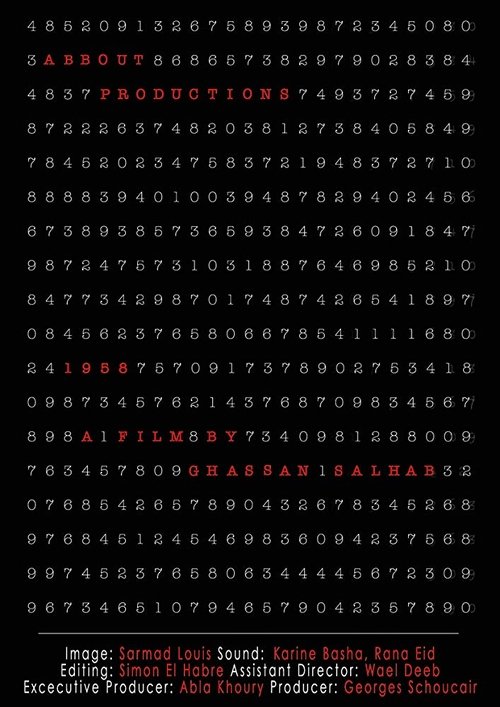
In 1958, in Senegal, land of emigration, Zahia Salhab gave birth to her first child Ghassan. During the same period, Lebanon, their homeland, is driven into a significant local conflict, a preamble to the next civil war.

No cast information.
Similar Movies
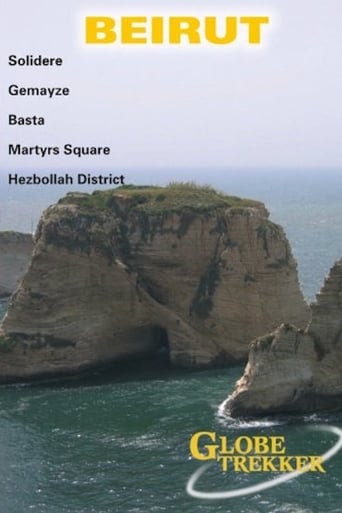
Beirut, Lebanon's capital has a long history of political and social unrest that still makes headlines today. Globe Trekker's Beirut City Guide captures the city in more optimistic days, two weeks before the latest outbreak of hostilities in Lebanon between Israeli and Hezbollah forces in July 2006. Globe Trekker Megan McCormick explores the neighborhoods of Basta, Solidere, Gemayze and the Hezbollah District and finds a city in the midst of regeneration. She gets a glimpse at Beirut's future when meeting up with a group of young Arabic hip hop artists, who are eager to live in peace and put the country's political troubles in the past.
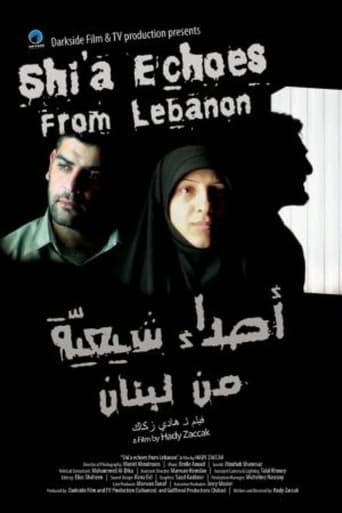
This political documentary by Hady Zaccak delves into the world of Lebanese Shiites through interviews with three Shiite youths, each with a different political and ideological affiliation, in addition to a very valuable interview with late Shiite cleric Sayyed Hani Fahs. The documentary explores the Shiites’ relation to Beirut’s Dahiyeh suburb, a Shiite stronghold, as well as the difference between the political and social perspectives of these youths.
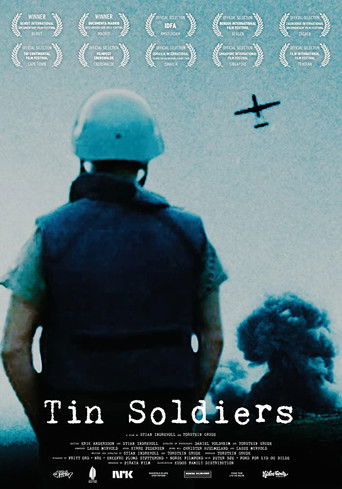
A group of young UN soldiers in Lebanon enters service with pro-Israeli views and a naive outlook on war. They go through a radical change of heart as they witness and film the Qana massacre. They secure video evidence indicating that Israel deliberately bombed a UN camp killing 106 refugees.
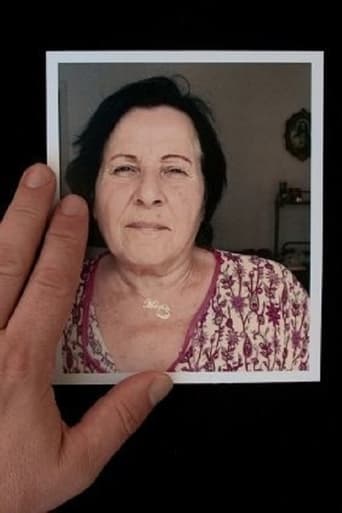
Severely battered from the Beirut Port Explosion on August 4th, Minerva passed away eight days later. Her son Joseph, while still grieving for his loss, sunk into a long and absurd bureaucratic path through the inept system that disowned his mother as a victim of the blast. Minerva is gone. The explosion has snatched her soul, and the city walls have not yet recognized her as a martyr. There is no poster of her smiling face among those of the victims. Their faces are memories that will haunt us for the rest of our lives. Perhaps her son, devastated by her passing, seeks to etch her image into the city's memory. Perhaps he is seeking some confession to the crime. This is a place that casts out its children, whether dead or alive.
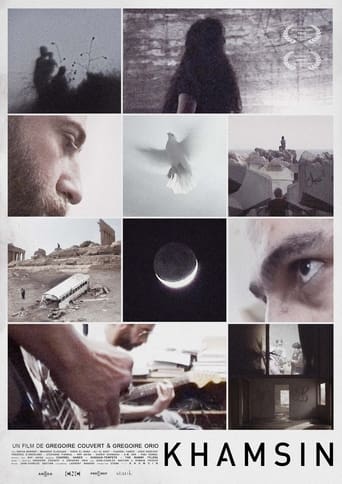
Lebanon today. The traces of the civil war are all too tangible as government corruption becomes unbearable. In a country where conflict and peace are caught in an endless cycle, musicians from different backgrounds pool their talents to create an underground music scene. Each evokes his or her representation of Lebanon: its shifting geographical, political, historical and social borders, its painful passage through conflict and instability. A touching portrait of a young generation trying to build an oasis in a hostile environment where the forces of destruction continue to wreak havoc.
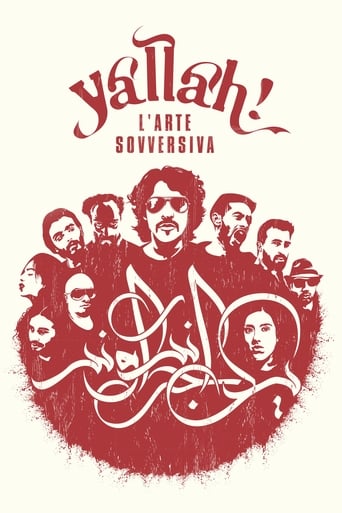
Yallah! Underground follows some of today’s most influential and progressive artists in Arab underground culture from 2009 to 2013 and documents their work, dreams and fears in a time of great change for Arab societies. In a region full of tension, young Arab artists in the Middle East have struggled for years to express themselves freely and to promote more liberal attitudes within their societies. During the Arab Spring, like many others of this new generation, local artists had high hopes for the future and took part in the protests. However, after years of turmoil and instability, young Arabs now have to challenge both old and new problems, being torn between feelings of disillusion and a vague hope for a better future.