

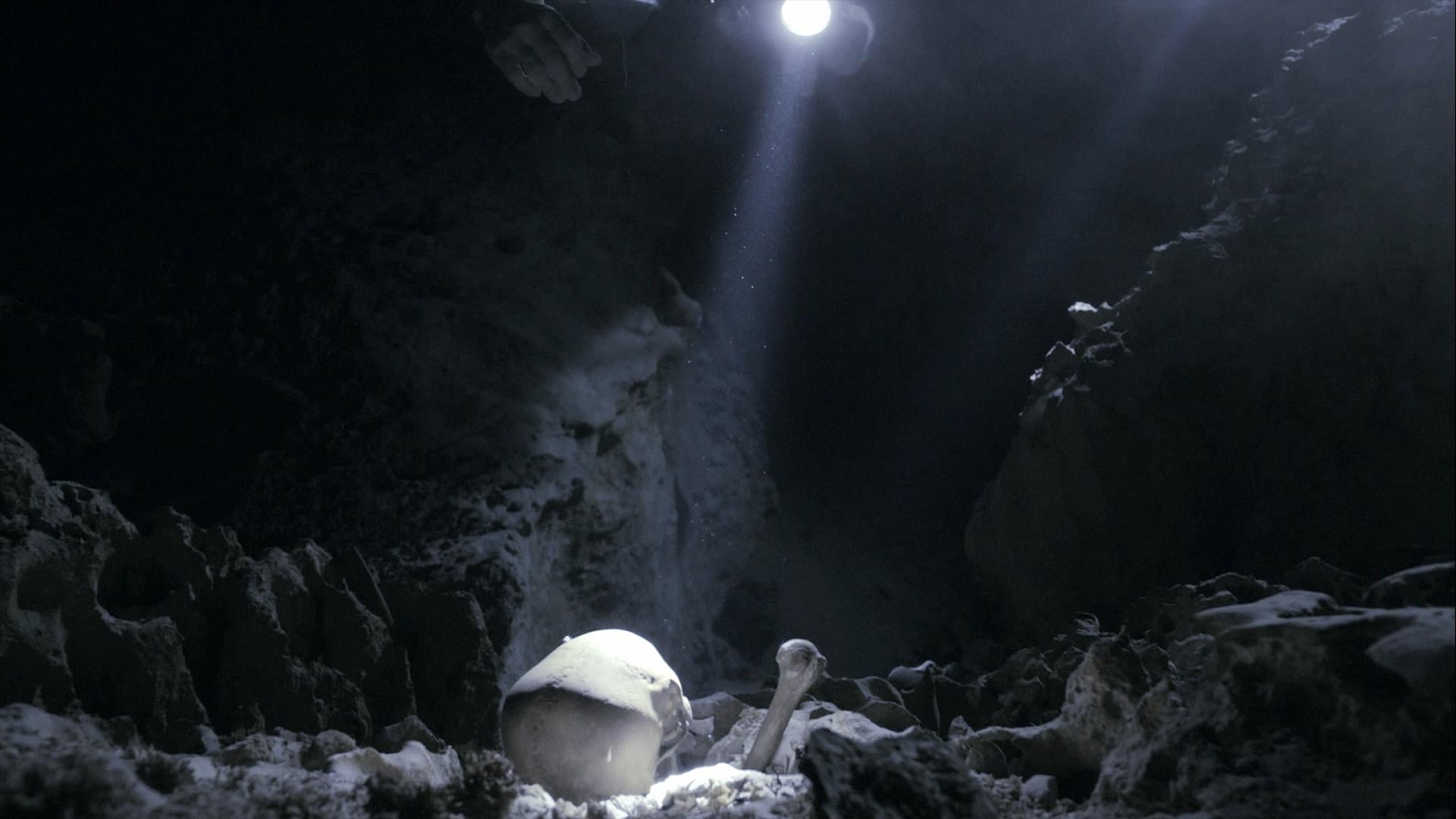

NOVA: First Face of America
Documentary · History
Overview
During risky expeditions in an underwater cave in Mexico, scientists unearth the skeleton of a 13,000-year-old prehistoric teenager to gain insight into the earliest known humans in America.
Top Cast









Jay O. Sanders
Jay O. Sanders
Narrator (voice)
Jay O. Sanders
Narrator (voice)
Similar Movies
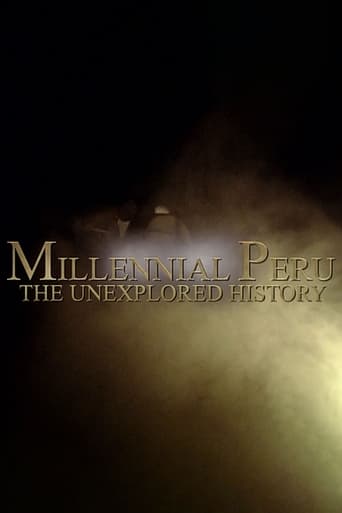
In the Formative Period 4,000 years before the Incas and the arrival of the Conquistadors, Peru’s earliest civilizations - the Chavín, Caral, Ventarrón, Sechin, Cupisnique, and Cajamarca cultures - built centers of learning and technological achievements, including the largest work of hydrological engineering in the ancient Americas: the Cumbemayo canals.
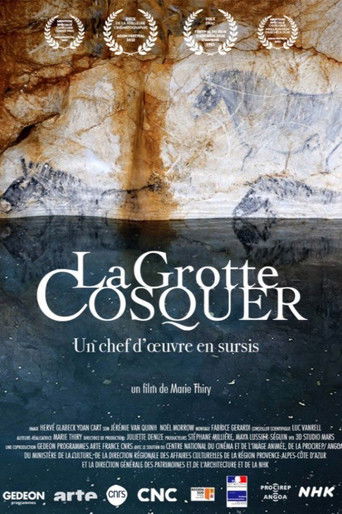
A short distance from Marseille, at Cape Morgiou, in the depths of the Calanques massif, lies the Cosquer cave, discovered only about thirty years ago by a diver, Henri Cosquer. With its bestiary of hundreds of paintings and engravings - horses, bison, jellyfish, penguins - the only underwater decorated cave in the world allows us to learn a little more about Mediterranean societies 30,000 years ago. Today, threatened by rising water levels accelerated by global warming, this jewel of the Upper Paleolithic is in danger of being swallowed up. To save the cave from disappearing, the Ministry of Culture has chosen to digitize it. From this virtual duplicate, a replica has been made on the surface to offer the public a reconstruction that allows them to admire these masterpieces.

By decoding ancient hieroglyphic texts, Jean-François Champollion gave voice to an enigmatic civilization, but behind his legendary feat is a mysterious brother who made it possible. The recent discovery of correspondence between Jean-François Champollion and his brother Jacques-Joseph now allows us to fully understand how a young, self-taught genius was able to make one of the most important discoveries of the 19th century. Without the ingenuity and unfailing support of his older brother, Jean-François would never have succeeded in solving this enigma, which had international repercussions. With animated sequences of their private correspondence, and with the help of archives and expert analysis, this film revisits this unique scientific, human and intellectual adventure to celebrate the bicentenary of the decoding of hieroglyphics.
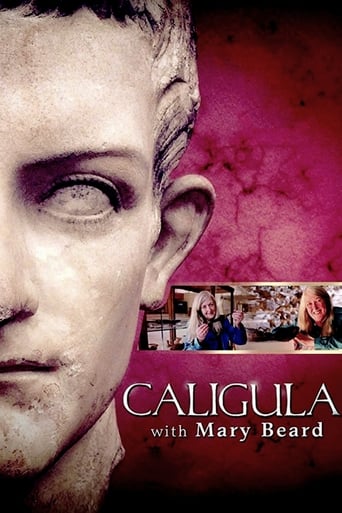
What is true and what is false in the hideous stories spread about the controversial figure of the Roman emperor Gaius Julius Caesar Augustus Germanicus (12-41), nicknamed Caligula? Professor Mary Beard explains what is accurate and what is mythical in the historical accounts that portray him as an unbalanced despot. Was he a sadistic tyrant, as Roman historians have told, or perhaps the truth about him was manipulated because of political interests?
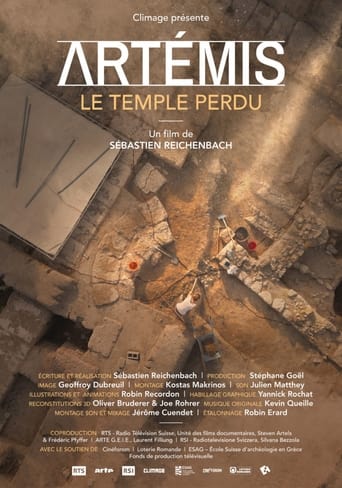
The location of the sanctuary of Artemis at Amarynthos has long remained one of the last great archaeological enigmas of Ancient Greece. This vast Artemision is mentioned in several ancient texts, which even go so far as to specify the distance that separates the sanctuary from the ancient city of Eretria. But despite the efforts of numerous scientific expeditions since the end of the 19th century, no trace of the sanctuary or its temple has ever been found. In the 1960s, a young archaeologist - Denis Knoepfler - set out in search of the lost temple of Artemis. His investigations soon led him into the hinterland of the island of Euboea, well beyond the limits of previous expeditions. It would take five decades of searching, unshakeable faith and moving tons of earth to finally unravel the mystery. In 2017, a tenacious Swiss-Greek team of archaeologists formally identified the sanctuary of Artemis, where Denis Knoepfler had predicted it lay buried.
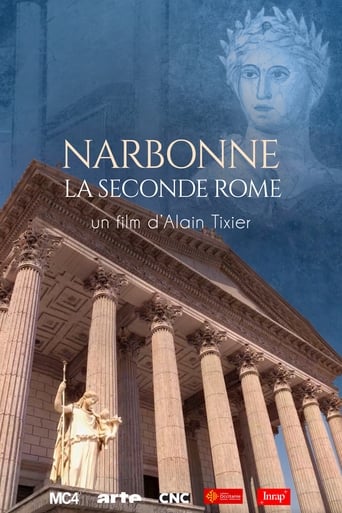
More than 2.000 years ago, Narbonne in today's Département Aude was the capital of a huge Roman province in Southern Gaul - Gallia Narbonensis. It was the second most important Roman port in the western Mediterranean and the town was one of the most important commercial hubs between the colonies and the Roman Empire, thus the town could boast a size rivaling that of the city that had established it: Rome itself. Paradoxically, the town that distinguished itself for its impressive architecture, today shows no more signs of it: neither temples, arenas, nor theaters. Far less significant Roman towns like Nîmes or Arles are full of ancient sites. Narbonne today is a tranquil town in Occitania