

Accept
Documentary
Overview
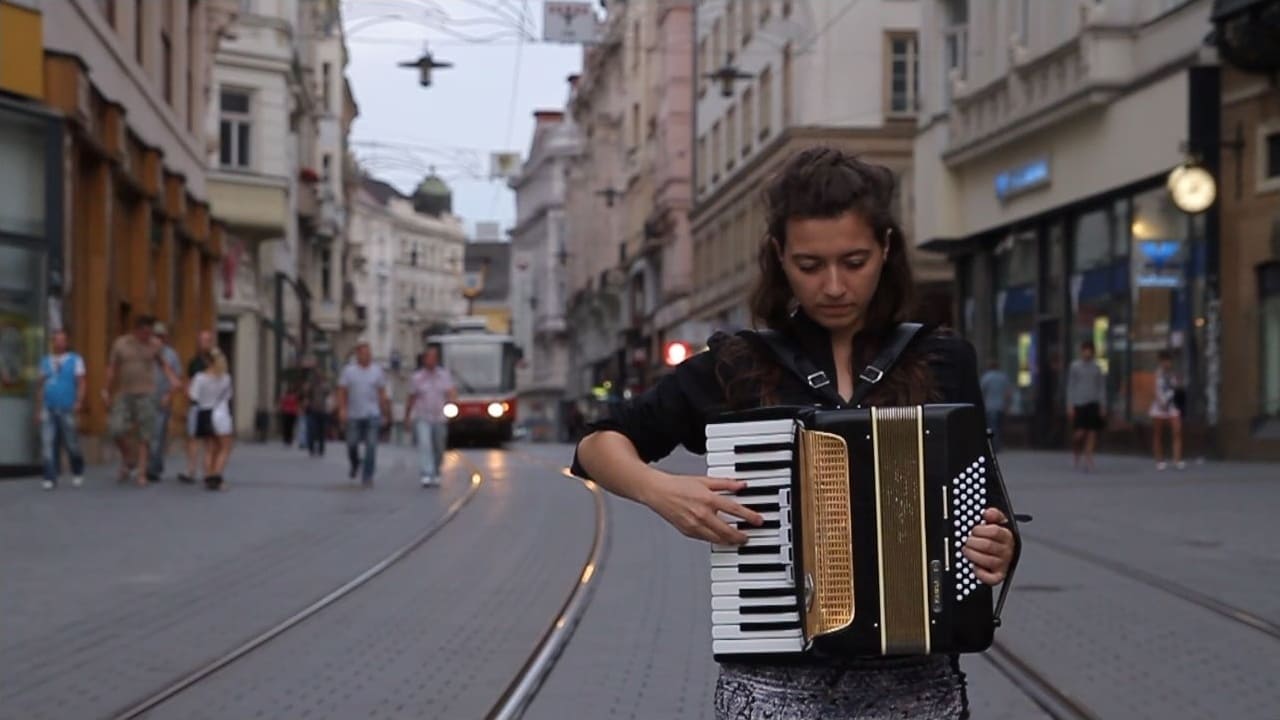
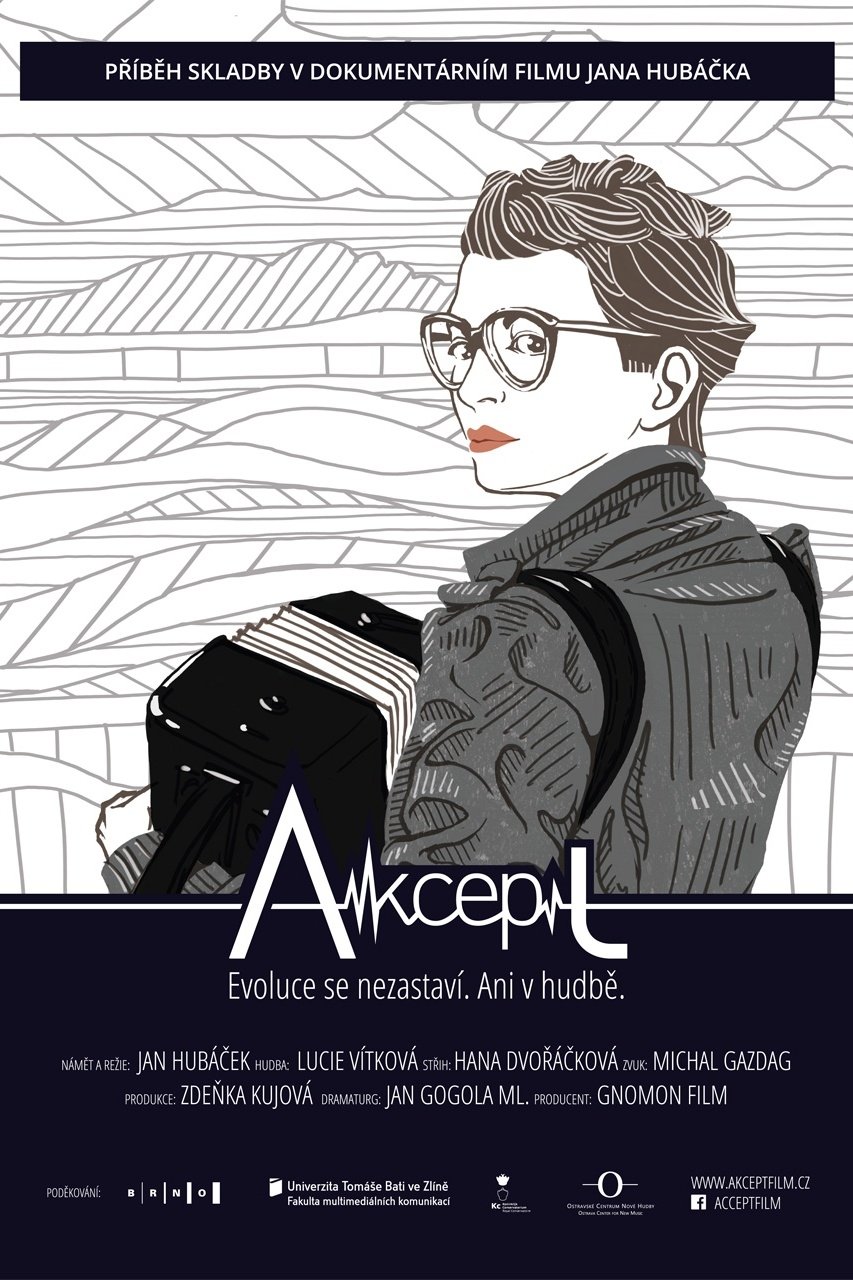
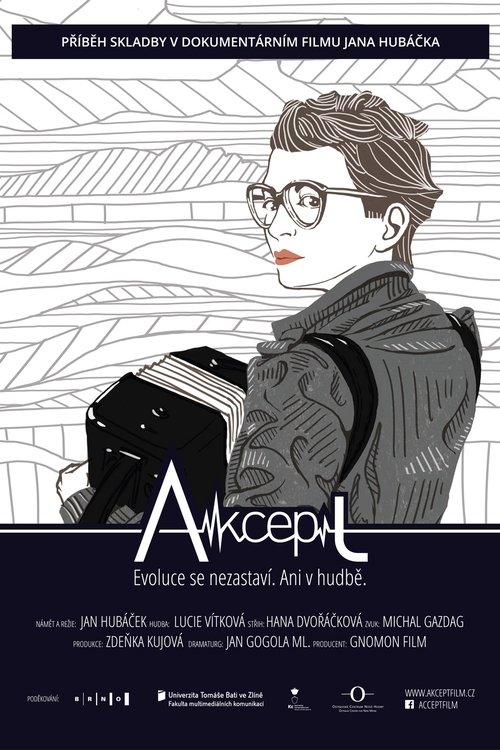
Lucie, a contemporary music composer and performer, creates bizarre pieces using knitting patterns or water turbine schemes, which the public struggles to accept. She prioritises authenticity over popularity, avoiding emotional storytelling in her music. Despite facing resistance from performers and listeners, Lucie remains dedicated, sacrificing much for her art. Her composition “Accept” succeeds, leading her to study in the Netherlands and USA, where she gains acclaim but finds personal life unfulfilled. After losing someone close, Lucie is left adrift in sound, questioning her ability to compose without emotion. Director Jan Hubacek explores these themes in his debut documentary.
Top Cast

Lucie Vítková
Lucie Vítková
Herself
Lucie Vítková
Herself
Jan Hubáček
Jan Hubáček
Himself
Jan Hubáček
Himself
Similar Movies
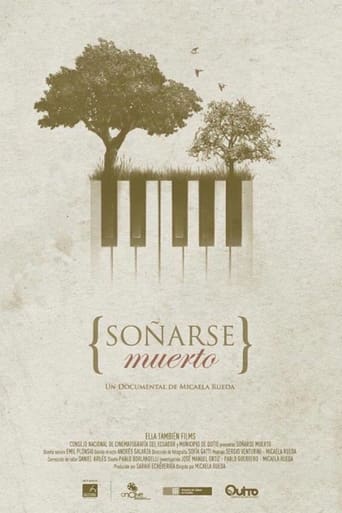
José Manuel Ortiz, 32, has had a great interest and sensitivity towards music since he was very young. He grows up listening to the anecdotes of his great-grandfather Carlos Amable Ortiz who was the first academic musician in Ecuador. After the death of Carlos Amable Ortiz, his fame begins to fade, but his 237 scores have managed to survive time. Upon recovering the works, José Manuel's interest in studying and deepening the music found is awakened.
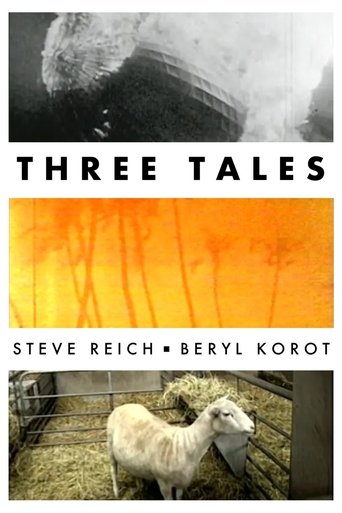
"Three Tales" is a video music work by American composer Steve Reich and video artist Beryl Korot. It is set in three "Acts", each depicting a technological advance of the 20th century and its negative implications on humanity: the dirigible airship Hindenburg and its explosion; the Atom Bomb and its testing on Bikini Atoll; and Dolly the sheep, first successful genetic cloning of a mammal.

The film traces the career of some of the winners of this new generation nicknamed the "K-Classics Generation", including the 2 recent winners of the Queen Elisabeth Competition, the soprano Hwang Sumi and the violinist Lim Jiyoung. In Korea, where it all began, and in Germany where most of them have settled.
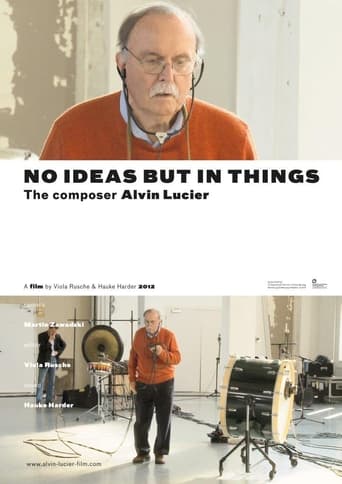
“Don’t ask me what I mean, ask me what I’ve made” – inspired by this motto, the documentary accompanies the American composer Alvin Lucier (1931 - 2021) on concert travels to The Hague (Netherlands) and Zug (Switzerland). Lucier explains and comments on his œuvre – from his early live electronics performances (MUSIC FOR SOLO PERFORMER,1965 and BIRD AND PERSON DYNING, 1975) up to the premiere of his ensemble piece PANORAMA 2 in 2011. One of Lucier’s key works, I AM SITTING IN A ROOM (1969), is introduced as a central structuring device in the film. At home in Middletown, Connecticut, Lucier offers rare insights into the beginnings of his pioneering works, his time as a member of the Sonic Arts Union, his relations with John Cage and David Tudor, as well as his teaching practice at Wesleyan University.
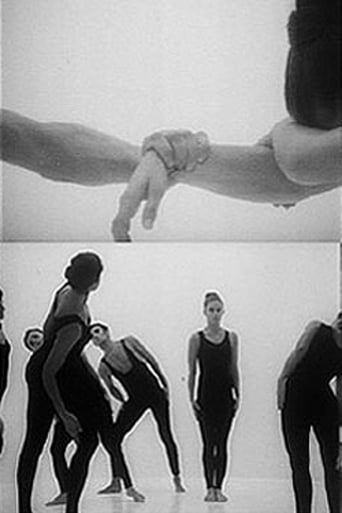
The first experimental dance film from Croatia, which pays homage to the pioneer of experimental and dance film Maya Deren and her "Study in Choreography for Camera" from 1945. The theme of the film is inspired by a composition by Ivo Malec "Miniatures for Lewis Carroll", and the dance is performed by the members of the Studio for Contemporary Dance who, in black suits and white surroundings, seem to float in the space captured by the eye of the camera.
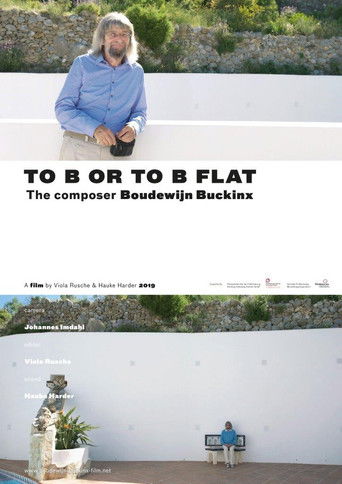
Who gets the idea to write “Nine unfinished symphonies” - one of them perhaps the shortest Symphony in music history? Or "1001 sonatas’ - each lasting about a minute but in total being one of the longest pieces ever written? Like a postmodern Erik Satie the Belgium composer Boudewijn Buckinx is using music history as a playing field. The classical music audience is irritated, the avant-gardist wrinkles his nose... "Daisies in a Meadow" - that's how Buckinx described his "1001 Sonatas” for violin and piano, They play a leading role in our film, in the supporting roles the Spanish sun and the Belgian rain. The latter, however, did not show up at the set - just as you always have to be prepared for surprises with Boudewijn Buckinx. "Why is my music so simple? - Why is my music so complex?" With a wink, Buckinx gives various answers to these recurring questions. The portrait of an immensely productive artist who is radically taking his own path.
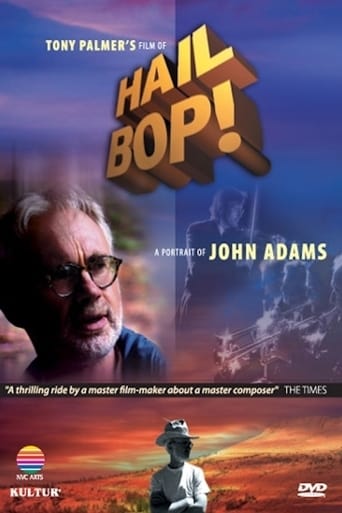
Shot over the course of a year, this intimate portrait of provocative composer John Adams presents scenes of the artist at work and at play against the backdrop of dramatic American landscapes that reflect the themes of his music. Though he has a number of credits to his name, Adams is best known for his unconventional opera "Nixon in China," which explores the former U.S. president's meeting with Mao Zedong in 1972.
He is the most performed contemporary composer in the world. And yet he rarely ventures out in public, prefers to keep quiet about his music, feels at home in the forests of Estonia and generates therewith - perhaps involuntarily - the impression of a recluse, which is attributed to him again and again: Arvo Part. In The Lost Paradise, we follow him over a period of one year in his native Estonia, to Japan and the Vatican. The documentary is framed by the stage production of Adam's Passion, a music theater piece based on the Biblical story of the fall of Adam featuring three key works by Arvo Part. The world-renowned director Robert Wilson has brought this work to the stage in a former submarine factory in Tallinn. Tracing their creative process, the film offers rare and personal insights into the worlds of two of the most fascinating personalities in the international arts and music scene.
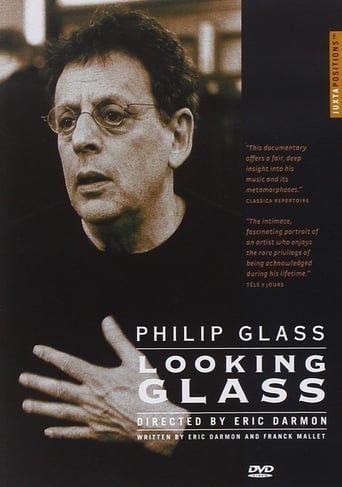
This documentary captures the overflowing energy and activity of one today's greatest composers, Philip Glass, and allows us to follow him from New York to London and from Paris to Boston. He speaks about his beginnings, his moving to Paris for two years of intensive study with Nadia Boulanger, his meeting with Indian musician Ravi Shankar and director Robert Wilson, who had a deep influence on his career. The film also shows him at work on the last details of his opera The Sound of a Voice, directed by Robert Woodruff and conducted by Alan Johnson. Éric Darmon's camera, with its poetic shots and original framings, takes us for a musical journey into seven months of the life of the composer who, rising from the underground scene of the seventies, brought on a revolution in modern theater.