

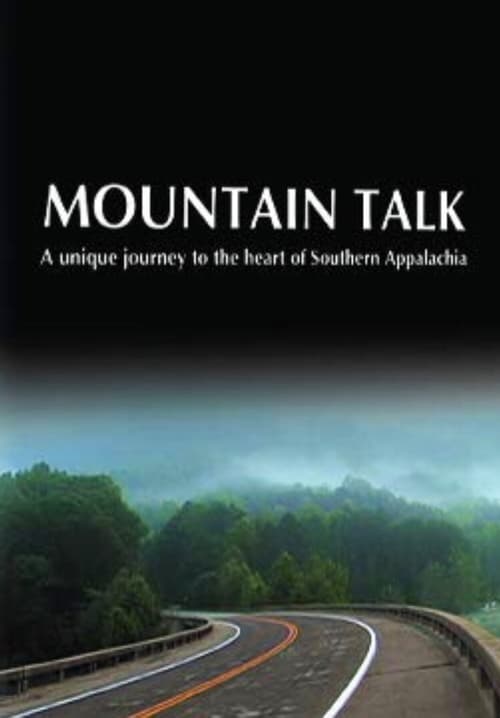
Mountain Talk
Documentary
Overview
Mountain dialect, culture and identity are revealed by the true experts on Southern Appalachian culture--the people whose families have lived there for generations.
Top Cast





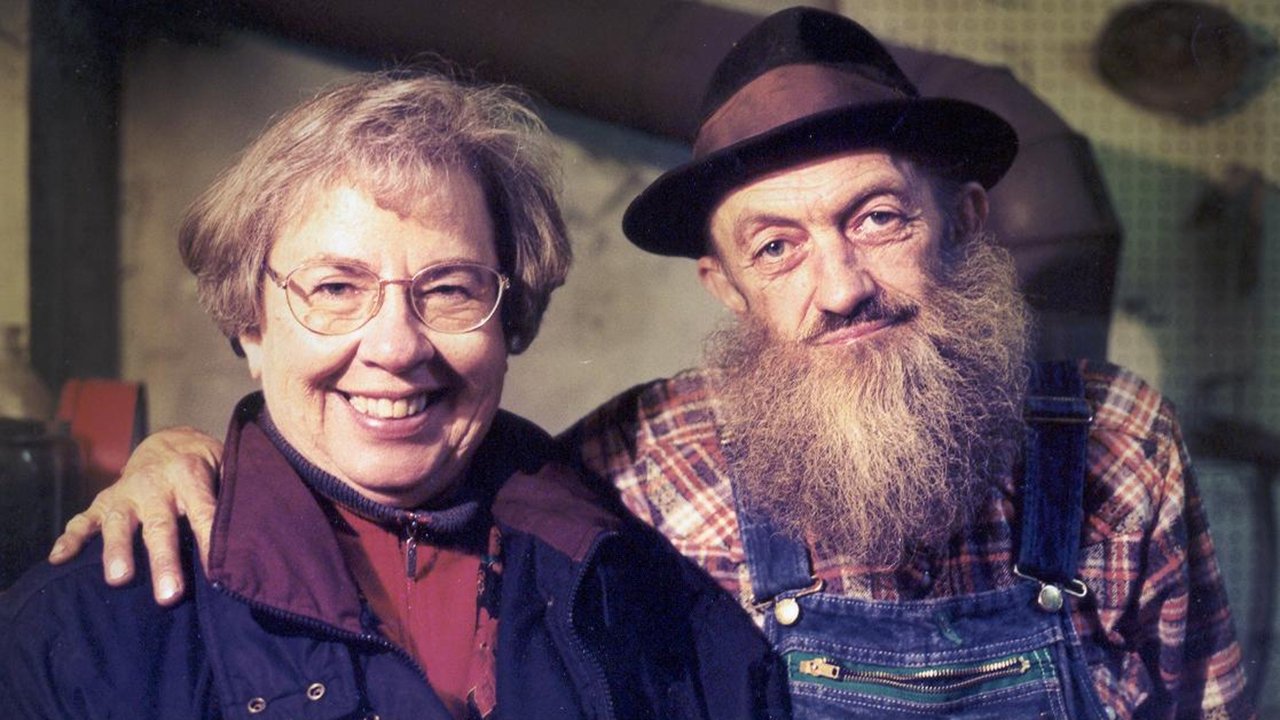
Popcorn Sutton
Popcorn Sutton
Self
Popcorn Sutton
Self
Jim Tom Hedrick
Jim Tom Hedrick
Self
Jim Tom Hedrick
Self
Gary Carden
Gary Carden
Narrator
Gary Carden
Narrator
Similar Movies
In 1967 Canadian filmmaker Hugh O'Connor came with a crew to eastern Kentucky to make a film showing people from all walks of life in the United States. They finished the day by filming coal miners and their families in rental houses. As the filmmakers were leaving, Hobart Ison, the owner of the property, drove up and fired three shots, killing Hugh O'Connor. Elizabeth Barrett, from Kentucky herself, explores why this happened by trying to understand the people and culture of eastern Kentucky.

Appalachian Journey is one of five films made from footage that Alan Lomax shot between 1978 and 1985 for the PBS American Patchwork series (1991). It offers songs, dances, stories, and religious rituals of the Southern Appalachians. Preachers, singers, fiddlers, banjo pickers, moonshiners, cloggers, and square dancers recount the good times and the hard times of rural life there. Performers include Tommy Jarrell, Janette Carter, Ray and Stanley Hicks, Frank Proffitt Jr., Sheila Kay Adams, Nimrod Workman and Phyllis Boyens, Raymond Fairchild, and others, with a bonus of a few African-Americans from the North Carolina Piedmont.
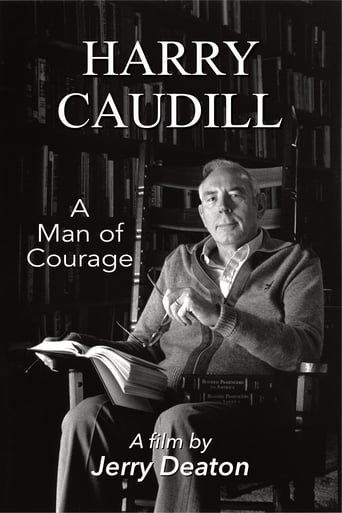
One of the most important Kentuckians of the 20th century, Harry Caudill brought the story of Appalachia to national attention when his book “Night Comes to the Cumberlands” was released in 1963. The nonfiction account of Eastern Kentucky’s coal region, part history and part polemic, eloquently recounted the exploitation of Appalachia’s land and its people by business and government interests, and made Caudill a national spokesperson for his homeland. Harry Caudill spent his life advocating for Eastern Kentucky, with the aim of helping the powerless as well as securing the region’s unmatched natural resources for future generations. His work led to lasting government reforms for Appalachia, and his legacy remains a touchstone for activists today.
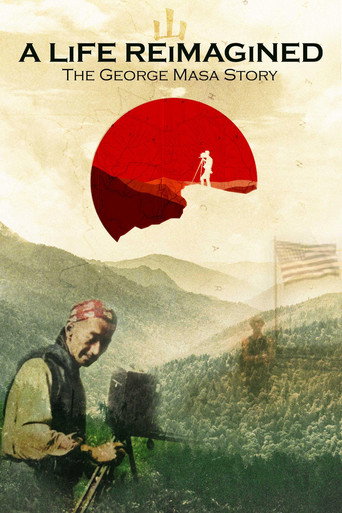
In 1915 a young, charismatic Japanese man with a mysterious past entered into the Appalachian culture of Asheville, North Carolina, is suspicioned a spy, targeted by the Klan, but perseveres with a passion for photography and the mountains he adopts, bringing to life Great Smoky Mountains National Park & the Appalachian Trail.
RUNNING FOR THE MOUNTAINS digs into West Virginia's history of 'patriotic sacrifice,' unearthing veins of dark money and dirty politics. The film tracks grassroots candidates and ordinary citizens' attempts to save their land, water, homes, and communities - calling out the pro-extraction politicians enabling destruction, including Senator Joe Manchin and his likely replacement, coal baron Governor Jim Justice. Appalachia is the proverbial canary in a coal mine; pay attention or pay the price.
During World War I, African-Americans worked on the railroad near Corbin, Kentucky. When whites returned from the war, there was conflict. Whites sought their former jobs and positions in the community. In 1919, a race riot occurred. Whites put the African-Americans on railroad cars and ran them out of town. In Trouble Behind, members of the Corbin community speak out on the issue. The filmmakers also interview former members of the Corbin, which at the time of filming had only one black family. Some Corbin residents express confusion as to why African-Americans don't move back. Others openly use racial epithets. Some young adults seem troubled by the racism, past and present. Others don't.
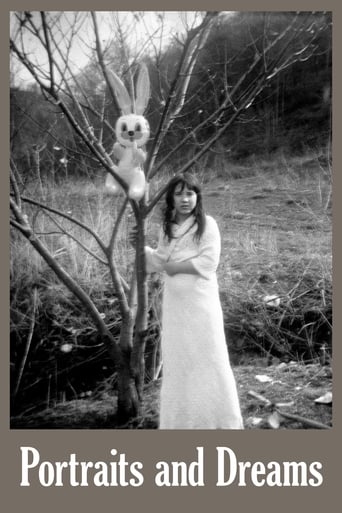
Revisit photographs created by Kentucky school children in the 1970s and the place where their photos were made. Photographer and artist Wendy Ewald, who guided the students in making their visionary photographs, returns to Kentucky and learns how the lives and visions of her former students have changed.