

Haewon
Documentary
Overview
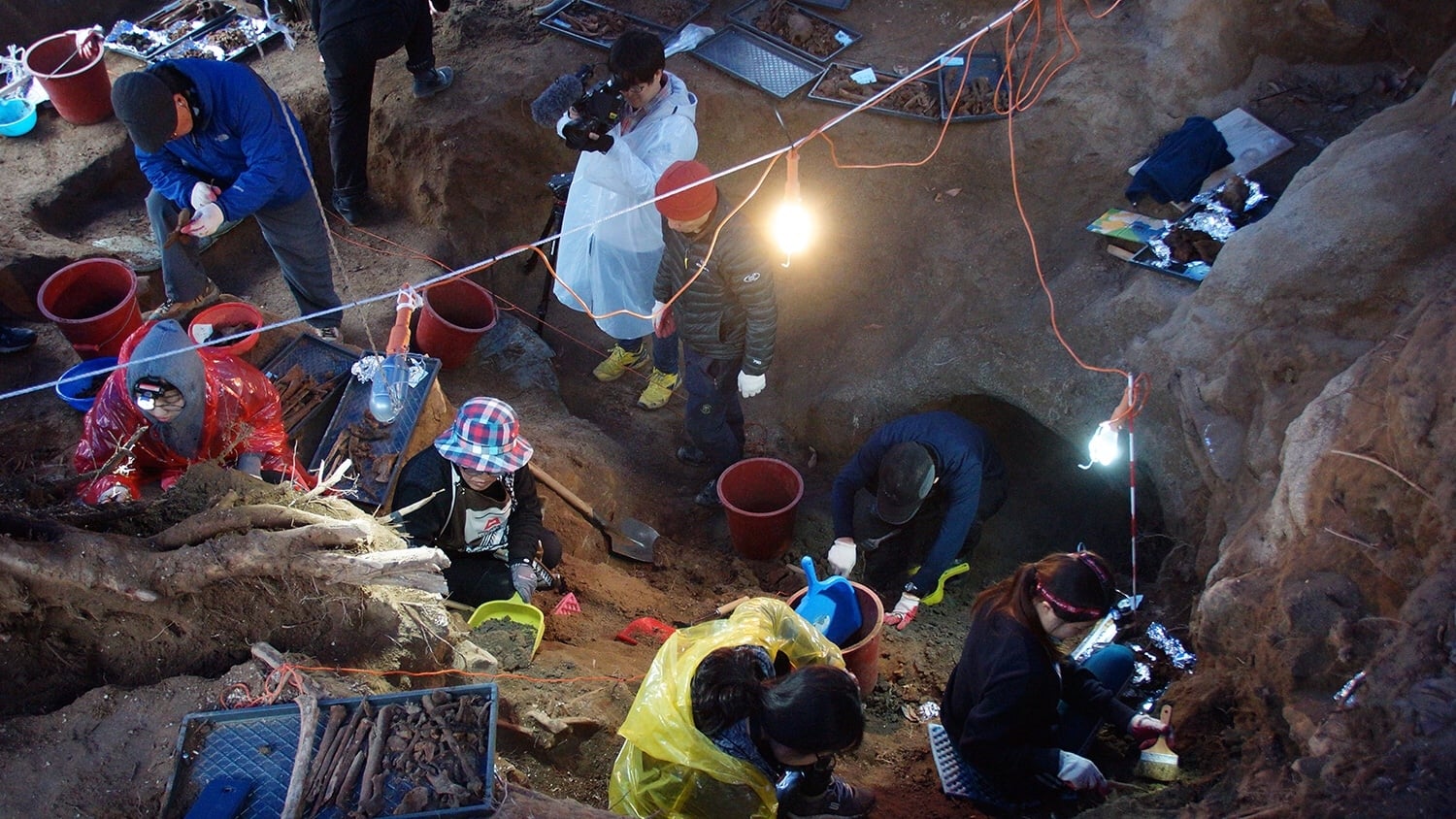
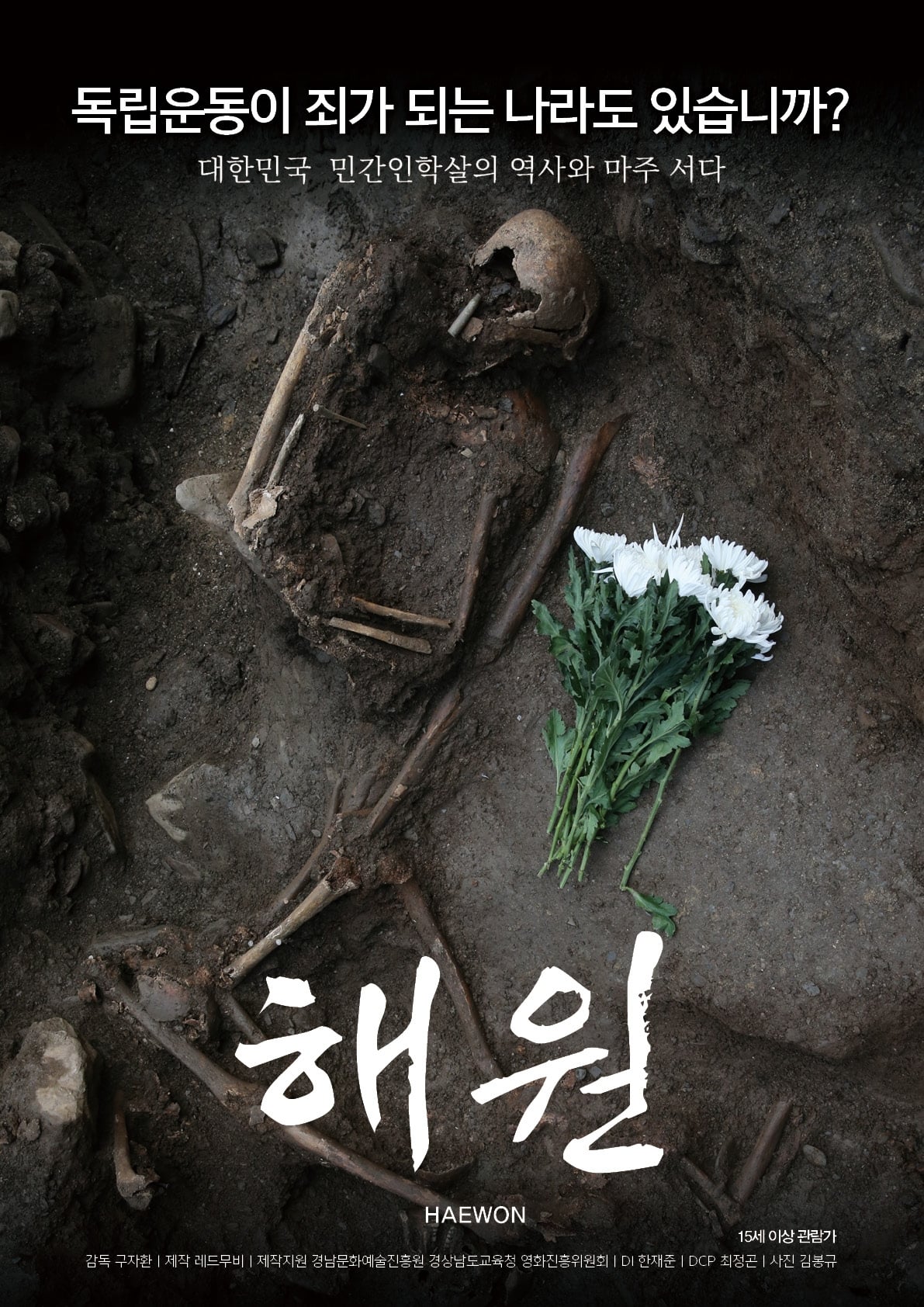
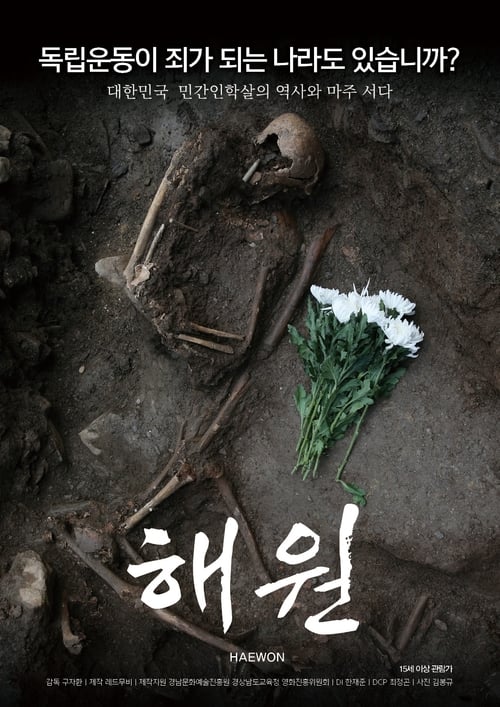
According to a survey by the U.S. military government in 1946, 78% of the South Korean people wanted socialism and only 14% capitalism. By appointing the pro-Japanese collaborators and the rightists, Rhee Syngman, who had not received the people's support, massacred those groups and civilians that were political stumbling blocks. In dealing with the Jeju 4.3 uprising in 1947 and the Yeosun incident in 1948 and The Korean War having broken out, massive civilian massacre became regularized.



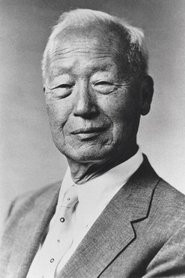
Syngman Rhee
Syngman Rhee
Himself (archive footage)
Syngman Rhee
Himself (archive footage)
Similar Movies
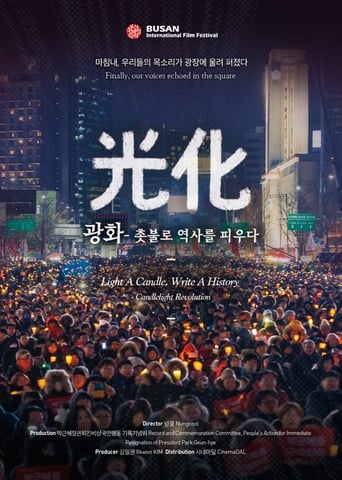
The film traces PARK Geun-hye's life back to the 1970s, when the leader-follower relationship began between PARK, who became the first lady of the Yushin regime, and CHOI Taemin, the leader of a pseudo-religion. It then examines the Sewol ferry incident, CHOI Soonsil Gate, candlelight rallies, and finally the impeachment.

Let's look back at the 18th presidential vote. The 13,500 ballot boxes were taken to 251 ballot count locations and were sorted by 1,300 automatic ballot openers. The chairman announced the sorted data and soon it was announced to the public. But something strange happened. The 251 ballot count locations found 'a number' that have the same pattern. Scientists, mathematicians, statistician and hackers from all over the country start looking into the secret of 'this number'. The result is tremendously shocking...
South Korean cinema is in the throes of a creative explosion where mavericks are encouraged and masters are venerated. But from where has this phenomenon emerged? What is the culture that has yielded this range of filmmakers? With The Nine Lives of Korean Cinema, French critic, writer and documentarian Hubert Niogret provides a broad overview but, nevertheless, an excellent entry point into this unique type of national cinema that still remains a mystery for many people. The product of a troubled social and political history, Korean cinema sports an identity that is unique in much modern film. Niogret's documentary tells of the country's cinematic history - the ups along with the downs - and gives further voice to the artists striving to express their concerns, fears and aspirations.
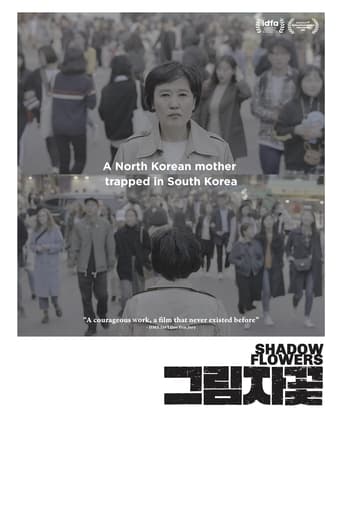
Ryun-hee Kim, a North Korean housewife, was forced to come to South Korea and became its citizen against her will. As her seven years of struggle to go back to her family in North Korea continues, the political absurdity hinders her journey back to her loved ones. The life of her family in the North goes on in emptiness, and she fears that she might become someone, like a shadow, who exists only in the fading memory of her family.
Immediately after liberation, an incident called 'Jeju Uprising' took place on Jeju Island, the Hawaii of Korea, under the control of the US military government. As a result, about one-tenth of the total population of the island at that time was sacrificed. The children who survived the massacre record the memories of that day in an animated film 70 years later.