

Ganz: How I Lost My Beetle
Documentary
Overview
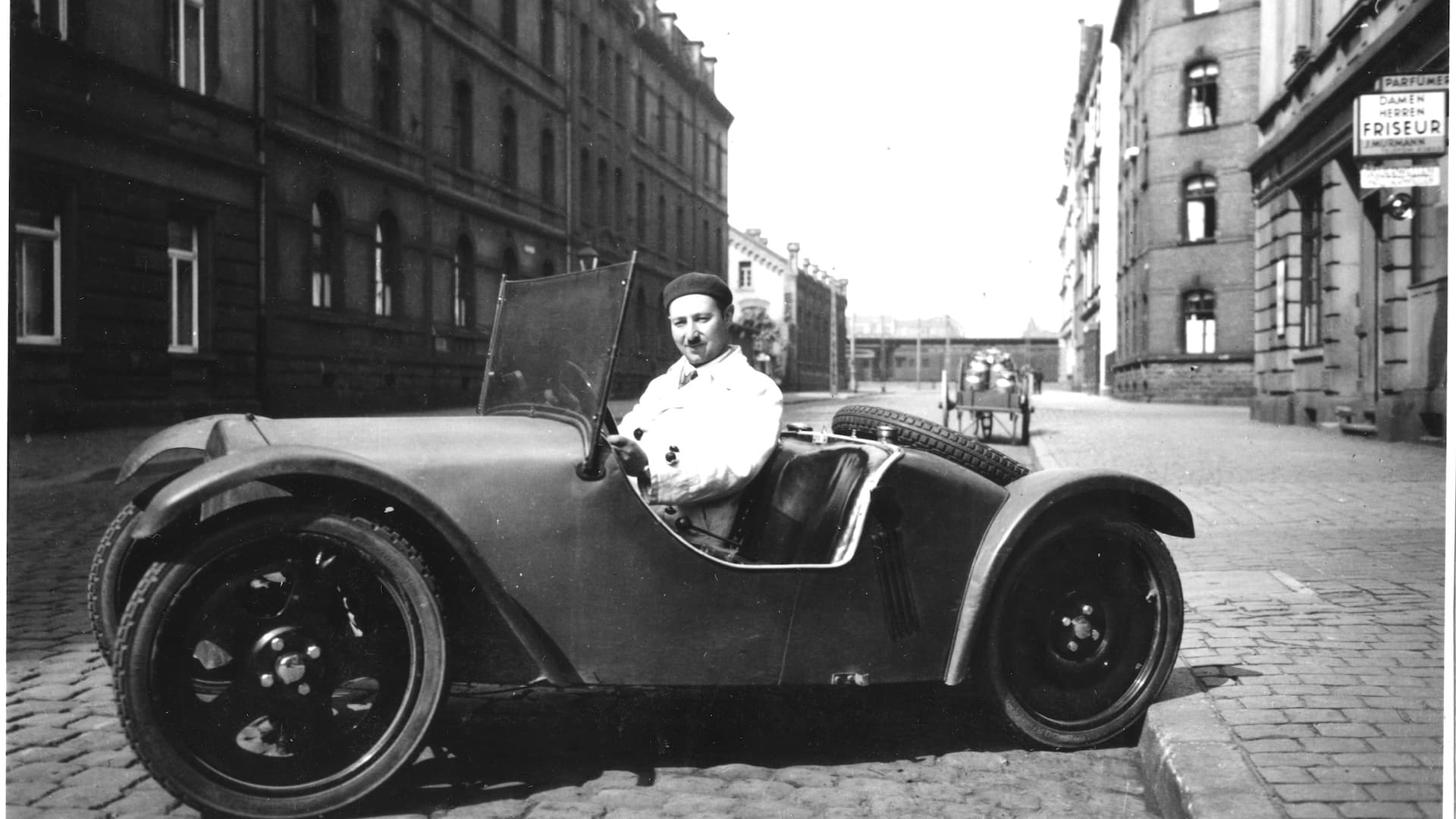
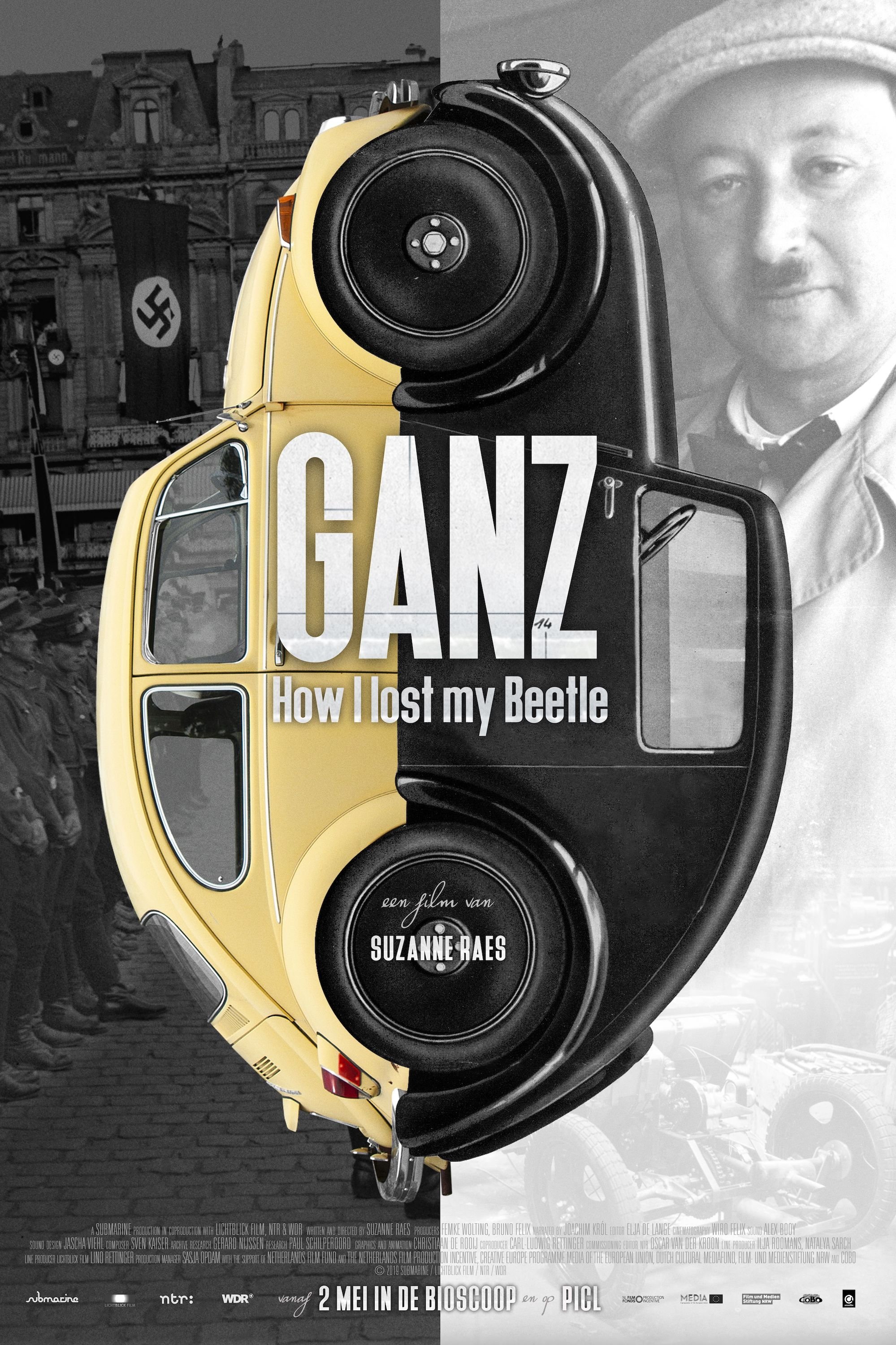
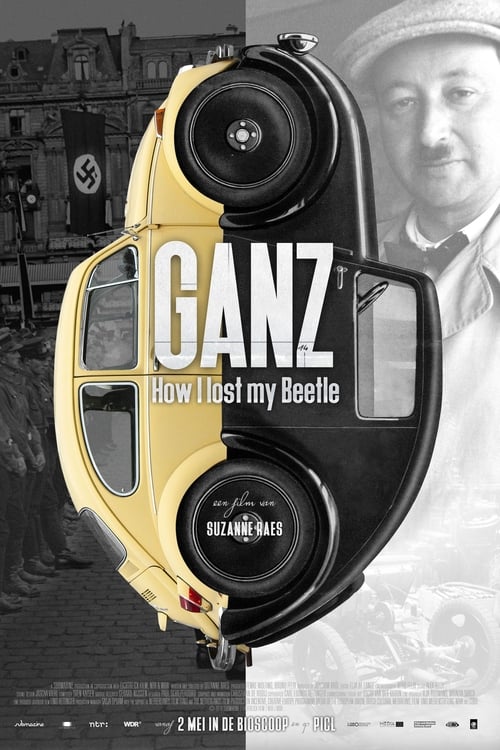
Josef Ganz, editor of trade journal Motor-Kritik, amazed Germany by appearing in a revolutionary tiny car in 1932. It was his dream: a people's car anyone can afford. The idea made its way to new Reichskanzler Adolf Hitler. But in Hitler's dream there was no place for Jewish inventor Ganz. This is the story of the man whose designs led to the invention of the Volkswagen Beetle, and who ultimately lost everything. In the film, Ganz's relatives and admirers bring his lost heritage back to life.
Top Cast


Joachim Król
Joachim Król
Josef Ganz (voice)
Joachim Król
Josef Ganz (voice)
Similar Movies
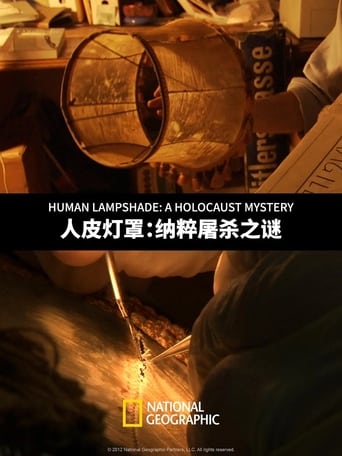
This story follows one man's quest to uncover the origins and reveal the mysteries of a possible Holocaust artifact some historians now say never existed: lampshades made of human skin. When the flood waters of Hurricane Katrina receded, they left behind a wrecked New Orleans and a strange looking lamp that an illicit dealer claimed was 'made from the skin of Jews.'

Naomi seems like a typical nine-year-old girl, until her passion for powerlifting transforms her life with world record-breaking championships and national news headlines. Supergirl explores Naomi’s coming-of-age journey as she and her Orthodox Jewish family are changed forever by her inner strength and extraordinary talent.

For all its talk of racial, spiritual, and physical purity, the self-anointed “Master Race” harbored a secret…theirs was an axis of drug addicts. This two-hour special explores the origin, impact, and lasting effects of the state-sponsored drug use that helped build—and eventually burned—the Third Reich. Incredible new sources of information, including a detailed journal maintained by Hitler’s personal physician, reveal the extent of not just his, but the entire Nazi Party’s reliance on drugs to power their war effort.
As early as 1920, the journalists of the "Münchener Post" recognized the danger posed by Adolf Hitler. Consistently and boldly they wrote about National Socialism. The brave journalists and their newspaper are almost forgotten today. A single book has been published about them - in Brazil.
Hitler's biography told like never before. Besides brief historical localizations by a narrator, only contemporaries and Hitler himself speak: no interviews, no reenactment, no illustrative graphics and no technical gadgets. The testimonies from diaries, letters, speeches and autobiographies are assembled with new, often unpublished archive material. Hitler's life and work are thus reflected in a unique way in interaction with the image of the society in the years 1889 to 1945.

After the World War I, Mussolini's perspective on life is severely altered; once a willful socialist reformer, now obsessed with the idea of power, he founds the National Fascist Party in 1921 and assumes political power in 1922, becoming the Duce, dictator of Italy. His success encourages Hitler to take power in Germany in 1933, opening the dark road to World War II. (Originally released as a two-part miniseries. Includes colorized archival footage.)