

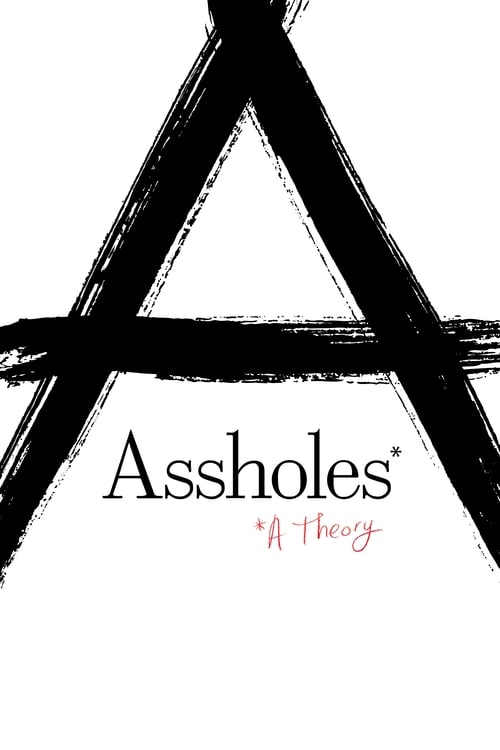
Assholes: A Theory
Documentary
Overview
Some people grapple with the moral challenges of treating human beings decently. Others are just… assholes. Inspired by Aaron James’ New York Times bestseller of the same name, this documentary investigates the breeding grounds of contemporary ‘asshole culture’ — and locates signs of civility in an otherwise rude and nasty universe. Venturing into predominantly male domain, this film moves from Ivy League frat clubs to the bratty princedoms of Silicon Valley and the bear pits of international finance. Why do assholes thrive in certain environments? What explains their perverse appeal? And how do they keep getting elected?

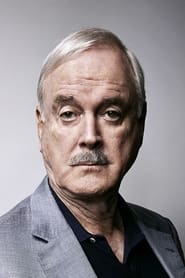
John Cleese
John Cleese
Himself
John Cleese
Himself

Vladimir Luxuria
Vladimir Luxuria
Herself
Vladimir Luxuria
Herself
Geoffrey Nunberg
Geoffrey Nunberg
Himself
Geoffrey Nunberg
Himself
Mary Sarnataro
Mary Sarnataro
Herself
Mary Sarnataro
Herself
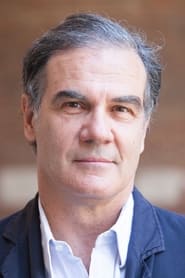
Edoardo Albinati
Edoardo Albinati
Himself
Edoardo Albinati
Himself
Bill Emmott
Bill Emmott
Himself
Bill Emmott
Himself

Lorella Zanardo
Lorella Zanardo
Herself
Lorella Zanardo
Herself
Sherry Lee Benson-Podolchuk
Sherry Lee Benson-Podolchuk
Herself
Sherry Lee Benson-Podolchuk
Herself
Similar Movies
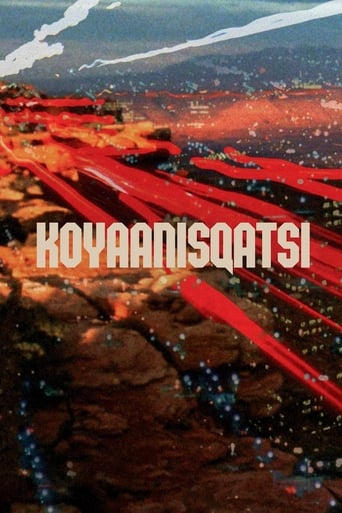
Takes us to locations all around the US and shows us the heavy toll that modern technology is having on humans and the earth. The visual tone poem contains neither dialogue nor a vocalized narration: its tone is set by the juxtaposition of images and the exceptional music by Philip Glass.

In a candid, first-time interview with Rachel Lee, the so-called teenage mastermind behind a string of high-profile celebrity robberies in 2008 and 2009, the film examines the motivations of Lee and a group of her friends who broke into celebrity homes in Hollywood to ransack and steal, exploring the possible reasons behind her actions including mental health issues and addictions, as well as the climate of celebrity excess that fueled the teens, recontextualizing the events behind the sensational headlines.

Why wouldn't you? Is there any reason not to? We've got so much at our disposal, so, why don't you? Won't you tell me? Won't you please tell me? To have you down is simply unacceptable. Just look at this; or this; at all these hallmarks to guide you and convey to you the prime ways to feel lovely. Just follow them and you'll be set. So, I ask you again... Don't you feel lovely today?
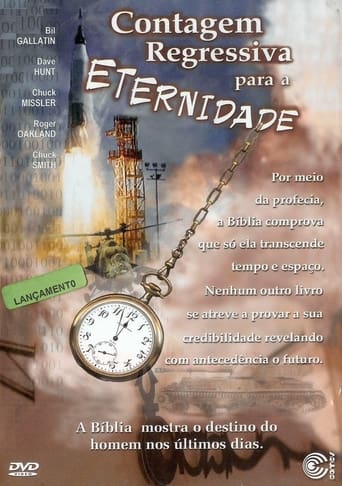
Bible expert Bill Gallatin explores biblical prophecies from the Book of Revelation that have transpired, with a discussion of whether these events signify that we are now living in the End Times preceding the return of Jesus Christ. Gallatin touches on events such as the increasingly acute difficulties in the Middle East, numerous environmental catastrophes, earthquakes and more, explaining how they connect to scriptural writings.

Jean-Luc Godard brings his firebrand political cinema to the UK, exploring the revolutionary signals in late '60s British society. Constructed as a montage of various disconnected political acts (in line with Godard's then appropriation of Soviet director Dziga Vertov's agitprop techniques), it combines a diverse range of footage, from students discussing The Beatles to the production line at the MG factory in Oxfordshire, burnished with onscreen political sloganeering.
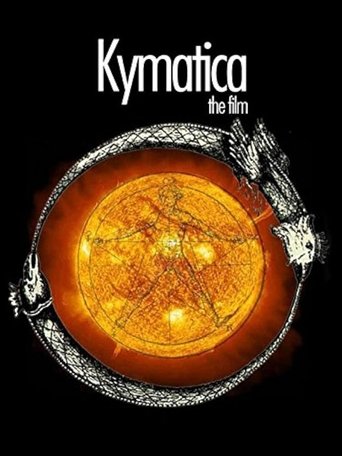
Ben Stewart, the bright young musician and philosopher who brought us the sleeper hit "Esoteric Agenda", unveils his new work, Kymatica!. Kymatica will venture into the realm of Cymatics and Shamanic practices. It will offer insight into the human psyche and discuss matters of spirituality, altered states of consciousness and much more! Not to be missed!
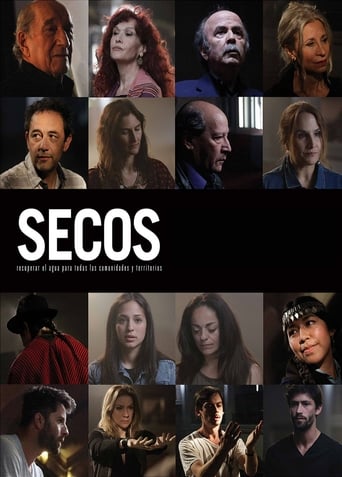
Chile is the only country that has privatized its waters, in favor of large corporations, to the detriment of homes in rural and urban communities. Secos is a short that makes this reality visible, through the dialog between anonymous fighters from the most heavily affected provinces, with renowned actors and actresses in the country. The objective is to activate the topic of water as a human right, to achieve in the future the recovery of this vital element as a common good for all communities and territories.
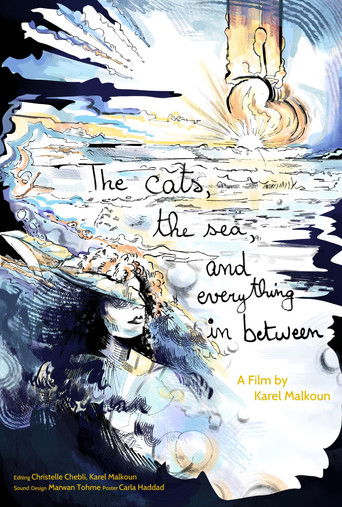
In 2022, when the economic crisis in her native country was at its peak, she decided to visit her family there. She turned her short trip into a collage-like diary in which she reflects on her relationship with her homeland, which is in a state of protracted decay. The film is composed of spontaneous snapshots capturing the author's stay, interspersed with inserted captions serving as personal, often poetically formulated comments and observations. As a result, the film does not hide its strongly subjective perspective, but at the same time builds on it to make an important statement that shows the transformation of Lebanese society in everyday details such as the appearance of the city itself or in the intimate sphere of the author's family life.