

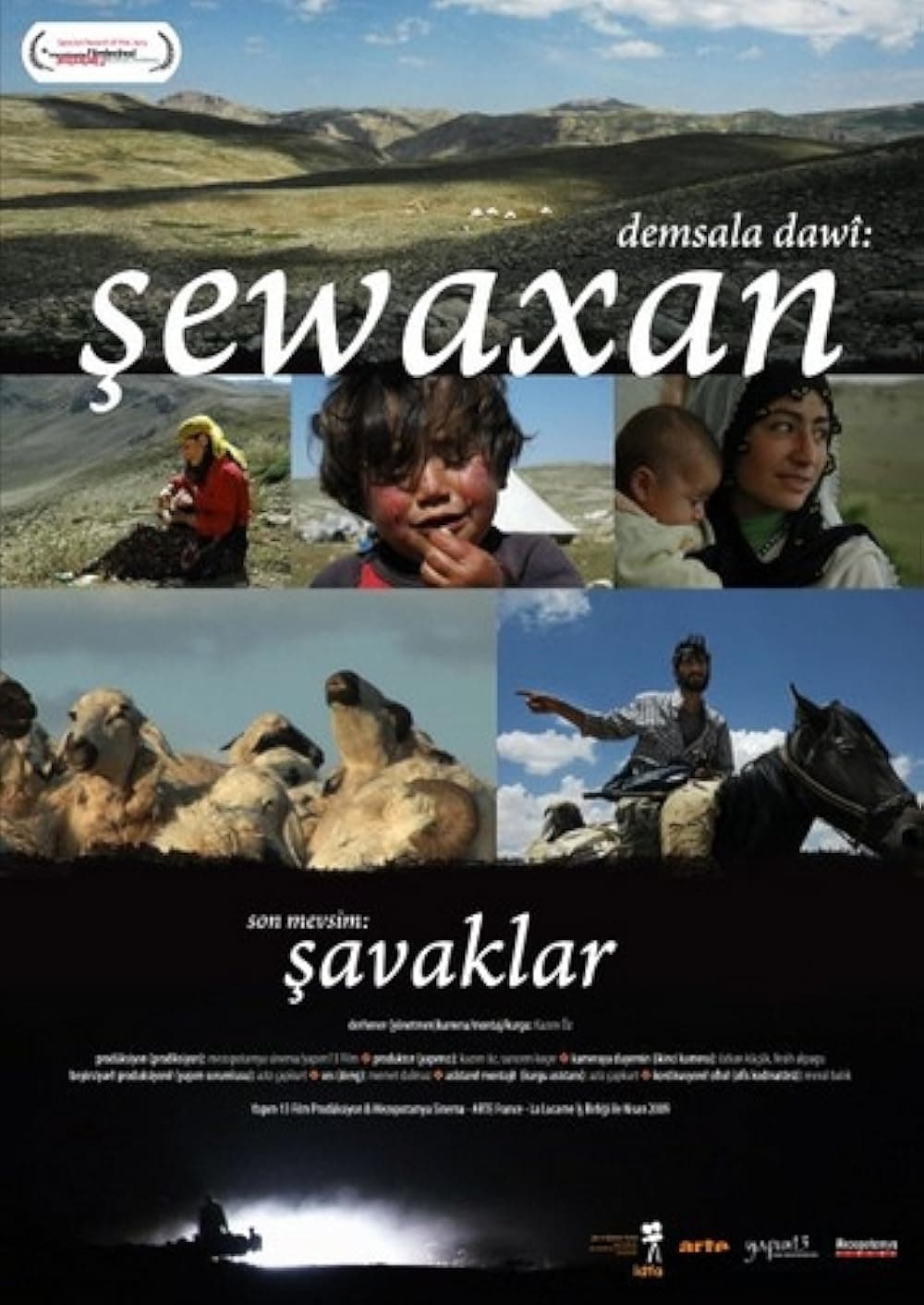
The Last Season: Shawaks
Documentary
Overview
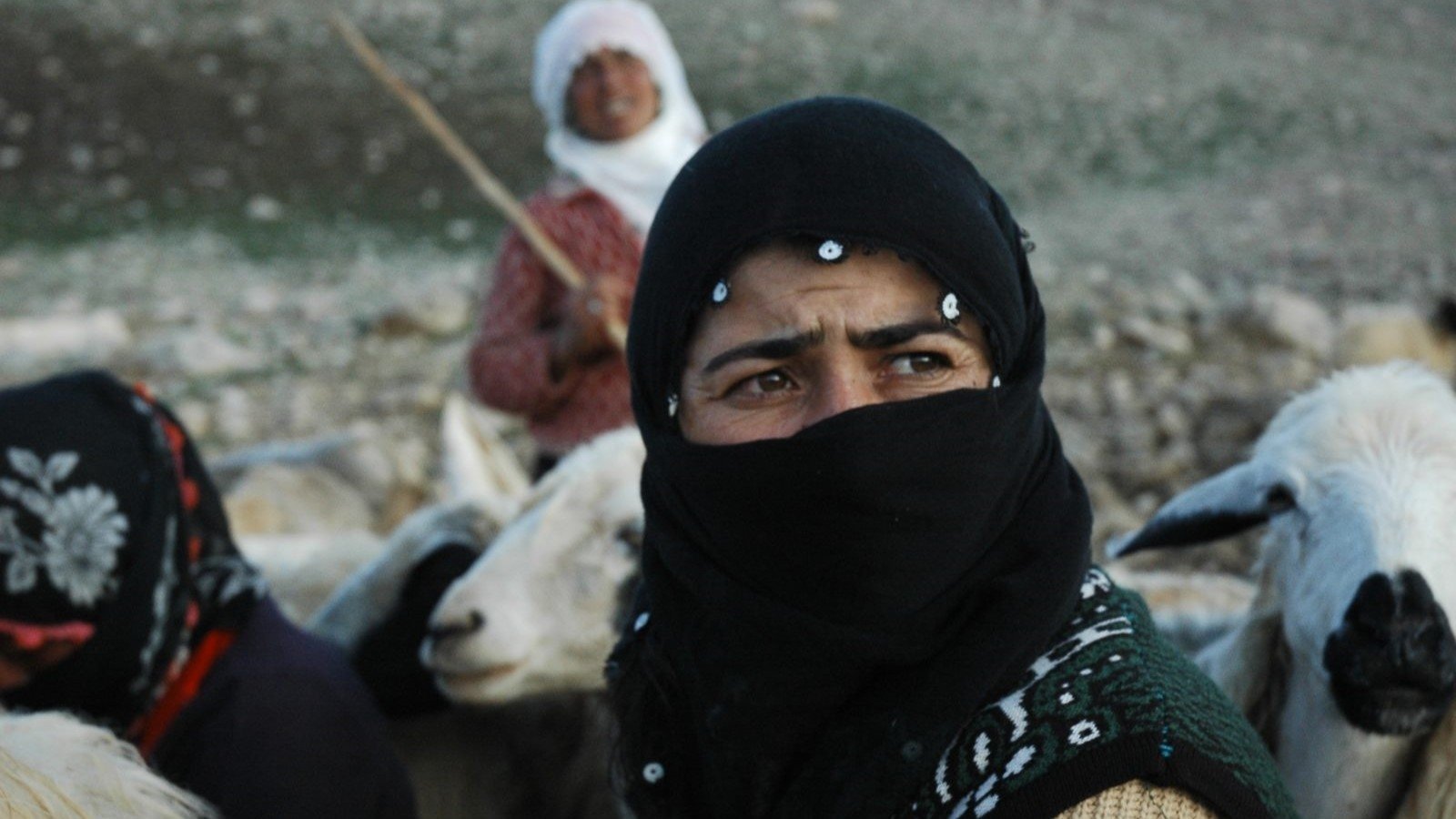
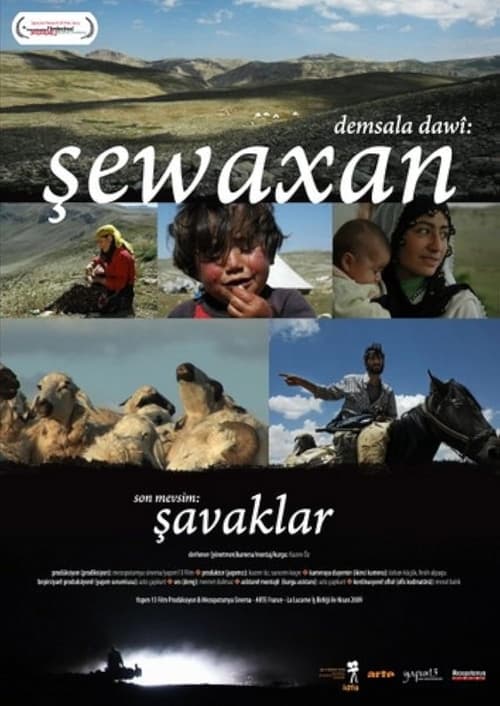
"The Last Season: Shawaks" revolves around an extended Shawak family whose life is marked by seasonal migration.
Top Cast

Aga Erel
Aga Erel
Self
Aga Erel
Self
Ayse Erel
Ayse Erel
Self
Ayse Erel
Self
Dilara Erel
Dilara Erel
Self
Dilara Erel
Self
Emine Erel
Emine Erel
Self
Emine Erel
Self
Osman Erel
Osman Erel
Self
Osman Erel
Self
Rabia Erel
Rabia Erel
Self
Rabia Erel
Self
Simar Erel
Simar Erel
Self
Simar Erel
Self
Yeter Ilki
Yeter Ilki
Self
Yeter Ilki
Self
Kader Topal
Kader Topal
Self
Kader Topal
Self
Similar Movies
An underdog basketball team under the helm of an idealist school teacher from hard scrabble Diyarbakir in Southeastern Turkey goes beyond winning games in their mission to rise above prejudice, poverty and political turmoil created by the decades long conflict between the Turkish state and Kurdish rebels who are fighting for local autonomy and cultural rights.
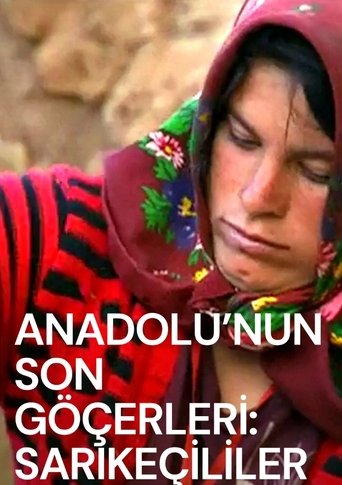
Sarikecilis are the last representatives in Anatolia of the centuries-old tradition of nomadism. Making their way to sea level in winter, and to the highlands in summer, they spend seven months of the year in transit, living off of the goats they keep. This documentary film is telling the story of the last Nomadic tribe in Anatolia within their natural habitat.
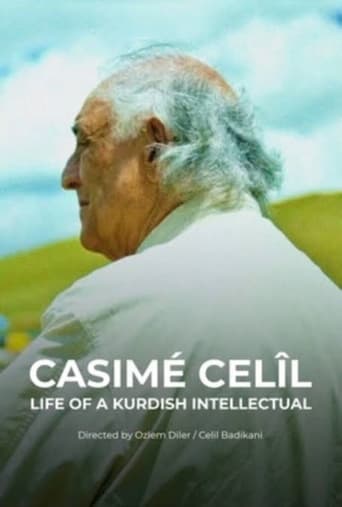
Casimê Celîl was born into a Yezidi Kurdish family in 1908, in a village called Kızılkule, located in Digor, Kars. The village and family life, which he longed to remember throughout his life, ends with the massacre they endured in 1918. During his long road to Erivan, Armenia, he lost all his family members. Left all alone, Casim was placed into an orphanage and was forced to change his name. To remember who he was and where he came from, every morning he repeated the mantra “Navê min Casim e, Ez kurê Celîlim, Ez ji gundê Qizilquleyê Dîgorê me, Ez Kurdim, Kurdê Êzîdî me”, which translates to: “My name is Casim, I am the son of Celîl, I come from the village of Kızılkule in Digor, I am a Kurd, and I am Yezidi”. He clings to every piece of his culture he can find, reads, and saves whatever Kurdish literature or art he comes across. As the year’s pass, Casim finds himself with an impressive collection of Kurdish culture and history.
In the panorama of Kurdish music, Koma Berxwedan (Group Resistance) is one of the most interesting, innovative, experimental groups. To a deep love for music research the group has always associated a strong political commitment. Some of its members have joined the PKK guerrillas in the mountains of Kurdistan. Three of them died in combat. Some have been forced to live in exile and others continued to challenge the Turkish authorities by carrying out their work in Kurdistan.
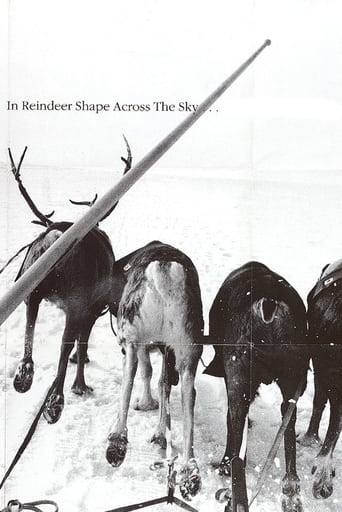
This Finnish documentary film directed, written, produced and shot by Markku Lehmuskallio is the first part of a documentary trilogy about the Nenets people. It's a folkloric documentary describing the traditional nomadic life of the Nenets on the Yamal Peninsula. It includes Nenets songs sung by Anastasia Lapsui and her mother Maria Lapsui. The film was the first film collaboration of Markku Lehmuskallio and Anastasia Lapsui.