

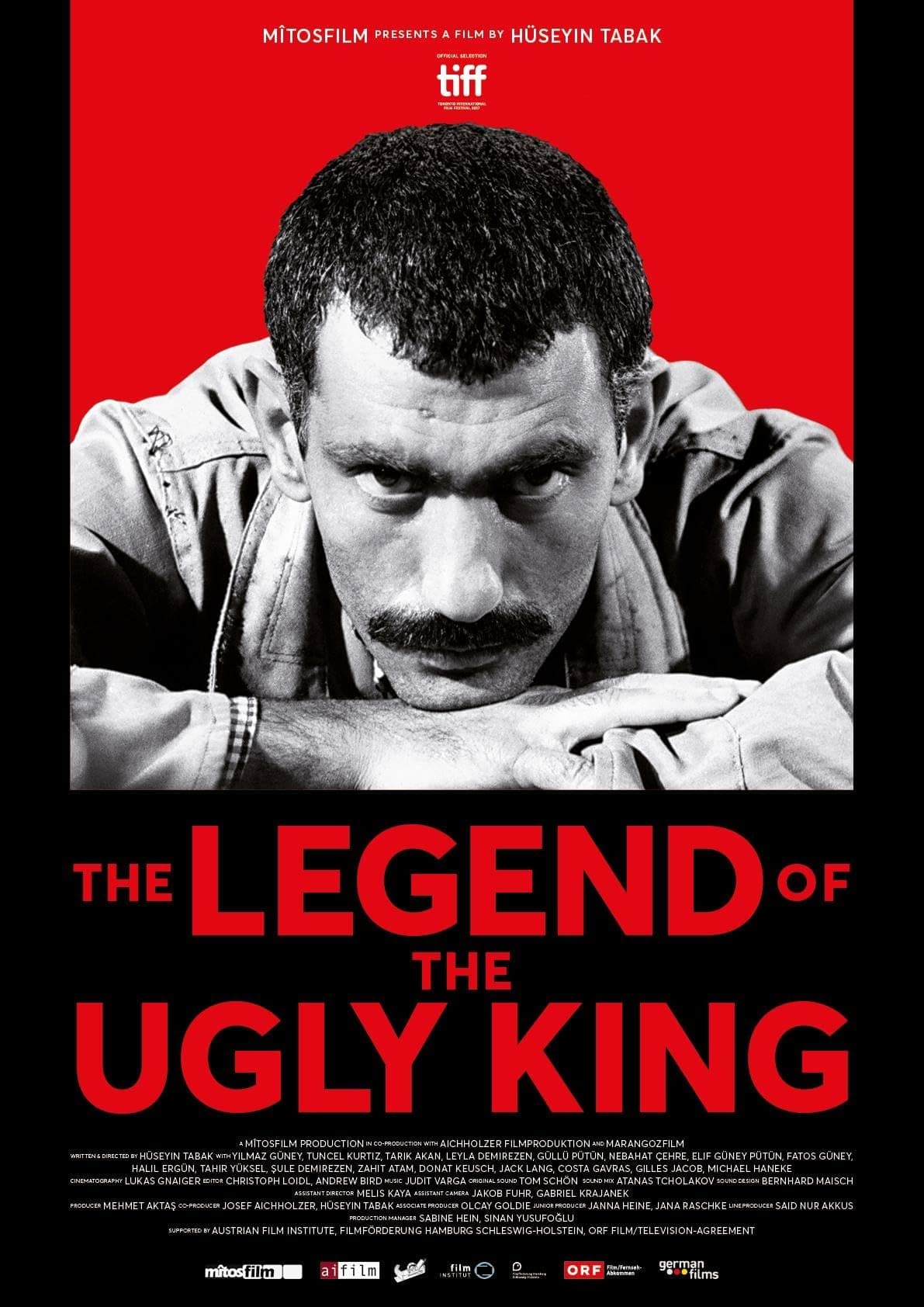
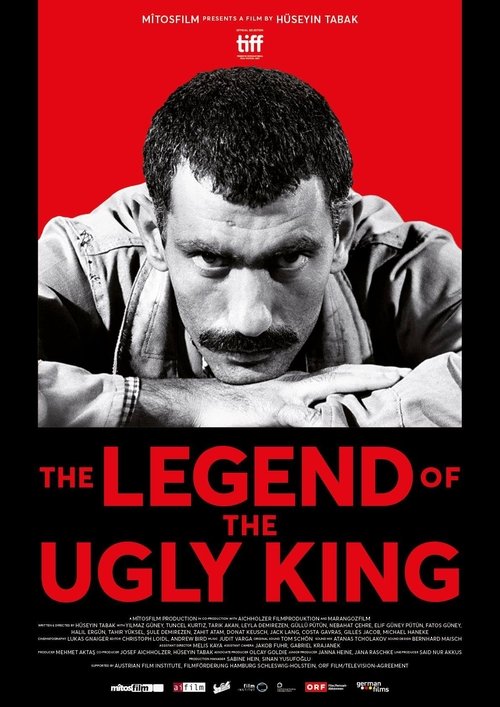
The Legend of the Ugly King
Documentary
Overview
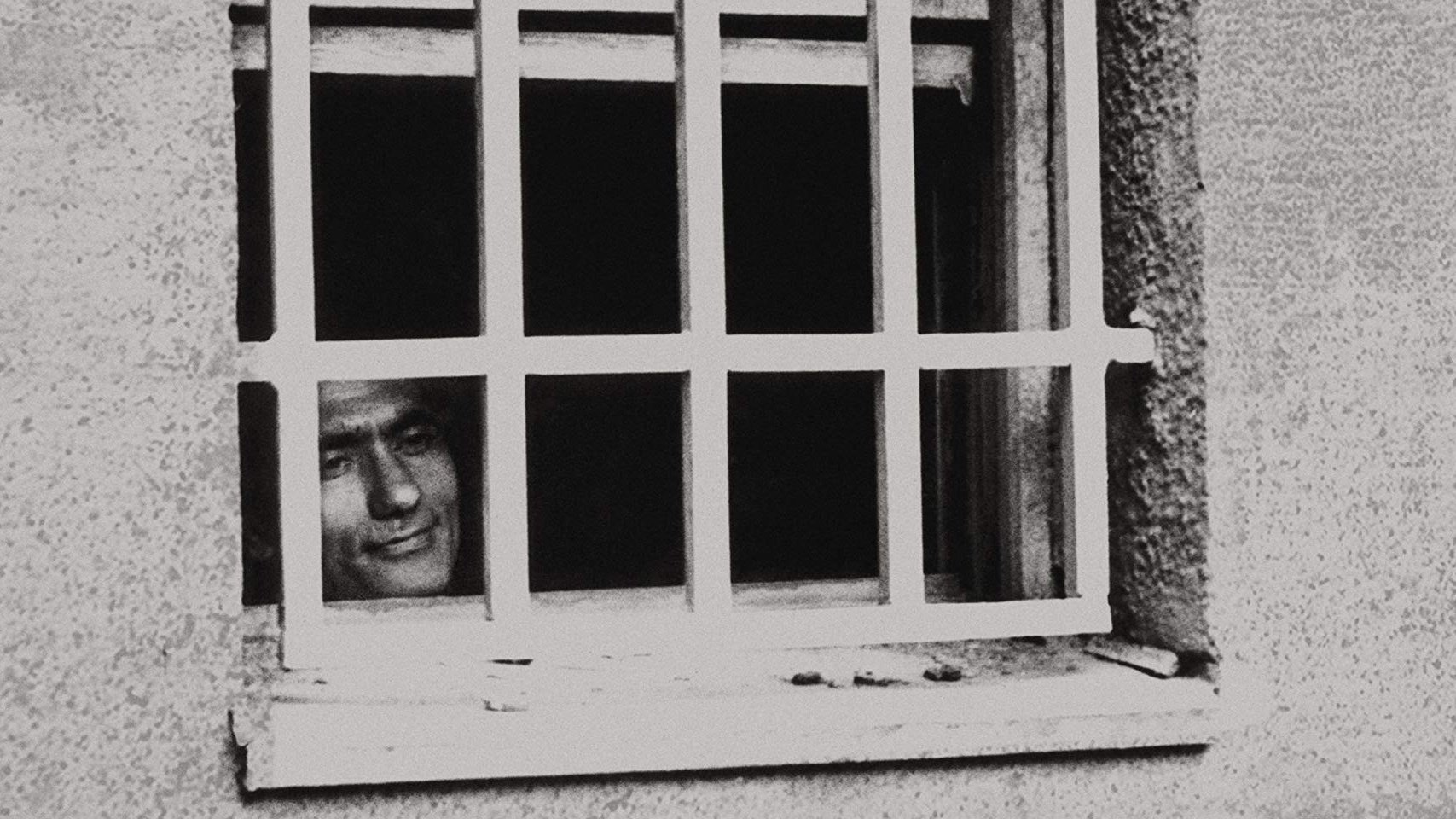
Director Hüseyin Tabak explores the legacy of Yilmaz Güney — political dissident, convicted murderer, and visionary Kurdish filmmaker — who directed the 1982 Palme d'Or–winning Yol from inside prison and died in exile just two years later.


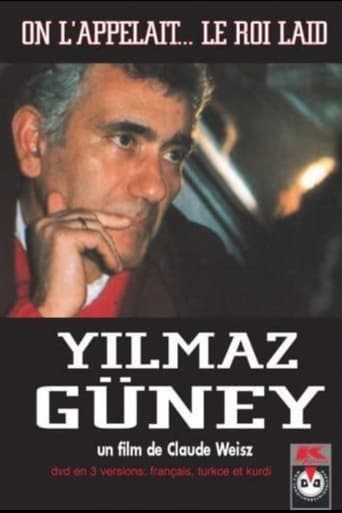
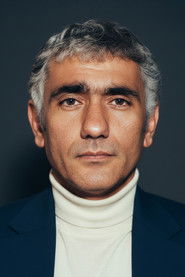
Yılmaz Güney
Yılmaz Güney
Self (archive footage)
Yılmaz Güney
Self (archive footage)
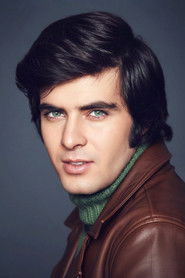
Tarık Akan
Tarık Akan
Self
Tarık Akan
Self
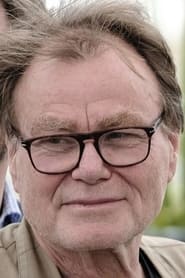
Patrick Blossier
Patrick Blossier
Self
Patrick Blossier
Self
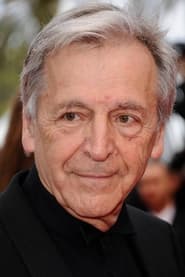
Costa-Gavras
Costa-Gavras
Self
Costa-Gavras
Self
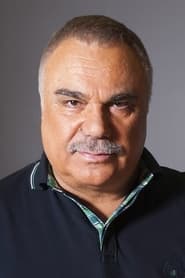
Halil Ergün
Halil Ergün
Self
Halil Ergün
Self
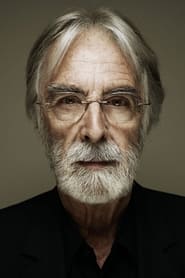
Michael Haneke
Michael Haneke
Self
Michael Haneke
Self
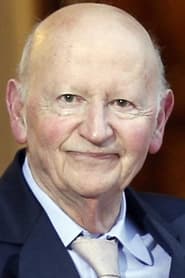
Gilles Jacob
Gilles Jacob
Self
Gilles Jacob
Self
Donat Keusch
Donat Keusch
Self
Donat Keusch
Self

Tuncel Kurtiz
Tuncel Kurtiz
Self (archive footage)
Tuncel Kurtiz
Self (archive footage)
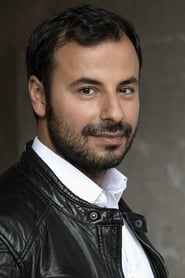
Hüseyin Tabak
Hüseyin Tabak
Self
Hüseyin Tabak
Self
Similar Movies
In the panorama of Kurdish music, Koma Berxwedan (Group Resistance) is one of the most interesting, innovative, experimental groups. To a deep love for music research the group has always associated a strong political commitment. Some of its members have joined the PKK guerrillas in the mountains of Kurdistan. Three of them died in combat. Some have been forced to live in exile and others continued to challenge the Turkish authorities by carrying out their work in Kurdistan.
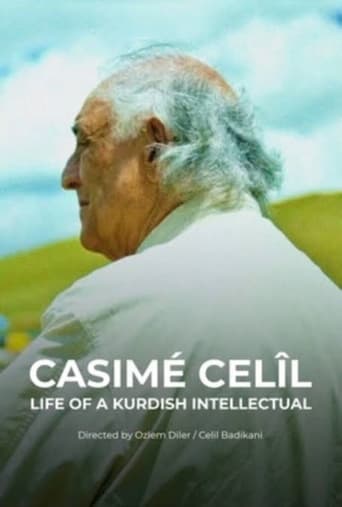
Casimê Celîl was born into a Yezidi Kurdish family in 1908, in a village called Kızılkule, located in Digor, Kars. The village and family life, which he longed to remember throughout his life, ends with the massacre they endured in 1918. During his long road to Erivan, Armenia, he lost all his family members. Left all alone, Casim was placed into an orphanage and was forced to change his name. To remember who he was and where he came from, every morning he repeated the mantra “Navê min Casim e, Ez kurê Celîlim, Ez ji gundê Qizilquleyê Dîgorê me, Ez Kurdim, Kurdê Êzîdî me”, which translates to: “My name is Casim, I am the son of Celîl, I come from the village of Kızılkule in Digor, I am a Kurd, and I am Yezidi”. He clings to every piece of his culture he can find, reads, and saves whatever Kurdish literature or art he comes across. As the year’s pass, Casim finds himself with an impressive collection of Kurdish culture and history.
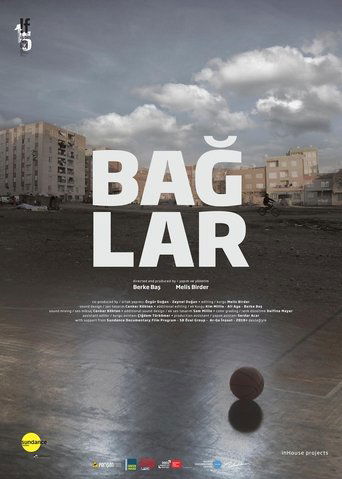
An underdog basketball team under the helm of an idealist school teacher from hard scrabble Diyarbakir in Southeastern Turkey goes beyond winning games in their mission to rise above prejudice, poverty and political turmoil created by the decades long conflict between the Turkish state and Kurdish rebels who are fighting for local autonomy and cultural rights.
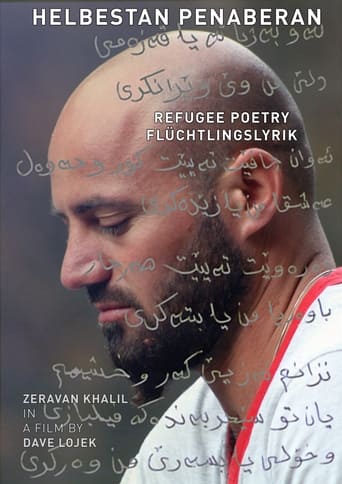
The Kurdish Iraqi poet and actor Zeravan Khalil travels with his dog through an Alpine gorge after fleeing from IS war and genocide. As he remembers the abomination, he writes a poem with the title “You drive me mad” in Kurmanji Kurdish. In his home country, Yazidic Kurds are forbidden to work in his profession. Then he eats his apple and wanders through Europe’s middle with more hope.
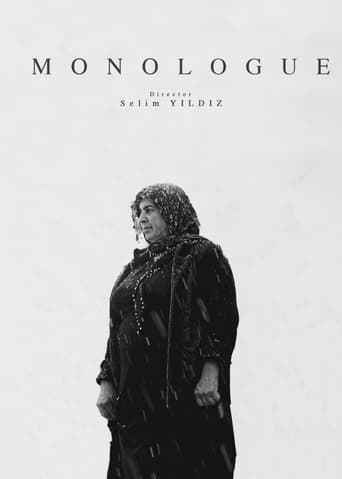
Sivan Encü, a young Kurdish man, provided for his family by "smuggling" through the Turkish-Iraqi border. When he was murdered in the 2011 Robozik (Roboski) Massacre, the responsibility of family's welfare was taken over by his younger brother Sinan, who lost his life in an unfortunate accident. This is the story of their grief-stricken mother Heyam and her resilience. Alongside Heyam's struggle, the film brings the voices of Robozik elders and notables to the forefront, who have experienced first-hand the social, political and economic dimensions of smuggling, which has been the backbone of survival for the locals for many generations.
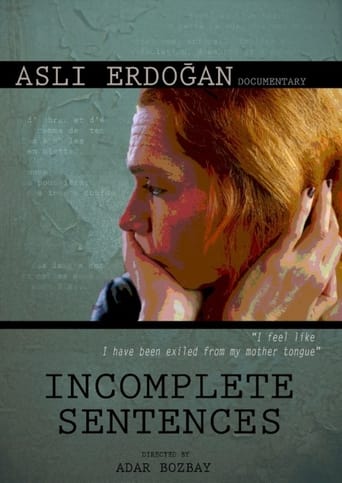
Aslı Erdoğan, world-renowned author and activist, has fallen into silence after she fled to Germany. Incomplete Sentences is a feature documentary on her literature and life, leading to exile in Frankfurt, after the Turkish regime’s oppression results in her unlawful imprisonment. Now, she struggles in exile while everybody is waiting for her to write again. Right after getting out of prison Aslı starts telling her story to the director, wandering in the streets of Istanbul she recites parts from her books and explains the stories behind. When Aslı goes to Germany to receive the Erich Maria Remarque Award she cannot return; thus her exile, which she likens to a semi-open prison, begins. As her health deteriorates and keeps her from writing, the tragedy in her books becomes her own reality.
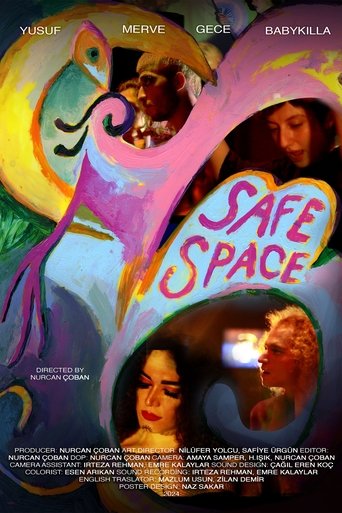
This documentary discusses how LGBTIQA+ people experience the streets and nightlife of Istanbul in terms of a safe space through the unique, yet common experiences of queers from different backgrounds, and focuses especially on nightlife and the issue of safe space there, which is a very critical area for queers to exist as they are.