

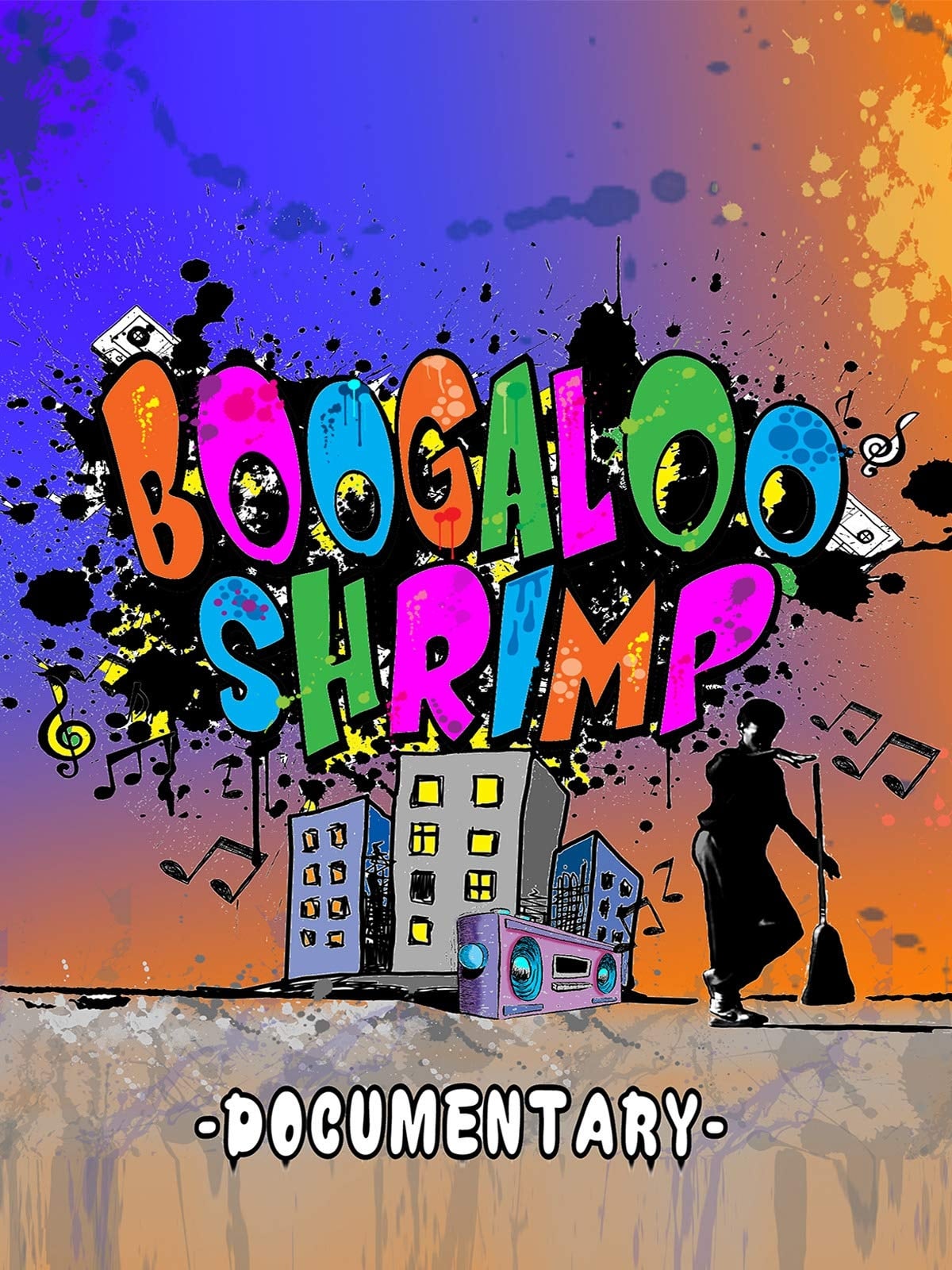
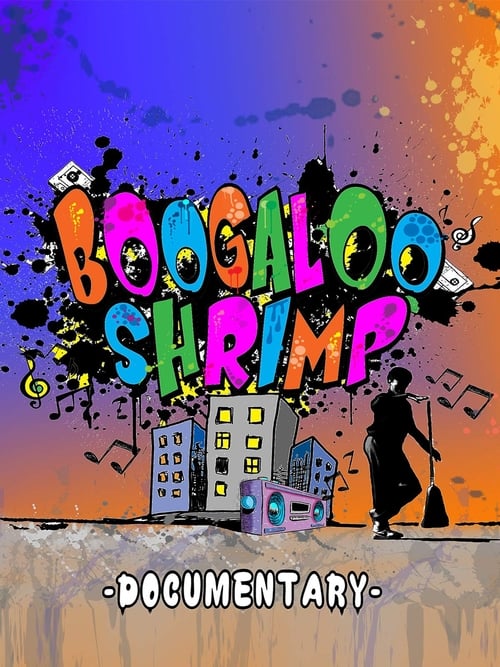
Boogaloo Shrimp Documentary
Documentary
Overview
he life story of Michael Chambers aka "Boogaloo Shrimp: the dancer, actor, singer, comedian and master of waving, ticking, backsliding and liquid animation dance during the 1980's breakdancing phenomenon.


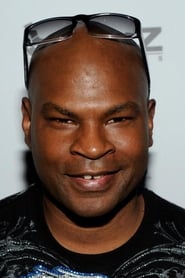
Michael Chambers
Michael Chambers
Himself
Michael Chambers
Himself
Frankie J
Frankie J
Himself
Frankie J
Himself
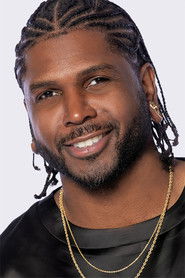
Cyrus Spencer
Cyrus Spencer
Himself
Cyrus Spencer
Himself
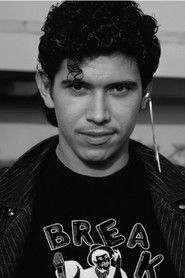
Bruno Falcon
Bruno Falcon
Himself
Bruno Falcon
Himself

Oliver Crumes Jr.
Oliver Crumes Jr.
Himself
Oliver Crumes Jr.
Himself
Kool Keith
Kool Keith
Himself
Kool Keith
Himself
Vidal Rodriguez
Vidal Rodriguez
Himself
Vidal Rodriguez
Himself
Newcleus
Newcleus
Himself
Newcleus
Himself
Mellow Man Ace
Mellow Man Ace
Himself
Mellow Man Ace
Himself
Michael Kaves
Michael Kaves
Himself
Michael Kaves
Himself
Similar Movies
Paul Robeson was a celebrated African-American Actor, Athlete, Singer, Writer, and Civil Rights Activist. Robeson's many achievements are chronicled in this program, ranging from playing with the NFL to graduating from Columbia Law School, performing on Broadway and in Hollywood films to founding the American Crusade against Lynching as well as Council on African Affairs. Robeson was one of the most talented performers of his time and a dedicated humanitarian who ultimately sacrificed fame and fortune for what he believed in. His association with Leftist Politics during the era of the Cold War, and frequent denouncing of American political parties led to his eventual blacklisting with other prominent writers and artists during the McCarthy Era. His talents in all areas are remarkable, and his dedication to attaining a peaceful coexistence between all the people of the world is truly admirable.
On Easter Sunday, 1939, contralto Marian Anderson stepped up to a microphone in front of the Lincoln Memorial. Inscribed on the walls of the monument behind her were the words “all men are created equal.” Barred from performing in Constitution Hall because of her race, Anderson would sing for the American people in the open air. Hailed as a voice that “comes around once in a hundred years” by maestros in Europe and widely celebrated by both white and black audiences at home, her fame hadn’t been enough to spare her from the indignities and outright violence of racism and segregation.
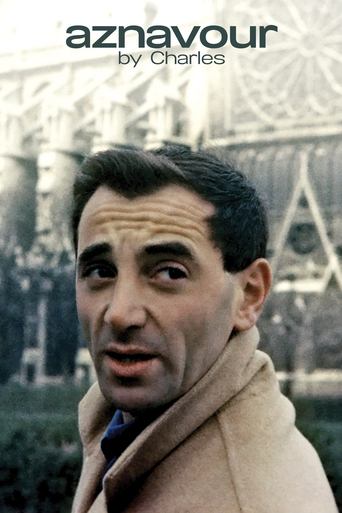
In 1948, French singer Charles Aznavour (1924-2018) receives a Paillard Bolex, his first camera. Until 1982, he will shoot hours of footage, his filmed diary. Wherever he goes, he carries his camera with him. He films his life and lives as he films: places, moments, friends, loves, misfortunes.
Bertolt Brecht asked whether there would be singing in the dark times. In the throes of war, the United Ukrainian Ballet Company defiantly insists there will be dancing, too. Far from the land they call home, young dancers take quiet comfort from art. For a while, their work feels like the old days, except there is a new troupe member: a soldier learning to dance with prosthetic legs.
In 1978, a young unknown singer with a flute-like voice captivated the world with Wuthering Heights, a song inspired by Emily Brontë's novel of the same name. Discovered by David Gilmour, guitarist with Pink Floyd, Kate Bush, aged 19, succeeded in imposing her choices on her record company: for the first time, a song composed by a woman reached the top of the UK charts.