

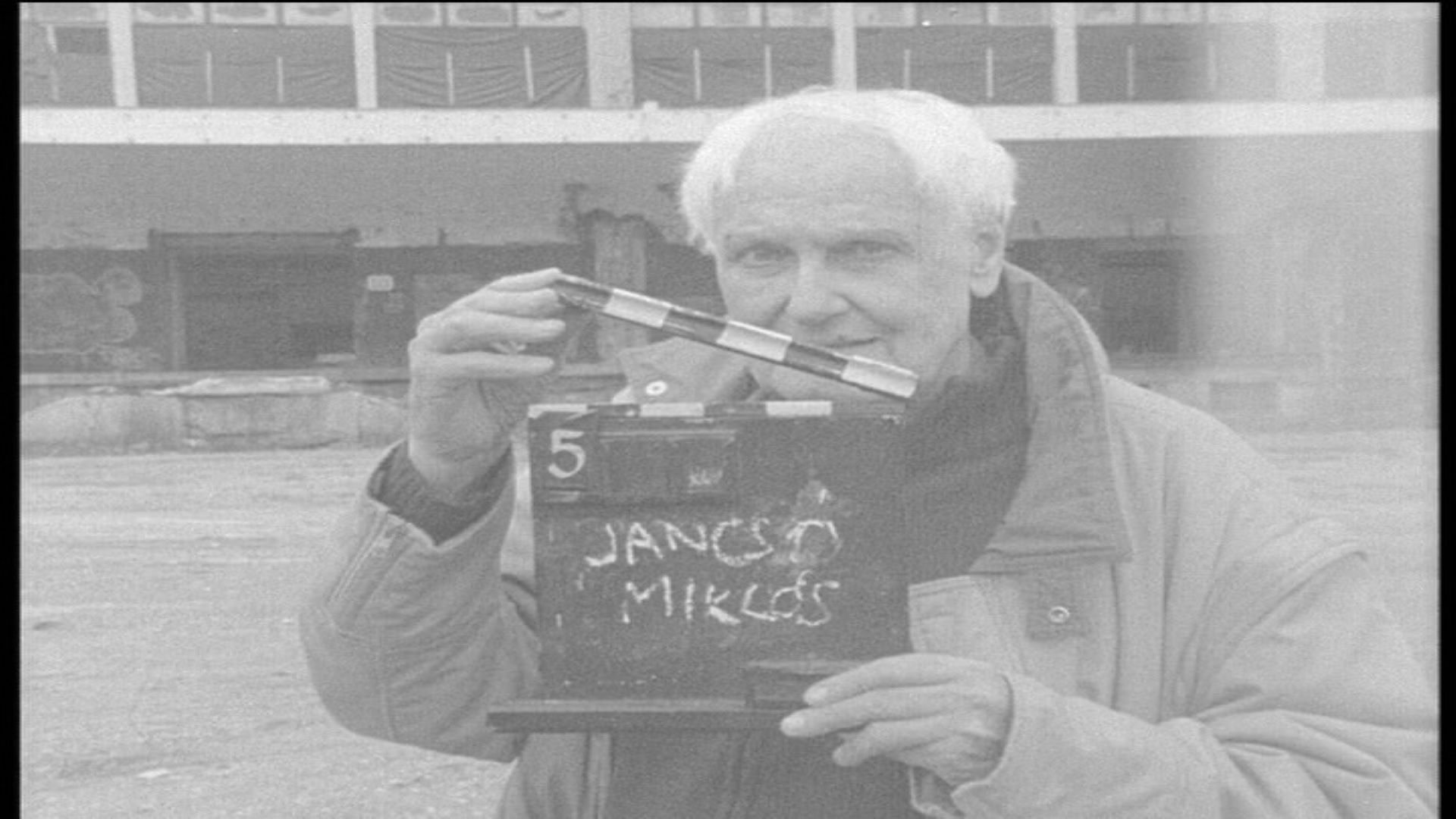
Negative history of Hungarian cinema
Documentary
Overview
Reconstructions of unrealized Hungarian films in cooperation with the greatest Hungarian film directors.

Ferenc András
Ferenc András
Self
Ferenc András
Self
István Bácskai Lauró
István Bácskai Lauró
Self
István Bácskai Lauró
Self
Tamás Banovich
Tamás Banovich
Self
Tamás Banovich
Self
István Dárday
István Dárday
Self
István Dárday
Self
Dömölky János
Dömölky János
Self
Dömölky János
Self

Judit Elek
Judit Elek
Self
Judit Elek
Self
Gyula Gazdag
Gyula Gazdag
Self
Gyula Gazdag
Self
Gyula Gulyás
Gyula Gulyás
Self
Gyula Gulyás
Self
János Gulyás
János Gulyás
Self
János Gulyás
Self
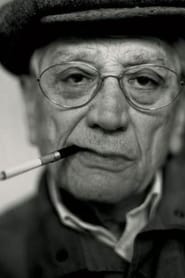
János Herskó
János Herskó
Self
János Herskó
Self
Similar Movies
A documentary chronicling the adolescent years of Elie Wiesel and the history of his sufferings. Eliezer was fifteen when Fascism brutally altered his life forever. Fifty years later, he returns to Sighetu Marmatiei, the town where he was born, to walk the painful road of remembrance - but is it possible to speak of the unspeakable? Or does Auschwitz lie beyond the capacity of any human language - the place where words and stories run out?
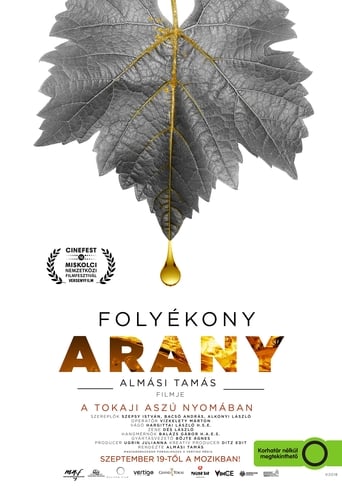
The Aszú of Tokaj, a sweet wine of Hungary, was once cherished by King Louis XIV, Queen Victoria, Peter the Great, Goethe and Beethoven. But the world has since forgotten the noble Aszú, two world wars, the enforced collectivisation of the Communist regime and the deadly filoxera epidemic had all wreaked havoc on the vines. Three dedicated heroes, one passion: to create The Great Wine that can return to the most refined tables of the world.
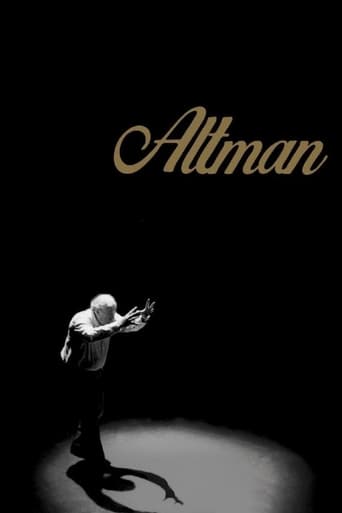
Robert Altman's life and career contained multitudes. This father of American independent cinema left an indelible mark, not merely on the evolution of his art form, but also on the western zeitgeist. With its use of rare interviews, representative film clips, archival images, and musings from his family and most recognizable collaborators, Altman is a dynamic and heartfelt mediation on an artist whose expression, passion and appetite knew few bounds.
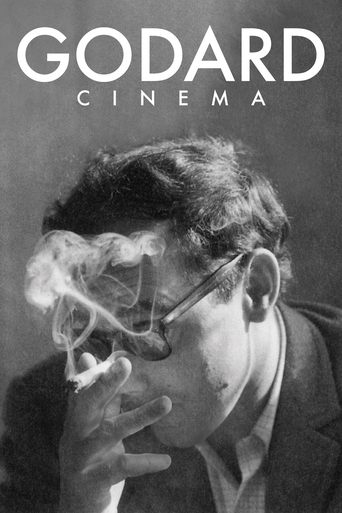
Jean-Luc Godard is synonymous with cinema. With the release of Breathless in 1960, he established himself overnight as a cinematic rebel and symbol for the era's progressive and anti-war youth. Sixty-two years and 140 films later, Godard is among the most renowned artists of all time, taught in every film school yet still shrouded in mystery. One of the founders of the French New Wave, political agitator, revolutionary misanthrope, film theorist and critic, the list of his descriptors goes on and on. Godard Cinema offers an opportunity for film lovers to look back at his career and the subjects and themes that obsessed him, while paying tribute to the ineffable essence of the most revered French director of all time.
This feature-length documentary brings together six of the rare television interviews given by Gilles Groulx between 1966 and 1983. Through these interviews, the filmmaker's ethical and aesthetic concerns are revealed. A striking coherence emerges in his thinking regarding his conception of cinema and the role the filmmaker should play in his culture and society.