

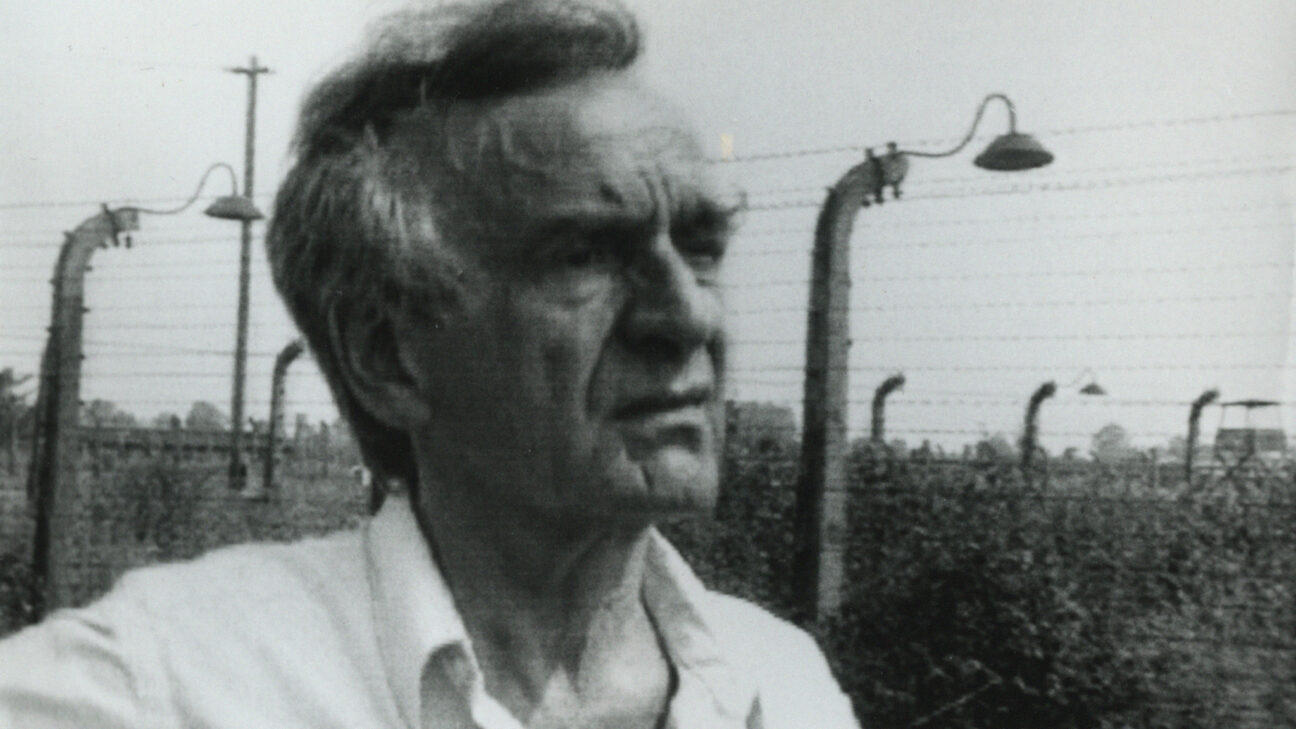

Elie Wiesel Goes Home
Documentary · History
Overview
A documentary chronicling the adolescent years of Elie Wiesel and the history of his sufferings. Eliezer was fifteen when Fascism brutally altered his life forever. Fifty years later, he returns to Sighetu Marmatiei, the town where he was born, to walk the painful road of remembrance - but is it possible to speak of the unspeakable? Or does Auschwitz lie beyond the capacity of any human language - the place where words and stories run out?







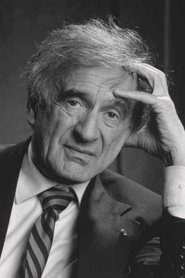
Elie Wiesel
Elie Wiesel
Self
Elie Wiesel
Self
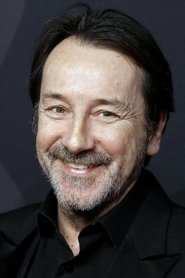
Jean-Hugues Anglade
Jean-Hugues Anglade
Narrator (voice)
Jean-Hugues Anglade
Narrator (voice)

William Hurt
William Hurt
Narrator (voice)
William Hurt
Narrator (voice)
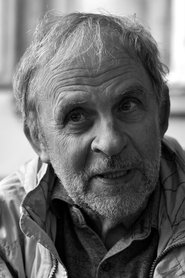
Tamás Fodor
Tamás Fodor
Narrator (voice)
Tamás Fodor
Narrator (voice)
Similar Movies

A historical drama focusing on Manuel L. Quezon years after the Philippine Revolution during the American occupation. When his fight for independence from the United States is put to the test, Quezon finds himself playing the brutal game of politics to outmaneuver his rivals — including Leonard Wood, Sergio Osmeña, and Joven Hernando. In Quezon’s relentless quest for power, he ultimately faces off with Emilio Aguinaldo in the 1935 presidential elections, using charm and favoritism as both weapons and currency, in a campaign that ultimately changes the face of Philippine politics and history.
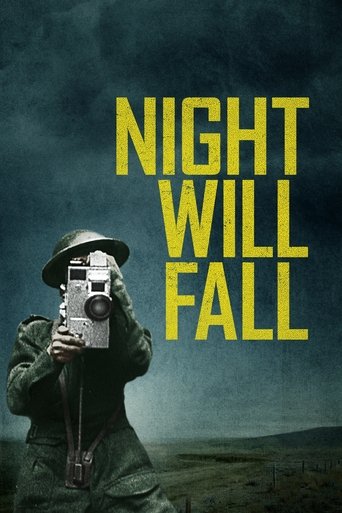
When Allied forces liberated the Nazi concentration camps in 1944-45, their terrible discoveries were recorded by army and newsreel cameramen, revealing for the first time the full horror of what had happened. Making use of British, Soviet and American footage, the Ministry of Information’s Sidney Bernstein (later founder of Granada Television) aimed to create a documentary that would provide lasting, undeniable evidence of the Nazis’ unspeakable crimes. He commissioned a wealth of British talent, including editor Stewart McAllister, writer and future cabinet minister Richard Crossman – and, as treatment advisor, his friend Alfred Hitchcock. Yet, despite initial support from the British and US Governments, the film was shelved, and only now, 70 years on, has it been restored and completed by Imperial War Museums under its original title "German Concentration Camps Factual Survey".
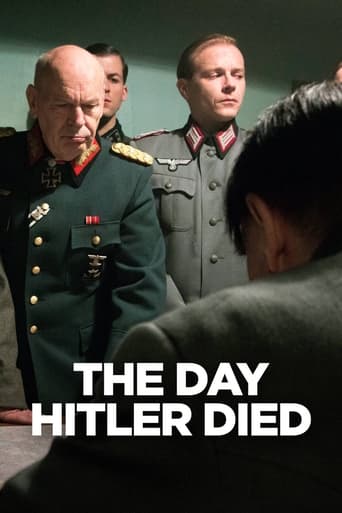
The story of Hitler’s final hours told by people who were there. This special features exclusive forgotten interviews, believed lost for 65 years, with members of Hitler’s inner circle who were trapped with him in his bunker as the Russians fought to take Berlin. These unique interviews from figures such as the leader of the Hitler Youth Artur Axmann and Hitler’s secretary Traudl Junge, have never before been seen outside Germany. Using rarely seen archive footage and dramatic reconstruction, this special tells the story of Adolf Hitler’s final days in his Berlin bunker.
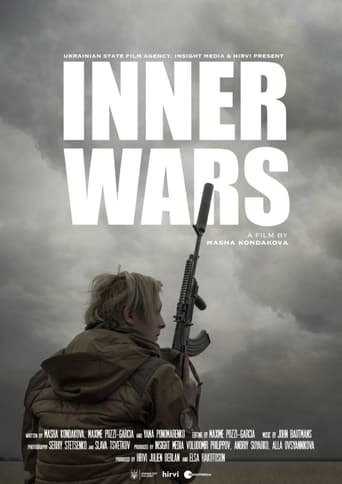
Since the uprising of a pro Russian insurgency in eastern Ukraine in 2014, hundreds of women joined the army. Only a few made it to the front line. Filmmaker Masha embeds herself in the war zone to follow the daily life of three of them. By sharing the intimacy of these fighters, Masha soon becomes a victim of this brotherhood conflict jeopardizing this film and her life.