

Dans le vent
Documentary
Overview
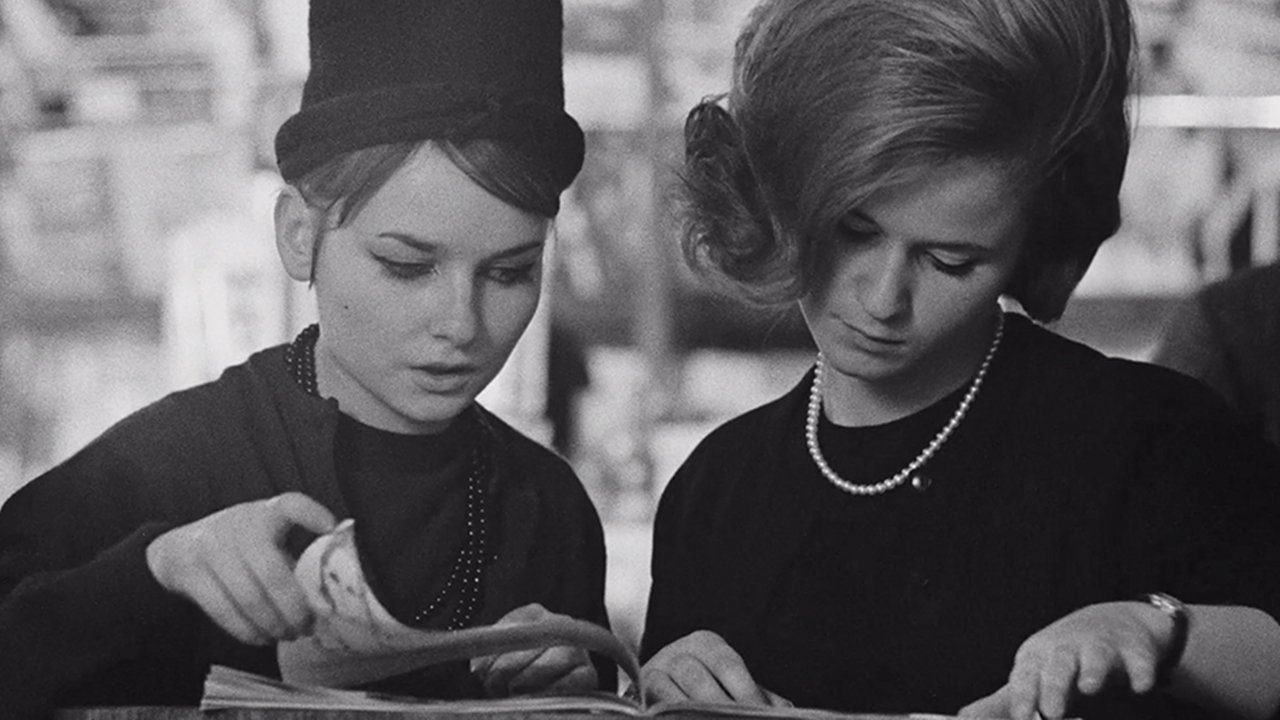
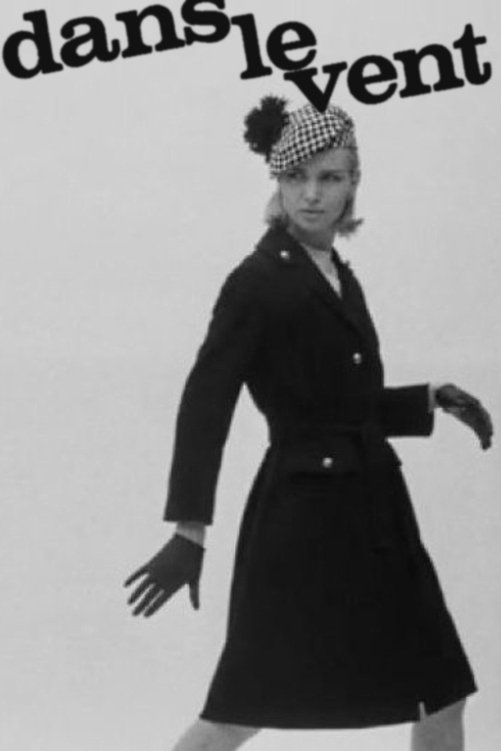
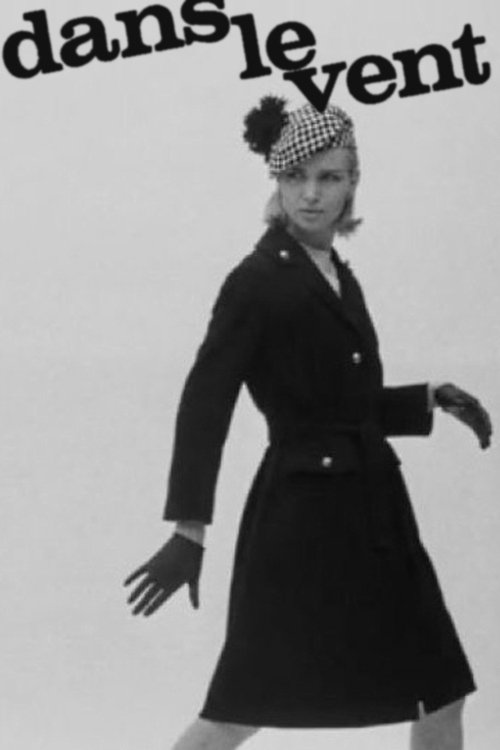
Short subject on how fashion is created-- not by the great couturiers, but on the street.


Berthe Granval
Berthe Granval
Narrator (voice)
Berthe Granval
Narrator (voice)

Jean Lescot
Jean Lescot
Narrator (voice)
Jean Lescot
Narrator (voice)
Similar Movies
The architectural plans for Berlin from 1938 are used as an example to illustrate the fascist claim to power and its aesthetic effect. The basis for this was the "General Building Inspection" under the direction of Albert Speer, whose enormous projects are illustrated by planning models and archive photographs.
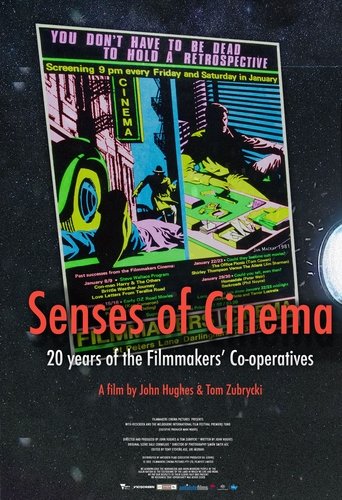
As notions of civil rights transformed across the world, so was the screen landscape reformed by the ascension of grassroots film movements seeking to challenge the mainstream. Some aspired to push form to its limit; others worked to destabilise what they saw as a homogenous industry, or to provoke questions around gender, sexuality, migration and race.
This film undertakes a journey into the amazing parallel universe of East Berlin’s fashion designers and experts in the art of survival. For, in the midst of the constraints of life in the GDR, there existed a fantasy world where it was possible to dance to another tune, be individual and even provocative. The most important characteristic of this bohemian scene was one’s per- sonal style. But this certainly wasn’t something that could be bought off the peg in the GDR. In this parallel universe it was up to you to create your own individual image – with your own hands. This film tells the story of the desires, the passion and the dreams that were tried and tested, lived and performed in the shadow of the Berlin Wall.
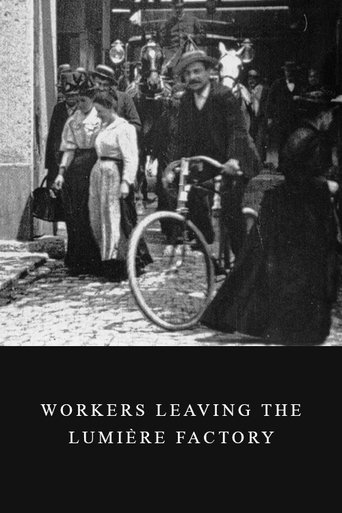
Working men and women leave through the main gate of the Lumière factory in Lyon, France. Filmed on 22 March 1895, it is often referred to as the first real motion picture ever made, although Louis Le Prince's 1888 Roundhay Garden Scene pre-dated it by seven years. Three separate versions of this film exist, which differ from one another in numerous ways. The first version features a carriage drawn by one horse, while in the second version the carriage is drawn by two horses, and there is no carriage at all in the third version. The clothing style is also different between the three versions, demonstrating the different seasons in which each was filmed. This film was made in the 35 mm format with an aspect ratio of 1.33:1, and at a speed of 16 frames per second. At that rate, the 17 meters of film length provided a duration of 46 seconds, holding a total of 800 frames.