

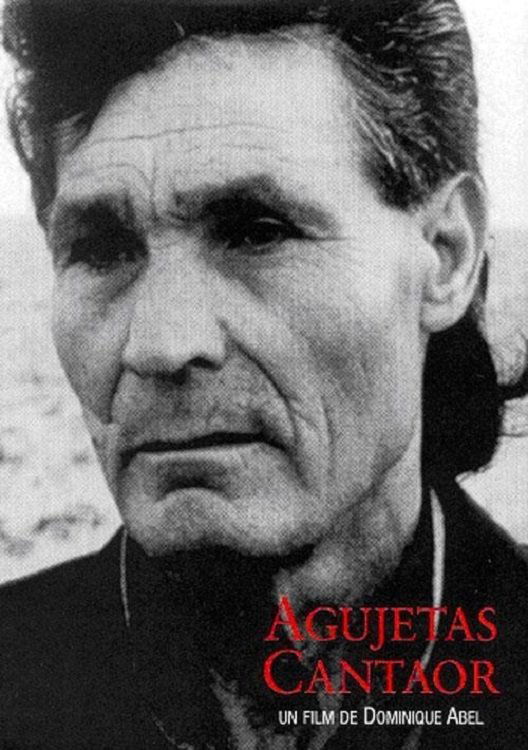
Agujetas Cantaor
Documentary
Overview
Documentary based on the figure of Manuel Agujetas (Manuel de los Santos Pastor 1939-2015), mythical cantaor and one of the last representatives of the Flamenco de Jerez school. Essential figure of flamenco.


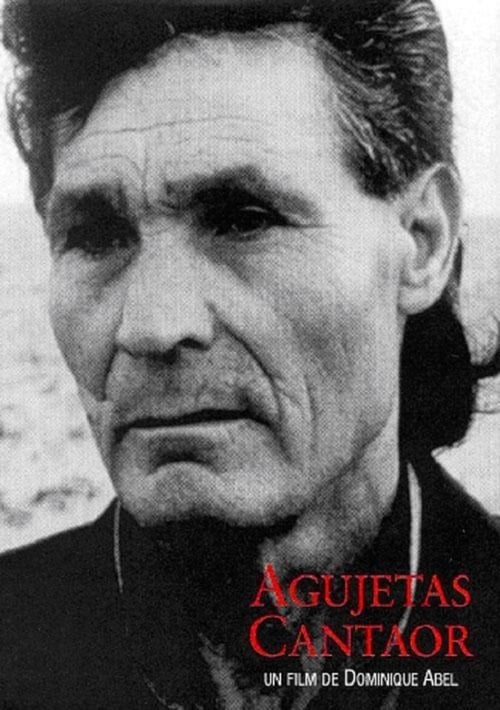
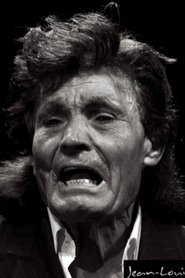
Manuel Agujetas
Manuel Agujetas
Self
Manuel Agujetas
Self
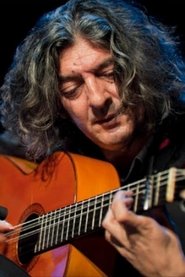
Moraíto Chico
Moraíto Chico
Self
Moraíto Chico
Self
Similar Movies
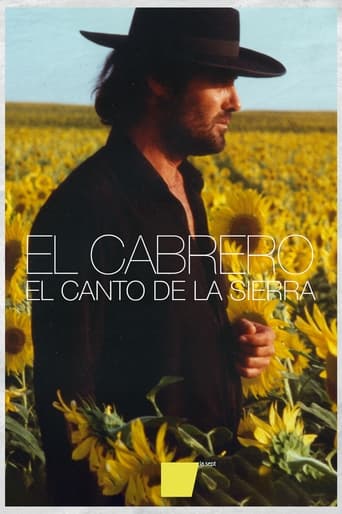
Documentary portrait of José Domínguez Muñoz, better known as "El Cabrero" (French for "the goatherd"), Spanish libertarian flamenco singer born in Aznalcóllar, province of Seville, in 1944 and filmed over two weeks in 1988 in Seville, Aznalcóllar, La Carbonería de Sevilla and Marinaleda, and in concert at a recital in Bayonne. Politically committed, El Cabrero defines himself as a libertarian. Since the 1970s, he has been close to the anarchist movement. For many years, he was a member of the anarcho-syndicalist Confédération Nationale du Travail.
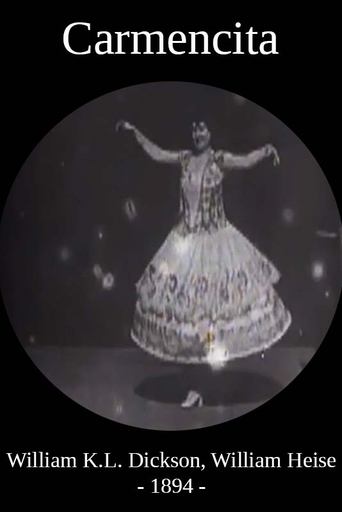
The first woman to appear in front of an Edison motion picture camera and possibly the first woman to appear in a motion picture within the United States. In the film, Carmencita is recorded going through a routine she had been performing at Koster & Bial's in New York since February 1890.
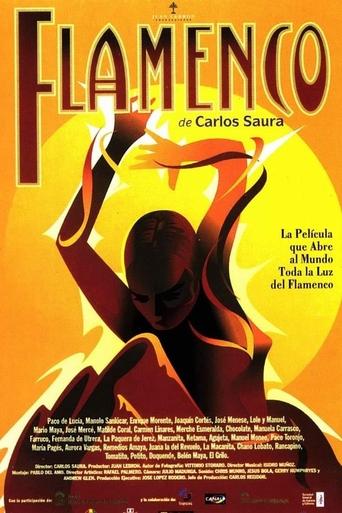
The film presents thirteen rhythms of flamenco, each with song, guitar, and dance: the up-tempo bularías, a brooding farruca, an anguished martinete, and a satiric fandango de huelva. There are tangos, a taranta, alegrías, siguiriyas, soleás, a guajira of patrician women, a petenera about a sentence to death, villancicos, and a final rumba.
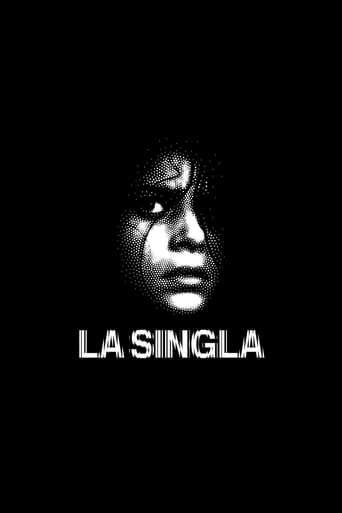
In the 1960s, a young Spanish flamenco dancer named Antonia Singla captivated audiences with her strikingly passionate performances. Having lost her hearing at a young age, La Singla rose to fame with her commanding presence through a combination of her powerful gaze and thunderous movement. However, just at the height of her fame, she seemingly disappeared and decades later has been all but forgotten. When a young woman in Seville comes across La Singla’s story, a bigger picture starts to be unveiled. Through research, interviews and captivating archival footage, she starts to piece together the legend of La Singla. Through the beauty of her performances and the heartbreak of her story, La Singla celebrates and preserves the legacy of one of the greatest Flamenco dancers of all time.
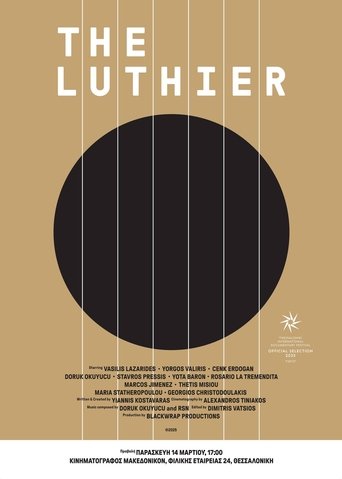
The isolation of the Greek countryside combined with the lifestyle that a musical instrument maker leads, a lifestyle that many would consider peculiar, creates an interesting reality, one that is simple, yet unconventional. A portrait that will introduce us to the world of flamenco, uniting cultures and musical traditions around the world.
A musical, and also a reflection on watching, on trying to escape an anthropocentric gaze and also on watching itself in cinema. Featuring mares and horses: Triana, Víctor K, Bambi Sailor, San Special Solano, Buck Red Skin, Onkaia, Cool Boy, the donkey Agostino, the mule Guapa. And also Alfredo Lagos, Raül Refree, María Marín, Pepe Habichuela, Virgina García del Pino, María García Ruiz, Pilar Monsell, María Pérez Sanz.
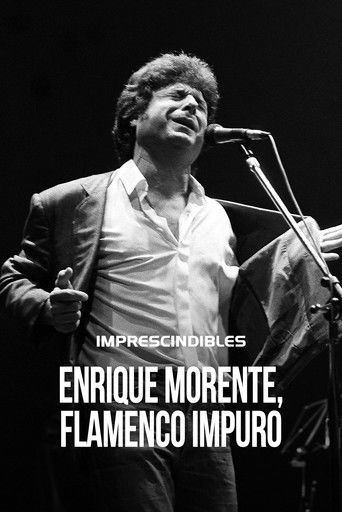
Enrique Morente's three sons tell the story of their father: the most revolutionary flamenco in history. Despite criticism from purists, he opened cante jondo to cultured poetry, brought it closer to young university students, explored its Arab roots and paired it with rock and other contemporary sounds. Much of the Spanish music of the last decades is heir to his findings.