


Music · Documentary
Overview
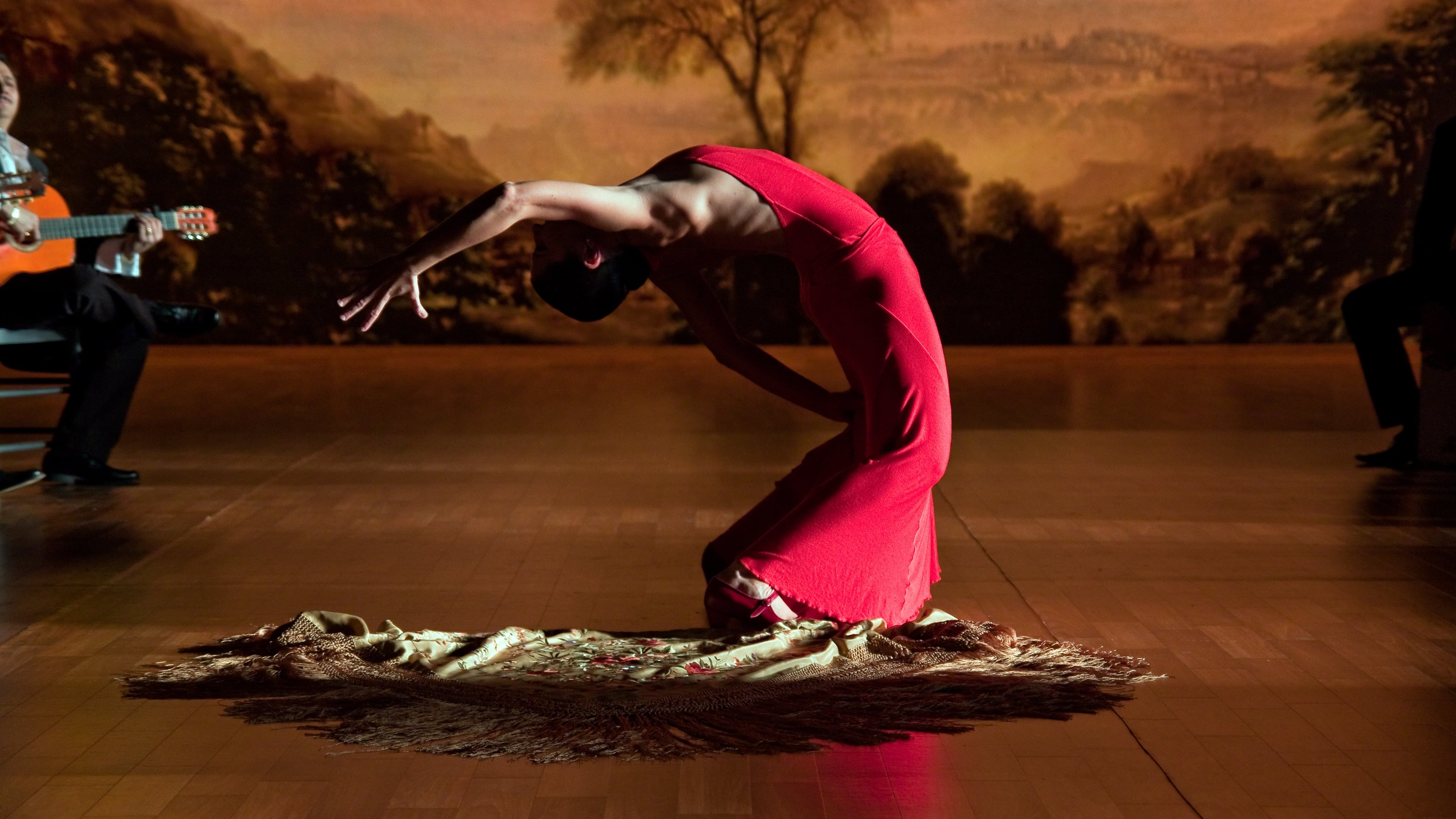
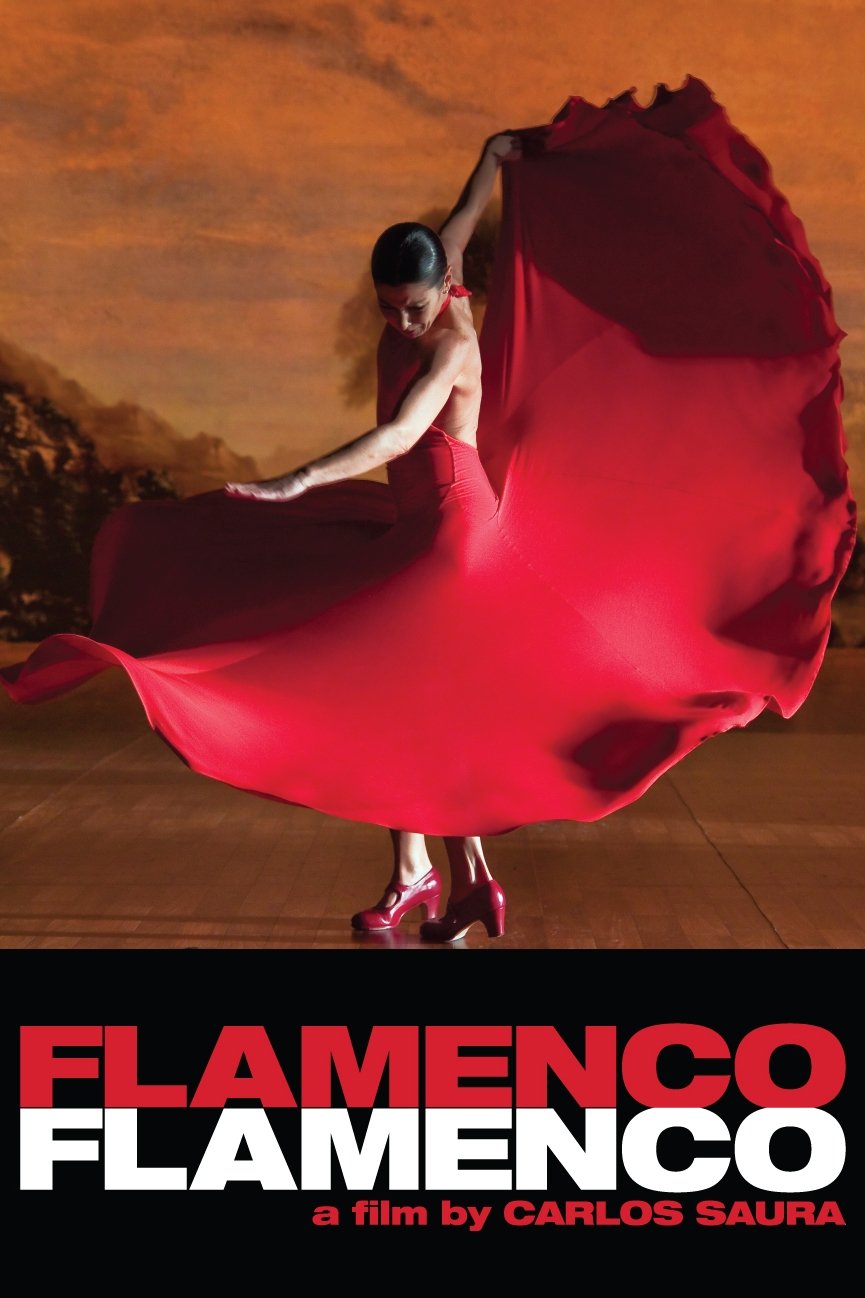
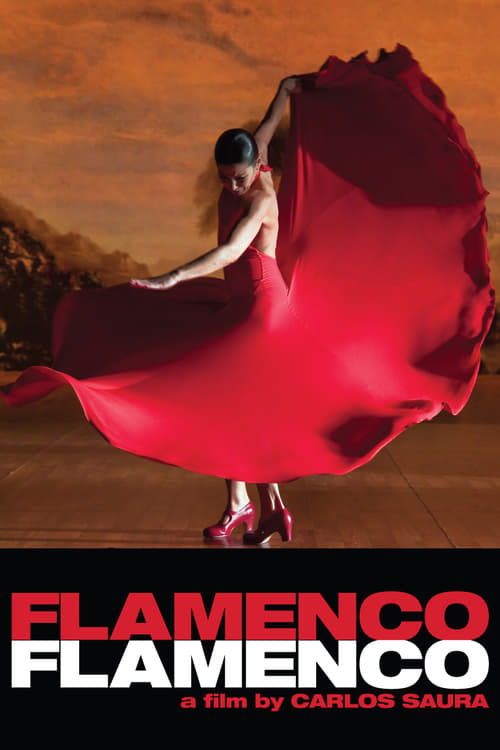
A look at the history and traditions of flamenco music and dance.



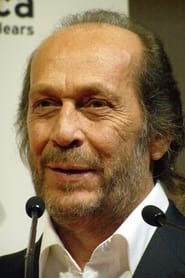
Paco de Lucía
Paco de Lucía
Himself
Paco de Lucía
Himself

Niña Pastori
Niña Pastori
Herself
Niña Pastori
Herself
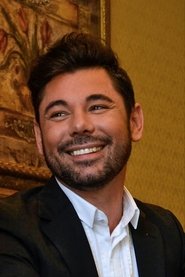
Miguel Poveda
Miguel Poveda
Himself
Miguel Poveda
Himself
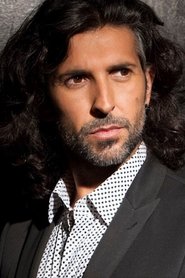
Arcángel
Arcángel
Himself
Arcángel
Himself

Eva la Yerbabuena
Eva la Yerbabuena
Herself
Eva la Yerbabuena
Herself
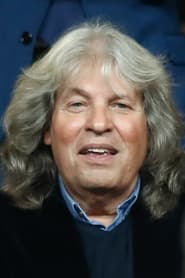
José Mercé
José Mercé
Himself
José Mercé
Himself
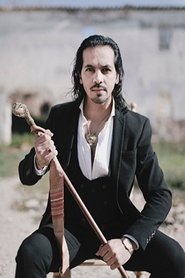
Farruquito
Farruquito
Himself
Farruquito
Himself

Sara Baras
Sara Baras
Herself
Sara Baras
Herself
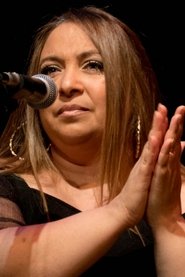
Montse Cortés
Montse Cortés
Herself
Montse Cortés
Herself
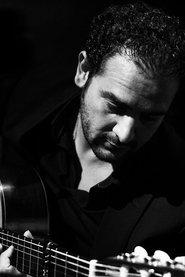
Diego del Morao
Diego del Morao
Himself
Diego del Morao
Himself
Similar Movies
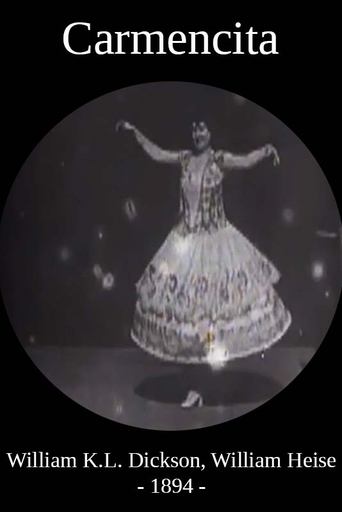
The first woman to appear in front of an Edison motion picture camera and possibly the first woman to appear in a motion picture within the United States. In the film, Carmencita is recorded going through a routine she had been performing at Koster & Bial's in New York since February 1890.
Filmed like a documentary, "Sevillanas" consists of eleven short performances by Spain's most famous flamenco dancers, singers and guitarists. Saura, well-known for his flamenco films ("Blood Wedding," "Carmen"), here provides an in-depth look at the Sevillanas form of flamenco and its dancers.
In a Gypsy village, the fathers of Candela and José promise their children to each other. Years later, the unfaithful José marries Candela but while defending his lover Lucía in a brawl, he is stabbed to death. Carmelo, who secretly loves Candela since he was a boy, is arrested while helping José and unfairly sent to prison. Four years later he is released and declares his love for Candela. However, the woman is cursed by a bewitched love and every night she goes to the place where José died to dance with his ghost.
The film presents thirteen rhythms of flamenco, each with song, guitar, and dance: the up-tempo bularías, a brooding farruca, an anguished martinete, and a satiric fandango de huelva. There are tangos, a taranta, alegrías, siguiriyas, soleás, a guajira of patrician women, a petenera about a sentence to death, villancicos, and a final rumba.
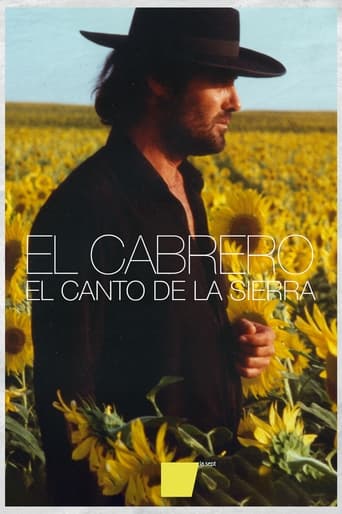
Documentary portrait of José Domínguez Muñoz, better known as "El Cabrero" (French for "the goatherd"), Spanish libertarian flamenco singer born in Aznalcóllar, province of Seville, in 1944 and filmed over two weeks in 1988 in Seville, Aznalcóllar, La Carbonería de Sevilla and Marinaleda, and in concert at a recital in Bayonne. Politically committed, El Cabrero defines himself as a libertarian. Since the 1970s, he has been close to the anarchist movement. For many years, he was a member of the anarcho-syndicalist Confédération Nationale du Travail.
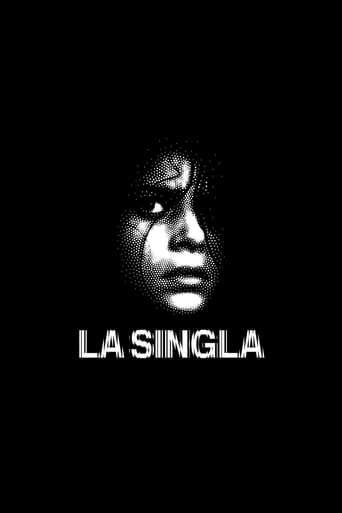
In the 1960s, a young Spanish flamenco dancer named Antonia Singla captivated audiences with her strikingly passionate performances. Having lost her hearing at a young age, La Singla rose to fame with her commanding presence through a combination of her powerful gaze and thunderous movement. However, just at the height of her fame, she seemingly disappeared and decades later has been all but forgotten. When a young woman in Seville comes across La Singla’s story, a bigger picture starts to be unveiled. Through research, interviews and captivating archival footage, she starts to piece together the legend of La Singla. Through the beauty of her performances and the heartbreak of her story, La Singla celebrates and preserves the legacy of one of the greatest Flamenco dancers of all time.

Caco is a proud, handsome man, head of a family, and very powerful in the local community. Yet he has been torn to pieces by the death of his beloved daughter. He constantly visits her grave, weeps silently at her photo and has transferred all his wildly protective love and attention onto his mentally challenged nephew, Diego. It seems that Diego's father, Caco's brother, is in hiding after having killed a man from the Caravaca family, who are equally powerful in the community. They are looking for vengeance and have come to Caco for justice. When he refuses to betray his brother, the Caravacas grow impatient. When they realize they are getting nowhere, they threaten to kill Diego. Despite his fierce pride, Caco eventually realizes that the cycle of killing and revenge must be broken. But how can he achieve this and protect everyone he loves?
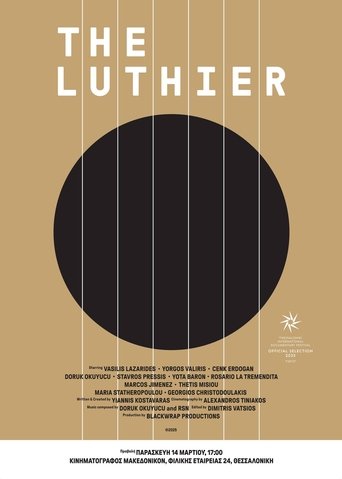
The isolation of the Greek countryside combined with the lifestyle that a musical instrument maker leads, a lifestyle that many would consider peculiar, creates an interesting reality, one that is simple, yet unconventional. A portrait that will introduce us to the world of flamenco, uniting cultures and musical traditions around the world.