

L'Abolition
TV Movie · History
Overview
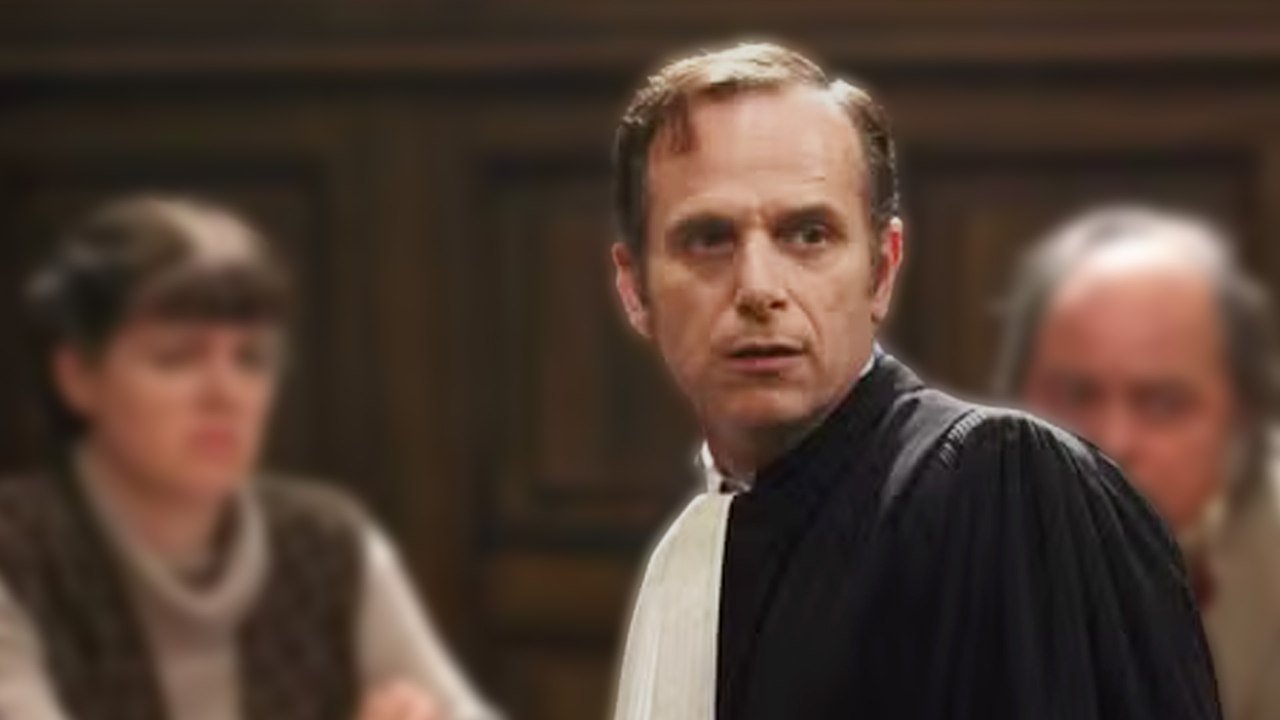
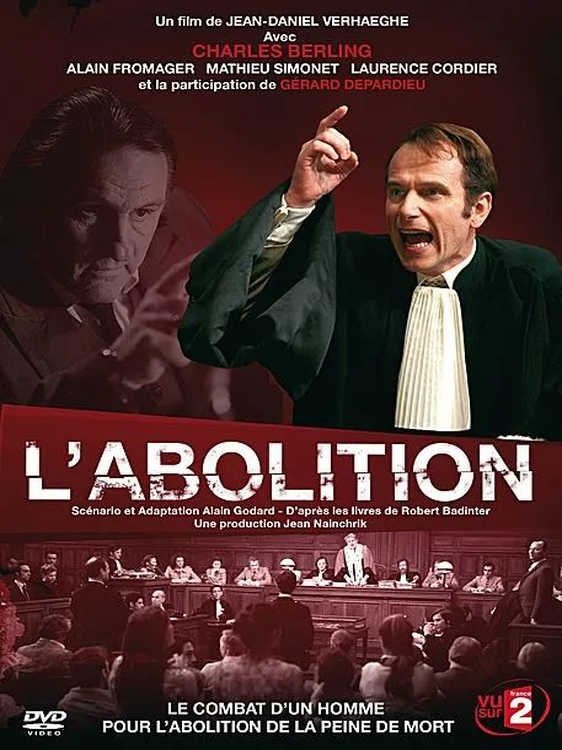
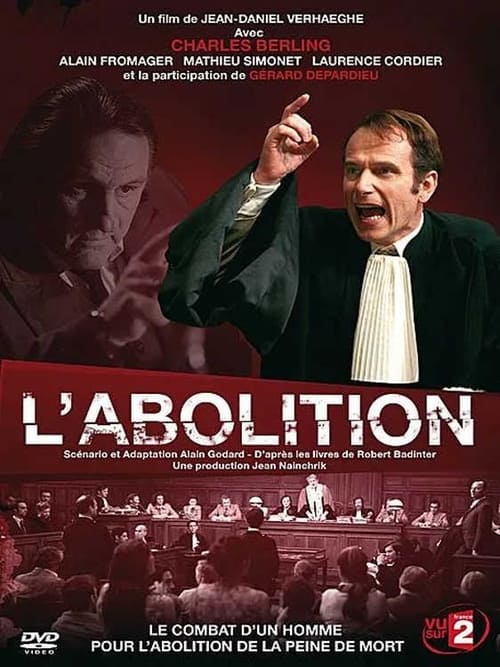
The story of Robert Badinter who was the major architect of the abolition of the death penalty in France .
Top Cast
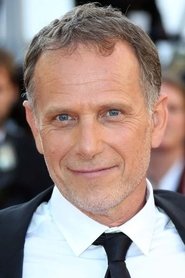
Charles Berling
Robert Badinter

Didier Bezace
Le président de la cour d'assises lors du procès Bontems
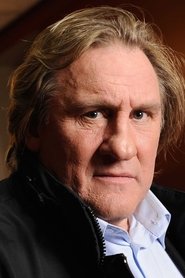
Gérard Depardieu
Henry Torrès

Edwin Krüger
L'assesseur du président de la cour d'assises

Laurence Cordier
Élisabeth Badinter
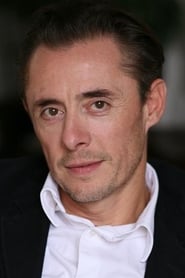
Alain Fromager
Philippe Lemaire
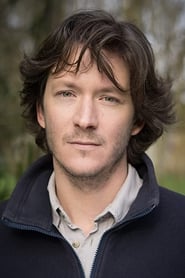
Mathieu Simonet
François Binet
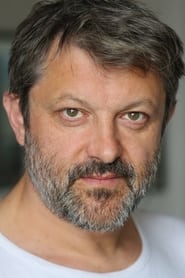
Marc Bodnar
Roger Bontems
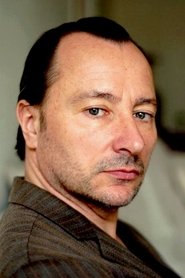
Thierry Gibault
Claude Buffet
Philippe Uchan
l'avocat général à Troyes

Quentin Ogier
Patrick Henry
Sören Prévost
le journaliste d'Est-Éclair






Charles Berling
Charles Berling
Robert Badinter
Charles Berling
Robert Badinter
Didier Bezace
Didier Bezace
Le président de la cour d'assises lors du procès Bontems
Didier Bezace
Le président de la cour d'assises lors du procès Bontems
Gérard Depardieu
Gérard Depardieu
Henry Torrès
Gérard Depardieu
Henry Torrès
Edwin Krüger
Edwin Krüger
L'assesseur du président de la cour d'assises
Edwin Krüger
L'assesseur du président de la cour d'assises
Laurence Cordier
Laurence Cordier
Élisabeth Badinter
Laurence Cordier
Élisabeth Badinter
Alain Fromager
Alain Fromager
Philippe Lemaire
Alain Fromager
Philippe Lemaire
Mathieu Simonet
Mathieu Simonet
François Binet
Mathieu Simonet
François Binet
Marc Bodnar
Marc Bodnar
Roger Bontems
Marc Bodnar
Roger Bontems
Thierry Gibault
Thierry Gibault
Claude Buffet
Thierry Gibault
Claude Buffet
Philippe Uchan
Philippe Uchan
l'avocat général à Troyes
Philippe Uchan
l'avocat général à Troyes
Similar Movies

In Paris in full German occupation in 1942, a Jewish child Isaac escapes a raid organized by the SS. He then took refuge in the Great Mosque of Paris. The imam decides to protect him by passing him off as a Muslim, as well as the other Jewish children that he manages to free with the help of the resistance networks. The French militia and the Gestapo have suspicions... This fiction film is based on the true story of the rector of the Paris mosque, Si Kaddour Benghabrit, who saved several Jews from deportation during the Second World War.
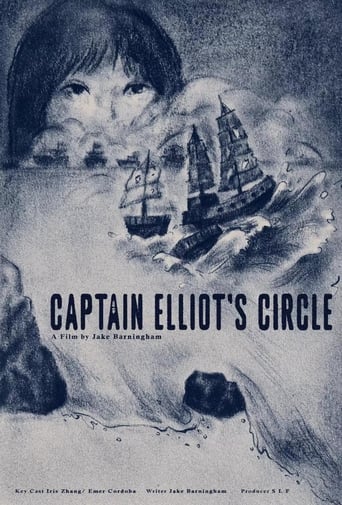
Equal parts documentary, essay, and narrative,"Captain Elliot's Circle" is mostly a poetic interaction with an obscure corner of Chinese and British history. Constructed using primary source documents about the taking of Zhoushan, Britain's first choice for a seaport, in the late 1830s,this movie uses Captain Charles Elliot's reluctance to brutalize the Chinese to reflect on the cyclical nature of history and the power structures that move it. The long takes used throughout function to illustrate the dramatically different ways in which people who lived in the mid-19th century perceived time. Additionally, it represents the psychological effect of living on an island regardless of what era you were born in.The last third of the movie focuses on a young woman whose strange day job has taken her far away from the island of Zhoushan generations after Captain Charles Elliot was last there. "Captain Elliot's Circle" was shot on location in Zhoushan and Hangzhou.

In 1958 in Paris, during the Algerian War, a young trainee lawyer, Maître Chabrier, was assigned to defend an Algerian garbage collector against paratroopers who had beaten him. Stay out of Algerian affairs, his peers advise him because the trial is taking a political turn. Chabrier acquired the reputation of the Fellaghas' lawyer.
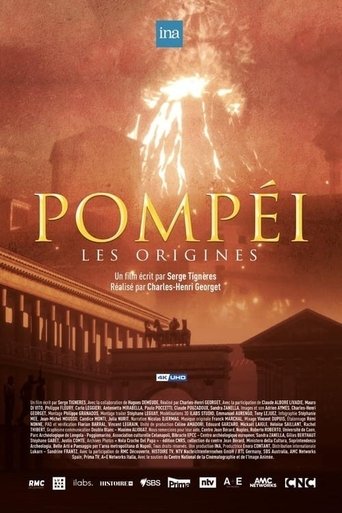
For the first time, and thanks to new archaeological excavations, this documentary reveals how Pompeii, the pride of its builders, developed, from its origins at the end of the seventh century BC until the eruption of Vesuvius in 79 AD. The use of CGI and 3D mapping provides a very clear view of this ancient superstructure and eight centuries of urban evolution. We will revive this great historical fresco through accounts by international archaeologists and historians. Pompeii: The Origins is a journey to the heart of an ancient ‘motion designed’ city.
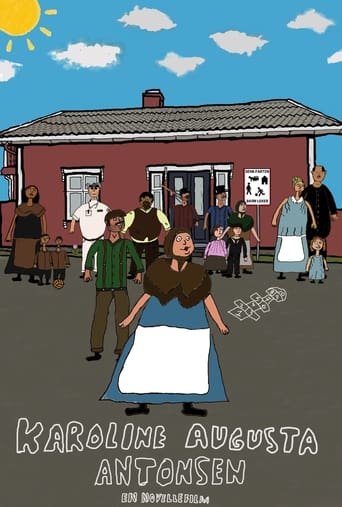
Born into a family of farmers in the mid-19th century, Karoline Augusta Antonsen moves to a nearby industrial city in her late teens, driven by the dream of building a large family and owning a big house. This short film follows her journey of hope, and her struggle to survive in a tough economy. Will she achieve her lifelong ambition or will her story end in tragedy?
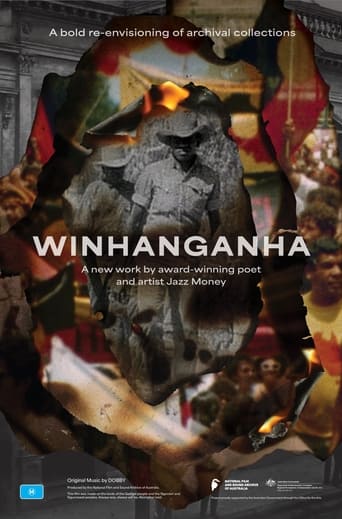
WINHANGANHA (Wiradjuri language: Remember, know, think) - is a lyrical journey of archival footage and sound, poetry and original composition. It is an examination of how archives and the legacies of collection affect First Nations people and wider Australia, told through the lens of acclaimed Wiradjuri artist, Jazz Money.