

Ingmar Bergman Through the Choreographer's Eye
Documentary
Overview
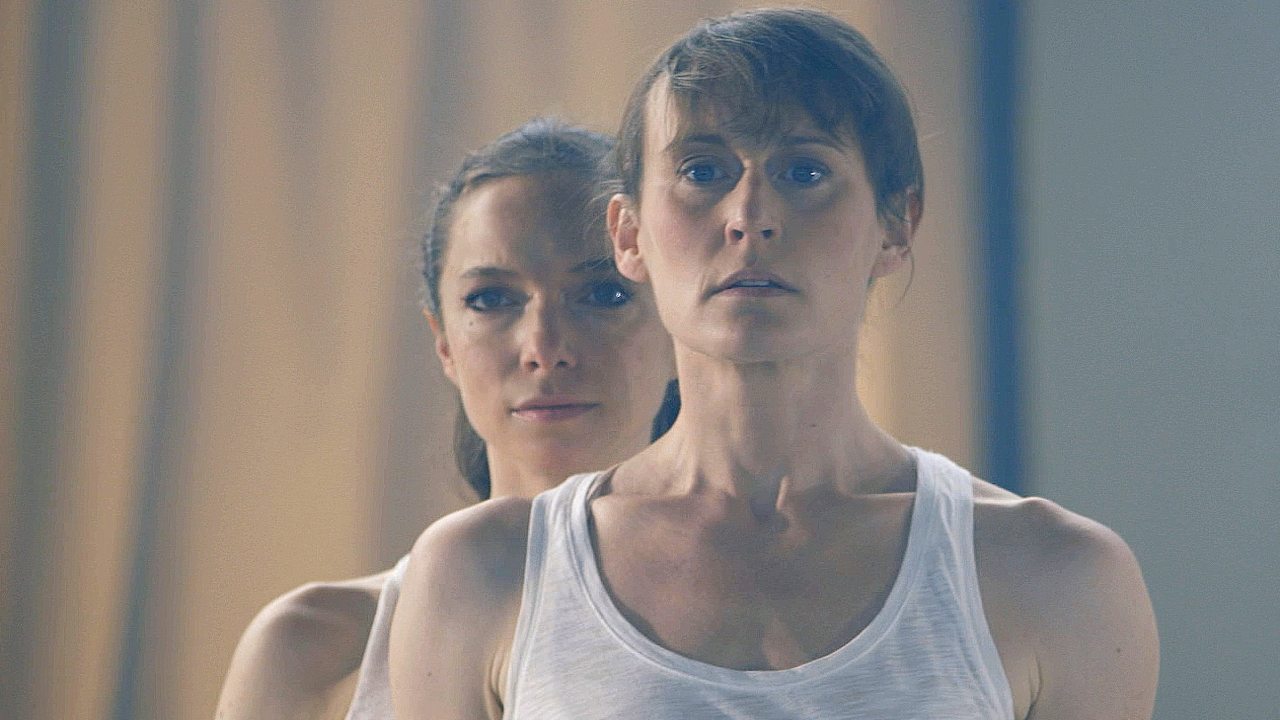
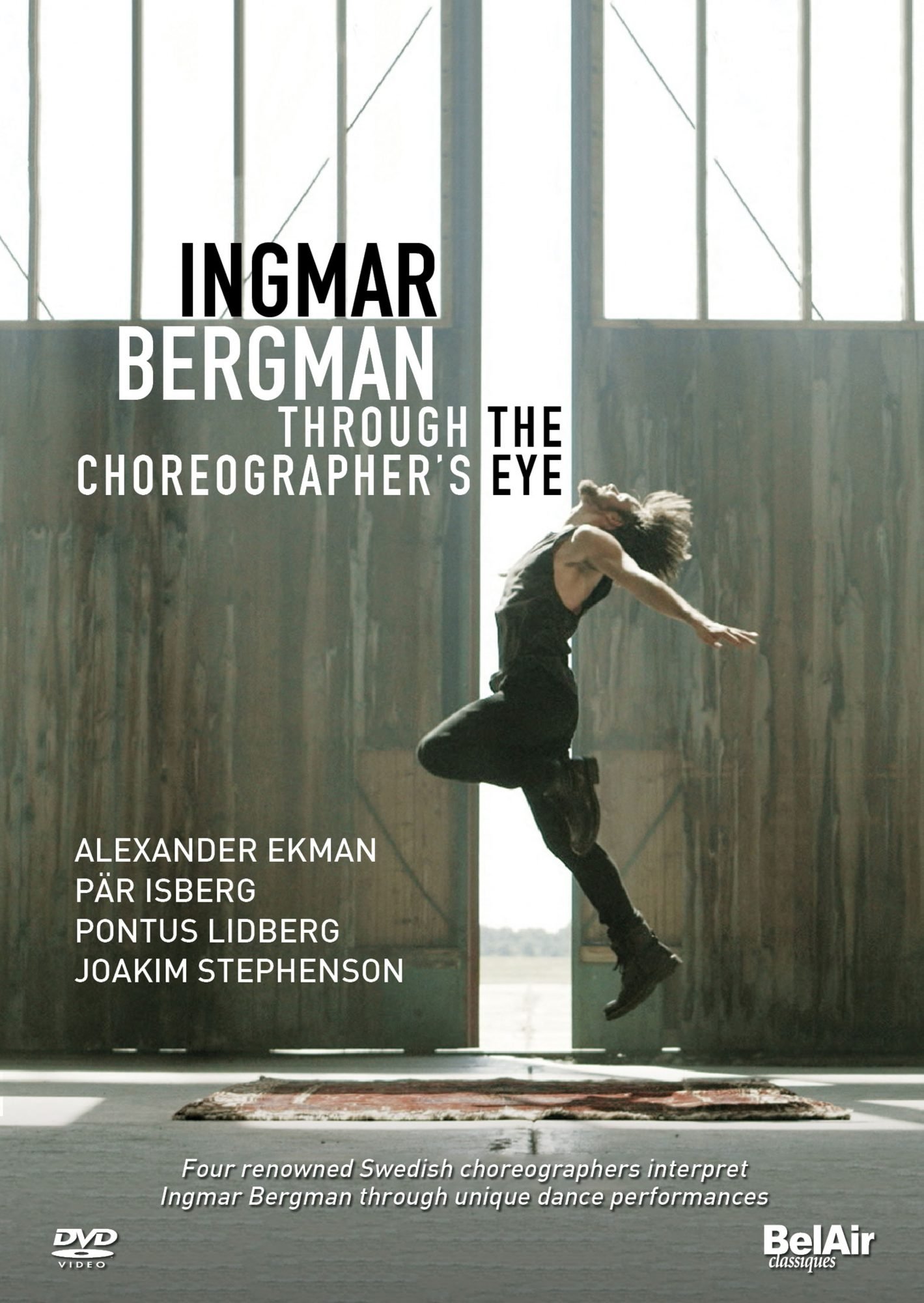
Four of Sweden's most innovative choreographers travel to Ingmar Bergman's home on Fårö to explore and get inspired. The result is a unique contemporary dance film.The renowned Swedish choreographers Alexander Ekman, Pär Isberg, Pontus Lidberg and Joakim Stephenson, with principal dancers Jenny Nilson, Nathalie Nordquist, Oscar Salomonsson and Nadja Sellrup from the Royal Swedish Ballet, interpret Ingmar Bergman through four unique dance performances reflecting on human relations and intense feelings. The dances are linked together with images of the epic natural beauty of Fårö and Bergman's poetic home Hammars, including the voice of the master himself - Ingmar Bergman - revealing his thoughts about movements and music.



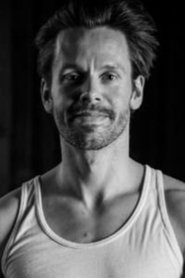
Alexander Ekman
Alexander Ekman
Alexander Ekman
Pär Isberg
Pär Isberg
Pär Isberg

Pontus Lidberg
Pontus Lidberg
Pontus Lidberg
Joakim Stephenson
Joakim Stephenson
Joakim Stephenson
Nadja Sellrup
Nadja Sellrup
Nadja Sellrup
Nathalie Nordquist
Nathalie Nordquist
Nathalie Nordquist
Oscar Salomonsson
Oscar Salomonsson
Oscar Salomonsson
Jenny Nilson
Jenny Nilson
Jenny Nilson

Stina Ekblad
Stina Ekblad
(voice)
Stina Ekblad
(voice)
Similar Movies
While most of Ken Russell's documentaries for the BBC's Monitor arts strand focused on a single creative figure, he would also occasionally make more wide-ranging surveys of the state of a particular art. The Light Fantastic (BBC, tx. 18/12/1960) was written and presented by Ron Hitchins, a Cockney barrow boy who has long been interested in a great many dance forms, and who has recently taken up Spanish dancing. Hitchins participates in some of the dance sequences, but his main contribution is an enthusiastic commentary that helps personalise what could have been simply a disparate collection of dance footage. He's not shy about expressing likes and dislikes, being none too keen on ballroom dancing (too choreographed), rock'n'roll (too monotonous) and Morris dancing (just doesn't like it), though anything genuinely spontaneous gets a thumbs up, even if it's a room full of people dressed in black swaying to the sound of a gong.
A film that immerses its audience in subjective states of consciousness they might experience when they die, imagining what they can see and think and hear in a seamless but fragmentary flow of poetic images, words and music. The viewer undertakes a journey into their own interior world of dreams and projections in which time and space, and cause and effect logic, are turned on their heads. Text Messages from the Universe is inspired by The Tibetan Book of the Dead, a text which guides souls on their journey of 49 days through the 'Bardo', or intermediate state, between dying and rebirth.
Shot on the island of Fårö, this documentary presents interviews with local inhabitants as they discuss work, family life, and the conditions of living in a sparsely populated rural community. Bergman documents generational differences and practical concerns surrounding farming, fishing, education, and migration as the island confronts social and economic change.
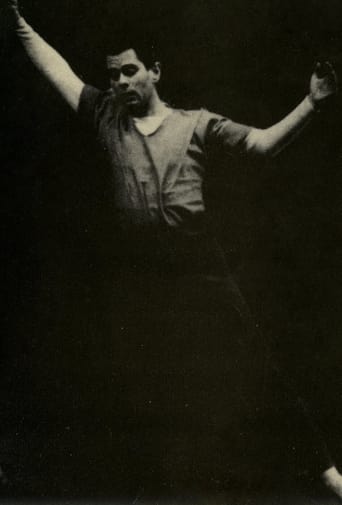
Portrait of Lester Horton, a Los Angeles-based dancer, choreographer and teacher who trained many world-reknowned dancers and built the first American theater devoted permanently to dance. Former students and friends, including Bella Lewitzky, Alvin Ailey, and Carmen de Lavallade, help create a picture of Horton through interviews. Includes numerous dance excerpts.
Stéphane Lissner, director of the Paris Opera, entrusts the staging of the opera-ballet Les Indes galantes to the visual artist Clément Cogitore. Based on the experience of his short film Les Indes galantes, the artist updates Jean-Philippe Rameau's baroque masterpiece (1735) by bringing together lyric song and urban dance. The choreography is entrusted to Bintou Dembélé who supervises dancers from krump, popping, voguing or even experimental hip hop. From rehearsals to the Premiere, Philippe Béziat films the meeting of urban dancers with the lyric institution and invites the spectator to share a human and artistic experience.