

Trespassing Bergman
Documentary · History
Overview
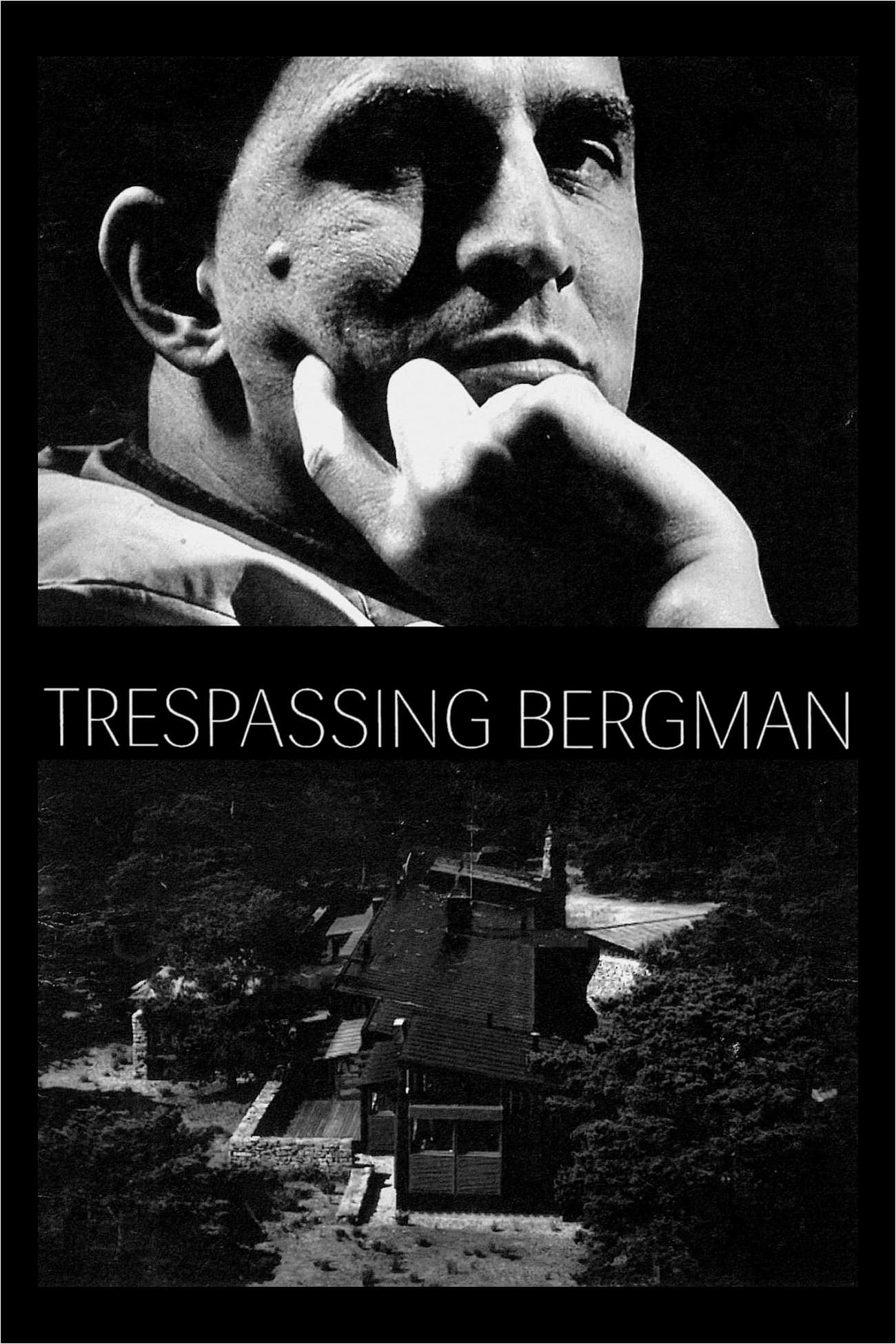
In the sixties, Swedish filmmaker Ingmar Bergman (1918-2007) built a house on the remote island of Fårö, located in the Baltic Sea, and left Stockholm to live there. When he died, the house was preserved. A group of very special film buffs, came from all over the world, travel to Fårö in search of the genius and his legacy. (An abridged version of Bergman's Video, 2012.)
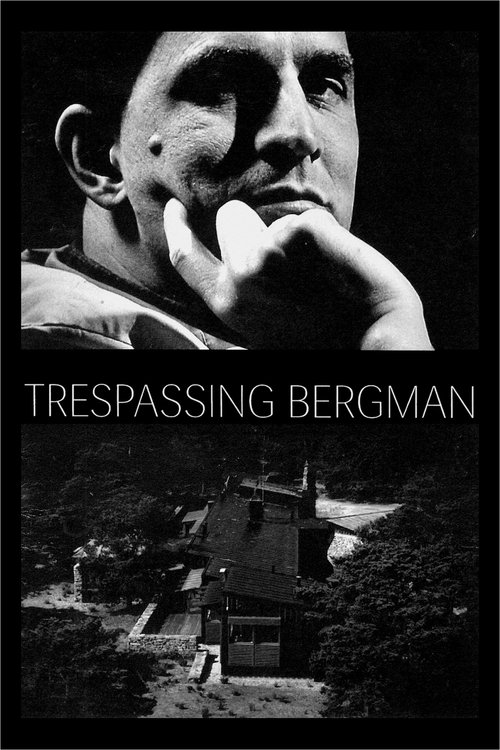
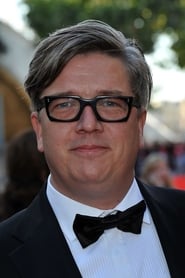
Tomas Alfredson
Tomas Alfredson
Self
Tomas Alfredson
Self
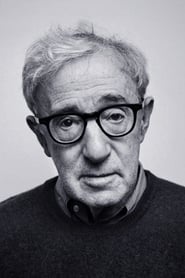
Woody Allen
Woody Allen
Self
Woody Allen
Self

Wes Anderson
Wes Anderson
Self
Wes Anderson
Self
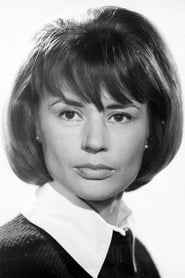
Harriet Andersson
Harriet Andersson
Self
Harriet Andersson
Self
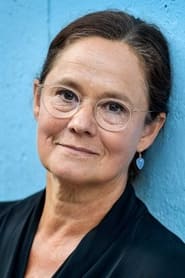
Pernilla August
Pernilla August
Self
Pernilla August
Self
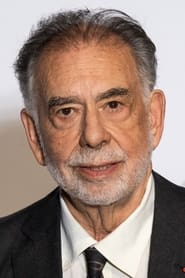
Francis Ford Coppola
Francis Ford Coppola
Self
Francis Ford Coppola
Self
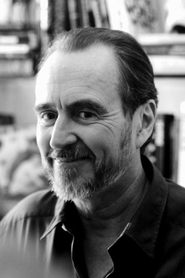
Wes Craven
Wes Craven
Self
Wes Craven
Self
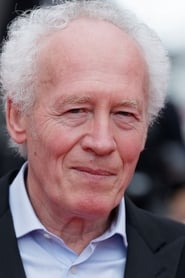
Jean-Pierre Dardenne
Jean-Pierre Dardenne
Self
Jean-Pierre Dardenne
Self
Luc Dardenne
Luc Dardenne
Self
Luc Dardenne
Self
Robert De Niro
Robert De Niro
Self
Robert De Niro
Self
Similar Movies
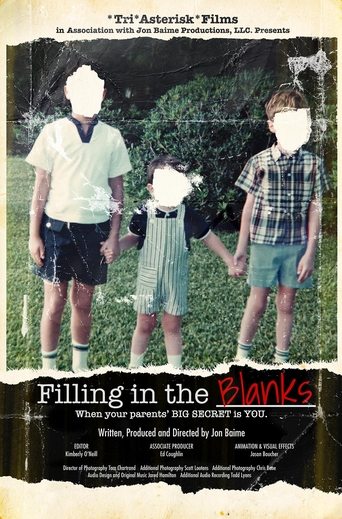
Where do I come from? For some, the question has a simple answer -- for others, the truth can be much more complicated. With the rise in popularity of at-home DNA tests, it's now easier than ever for people to uncover their family history and, sometimes, things their parents wish would stay buried. Interested in learning more about his family heritage, director Jon Baime took an at-home DNA test and uncovered a family secret that has been hidden for half a century. Featuring in-depth interviews with Jon's siblings as well as a treasure trove of family photos and films spanning 70 years, FILLING IN THE BLANKS takes audiences on a journey as Jon explores the meaning behind his discovery and expands on what it means to be family.
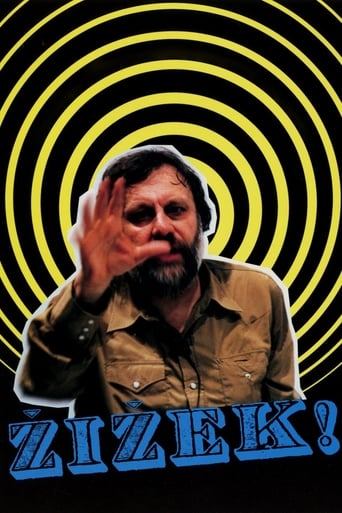
ŽIŽEK! trails the thinker as he crisscrosses the globe, racing from New York City lecture halls, through the streets of Buenos Aires, and even stopping at home in Ljubljana, Slovenia. All the while Žižek obsessively reveals the invisible workings of ideology through his unique blend of Lacanian psychoanalysis, Marxism, and critique of pop culture.
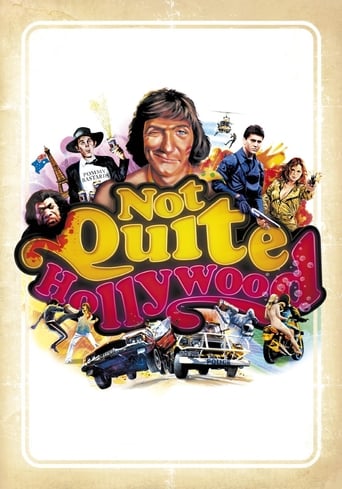
As Australian cinema broke through to international audiences in the 1970s through respected art house films like Peter Weir's "Picnic At Hanging Rock," a new underground of low-budget exploitation filmmakers were turning out considerably less highbrow fare. Documentary filmmaker Mark Hartley explores this unbridled era of sex and violence, complete with clips from some of the scene's most outrageous flicks and interviews with the renegade filmmakers themselves.
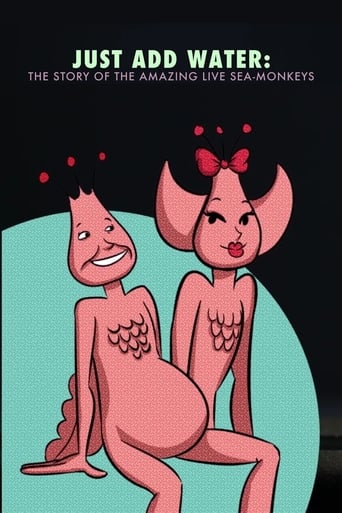
The Story of the Amazing Live Sea-Monkeys is the colourful and surprising true story of a man named Harold von Braunhut; a man who could look at the humblest of creatures – the brine shrimp – and imagine an empire built upon it. Breezy, colourful short about a half-century of marketing directly to children, the force of nostalgia in pop culture, and an unlikely meeting of flimflam and hard science.

In this biographical drama, Selena Quintanilla is born into a musical Mexican-American family in Texas. Her father, Abraham, realizes that his young daughter is talented and begins performing with her at small venues. She finds success and falls for her guitarist, Chris Perez, who draws the ire of her father. Seeking mainstream stardom, Selena begins recording an English-language album which, tragically, she would never complete.
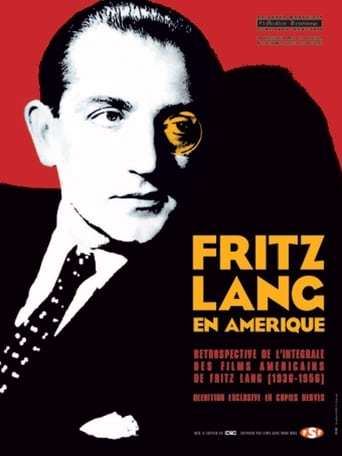
Interview with Fritz Lang on the roof of Villa Malaparte on Capri during the filming of the fictitious film "Odysseus" and the filming of "Contempt" by Jean-Luc Godard, in which Fritz Lang plays the role of an old film director. During the interview, excerpts from the Lang films "The Nibelungen", "The Tired Death" and "M" are shown.
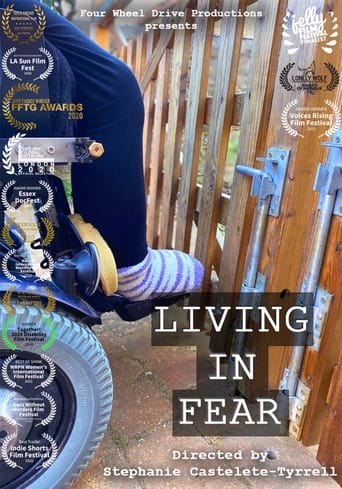
Filmed and edited entirely in isolation, Living in Fear is an educational and inspiring documentary directed by myself, Stephanie Castelete-Tyrrell, a disabled filmmaker as I capture the fears and struggles disabled people faced before the government implemented the lockdown on the 23rd March 2020. Thousands of people with disabilities were left in the dark and had to make the call weeks before to lockdown as it was inevitable that we would die if we caught the virus. Food was impossible to access because we couldn't go out or get delivery slots, and even if we did panic buyers made it impossible to get the items we desperately needed. We were truly isolated, unable to have family and friends visit. Having carers coming in and out of the house was risky and many disabled people felt that having basic care was putting their lives at risk.