

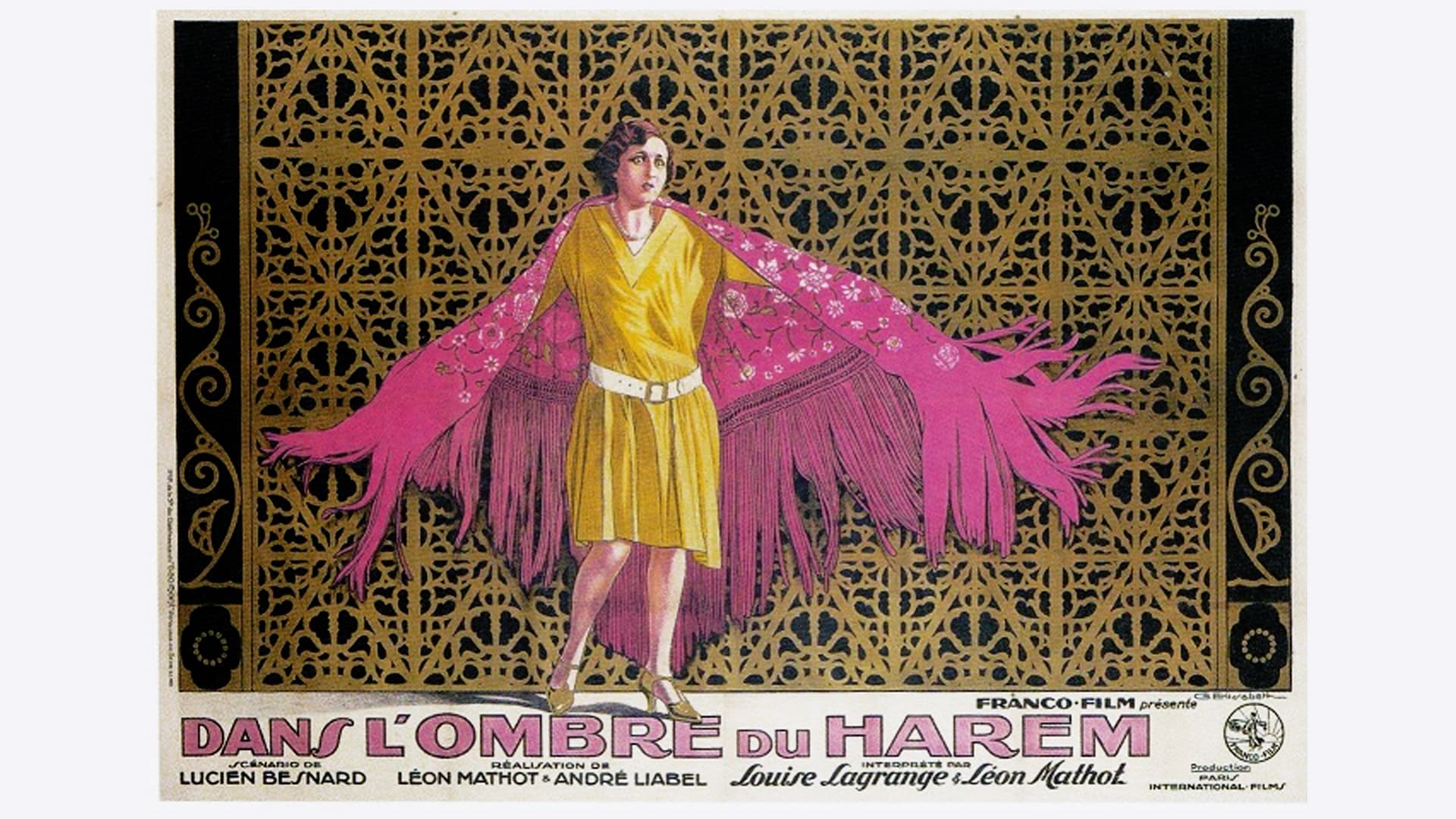
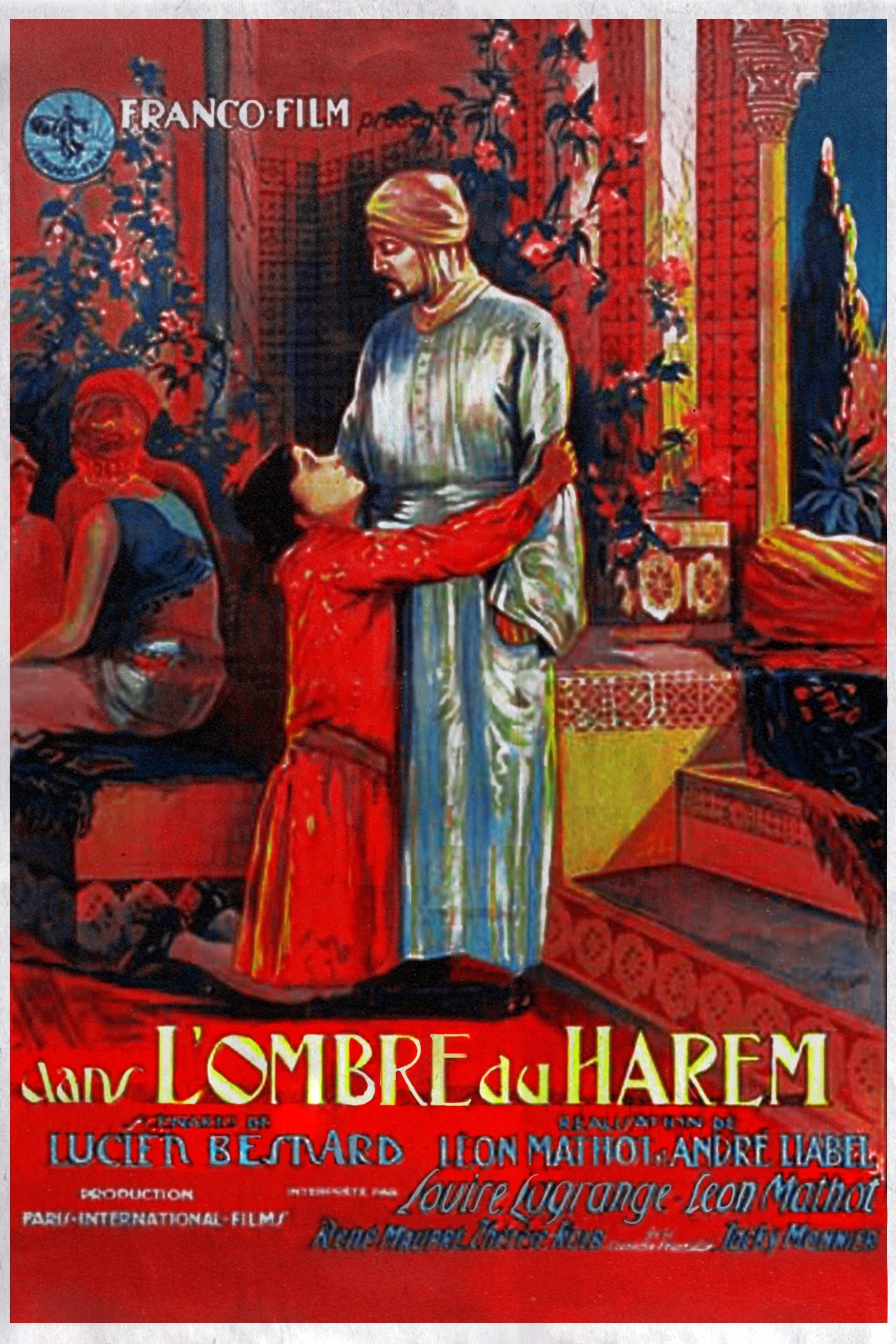
In the Shadow of the Harem
Romance · Drama
Overview
An emir wants revenge on a secretary who posed as a rival to a beautiful woman. He holds in his palace which refers to himself as a trap, the wife of the secretary, and thinks of becoming her lover. The charm and nobility of the young woman end up softening the emir. He bows, returns her to her husband, and forgives the beauty.



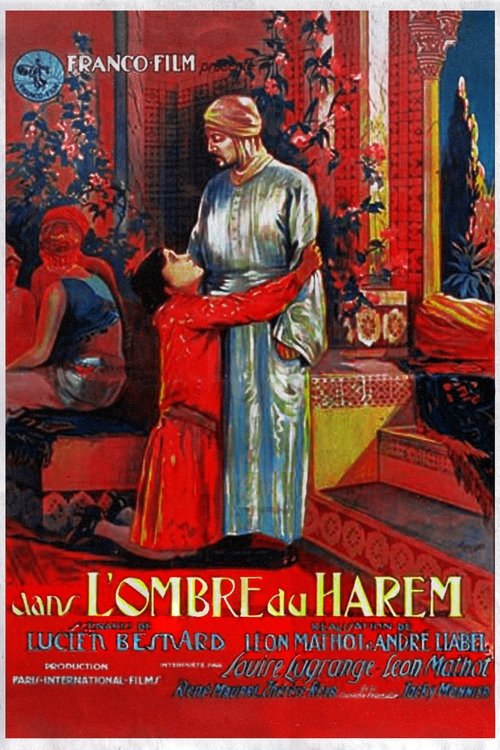

Léon Mathot
Léon Mathot
L'Émir Si Abd El Nasser
Léon Mathot
L'Émir Si Abd El Nasser

Jackie Monnier
Jackie Monnier
Princesse Djebellen Nour
Jackie Monnier
Princesse Djebellen Nour

Louise Lagrange
Louise Lagrange
Simone de Montfort
Louise Lagrange
Simone de Montfort
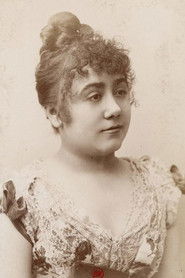
Thérèse Kolb
Thérèse Kolb
Servante Habida
Thérèse Kolb
Servante Habida

André Volbert
André Volbert
Le gouverneur
André Volbert
Le gouverneur
Similar Movies
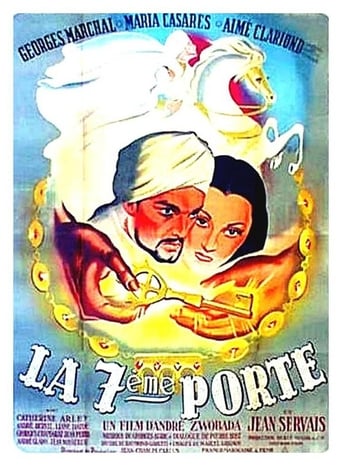
An old man about to die gives all his fortune to a young beggar he meets in an Arabian town. He takes him to his house (now the poor man's property) and he strongly advises him not to open one of the doors, the seventh door. "I could throw the key into the sea" says the young lad" No use, you'd dive to get it back". The young man is curious and he cannot resist temptation: he opens the forbidden door. A strange world is waiting for him where a girl, Leila, will be his guide .
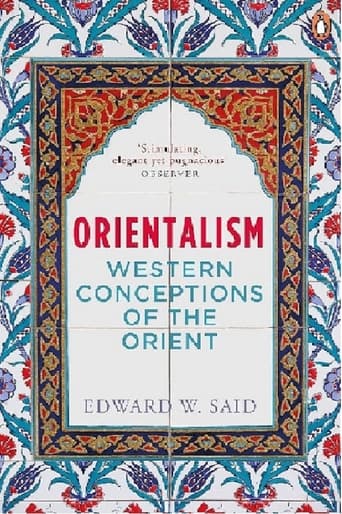
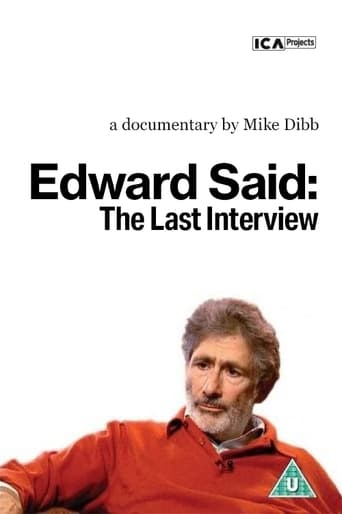
Edward Said's book Orientalism has been profoundly influential in a diverse range of disciplines since its publication in 1978. In this engaging and lavishly illustrated interview he talks about the context within which the book was conceived, its main themes, and how its original thesis relates to the contemporary understanding of "the Orient" as represented in the mass media. "That's the power of the discourse of Orientalism. If you're thinking about people and Islam, and about that part of the world, those are the words you constantly have to use. To think past it, to go beyond it, not to use it, is virtually impossible, because there is no knowledge that isn't codified in this way about that part of the world." -Edward Said
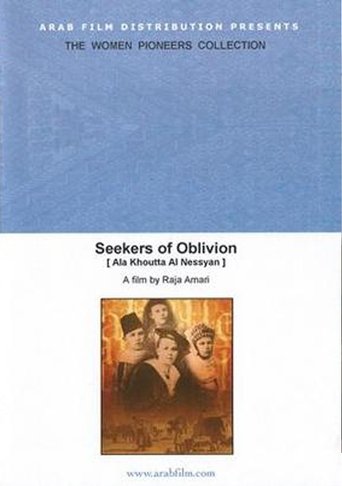
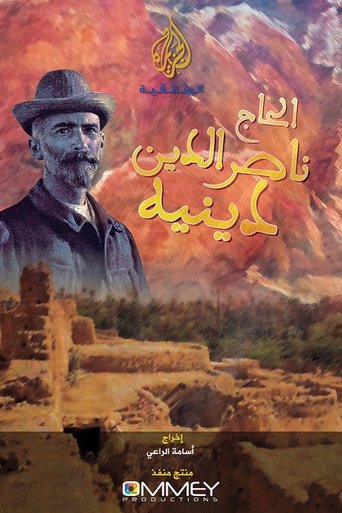
Seekers of Oblivion explores the exciting life and adventures of Isabelle Eberhardt. Born in Geneva, Switzerland in 1877, Isabelle left Europe for North Africa at a young age. While there, she consorted with tramps, prostitutes, soldiers, murderers and thieves, at times masquerading as a man in orde.
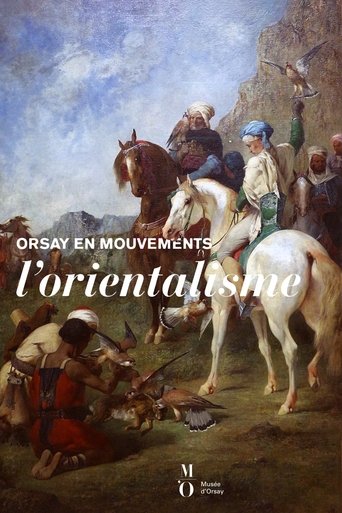
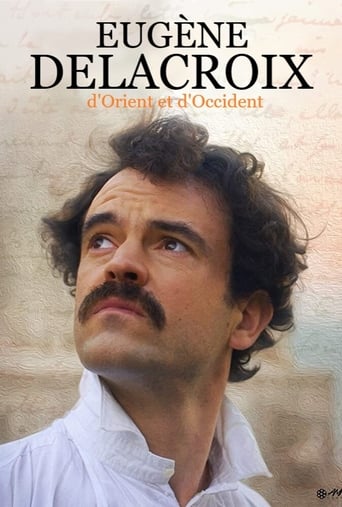
Orientalism is a literary and artistic movement born in Western Europe in the 18th century. Through its scale and popularity, throughout the 19th century, it marked the interest and curiosity of artists and writers for the countries of the West (the Maghreb) or the Levant (the Middle East). Orientalism was born from the fascination of the Ottoman Empire and followed its slow disintegration and the progression of European colonizations. This exotic trend is associated with all the artistic movements of the 19th century, academic, romantic, realistic or even impressionist. It is present in architecture, music, painting, literature, poetry... Picturesque aesthetics, confusing styles, civilizations and eras, orientalism has created numerous clichés and clichés that we still find today in literature or cinema.
Focusing on key Arab films produced in the last 20 years. Férid Boughedir traces the development of the film-makers' concern to produce more socially aware cinema. Themes include the issue of Palestinian homeland rights and the nature of Arab identity. The film-makers also share a desire to develop a strong poetic tradition.
Edward Said, Professor of English & Comparative Literature at Columbia University, was one of the most prominent literary critics of the late 20th century and a leading spokesperson for the Palestinian cause in the US. In this episode, Said examines Western attitudes to the Arabs and finds their origins in the Crusades, Hollywood and European empire building. He sees the Palestinian fate as the result of years of Western interference. One of the ten episodes of The Arabs: A Living History.