

The Marshal's Two Executions
Documentary · History
Overview
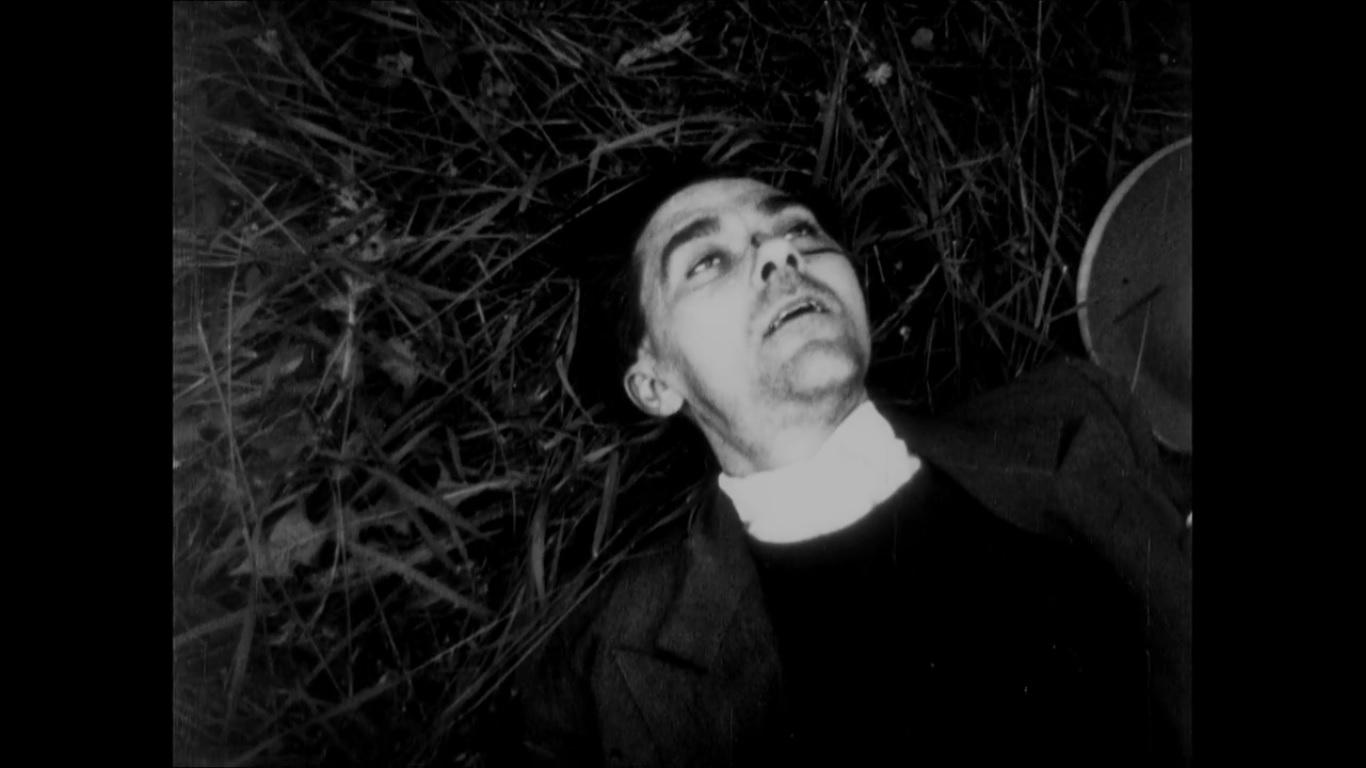
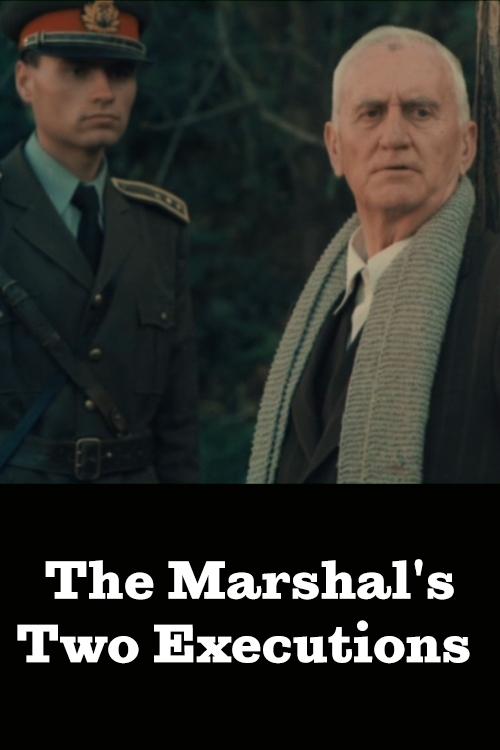
Two different views of the execution of Romanian wartime dictator Ion Antonescu confront one another. On one side is silent footage recorded in 1946 by cameraman Ovidiu Gologan, and on the other side are scenes from a biographical film shot five decades later by director Sergiu Nicolaescu.
Top Cast

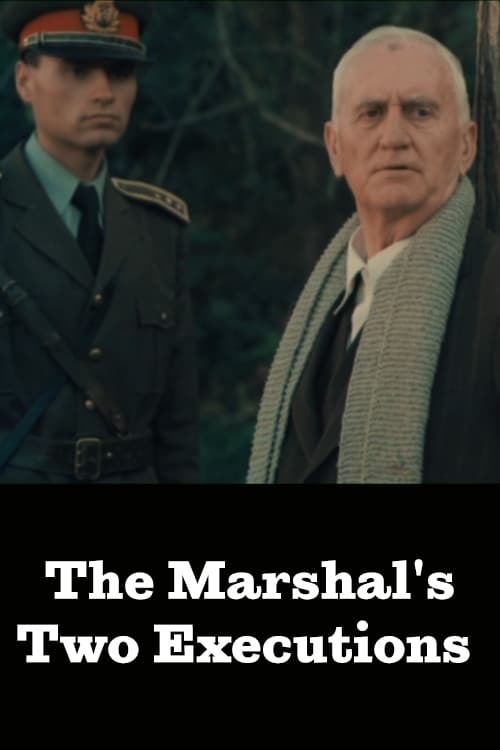
Ion Antonescu
Ion Antonescu
Self (archive footage)
Ion Antonescu
Self (archive footage)
Similar Movies

During the student crisis of 1968, Ines, an 18-year-old homosexual, is prevented from attending law school by her family, who believe that this is not the right course for a woman. This awakens in Inês a feeling of injustice, which leads her to accept Julio's invitation to join the high school students' association. The next day, we find out that the student association has been closed since they found a copy of the clandestine newspaper "Avante!" on the premises. The rectory then decides to expel suspicious students, starting a revolt in the high school and an ideological confrontation between the couple of Inês and Adelaide.
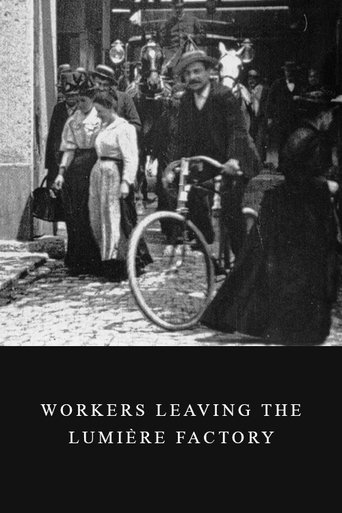
Working men and women leave through the main gate of the Lumière factory in Lyon, France. Filmed on 22 March 1895, it is often referred to as the first real motion picture ever made, although Louis Le Prince's 1888 Roundhay Garden Scene pre-dated it by seven years. Three separate versions of this film exist, which differ from one another in numerous ways. The first version features a carriage drawn by one horse, while in the second version the carriage is drawn by two horses, and there is no carriage at all in the third version. The clothing style is also different between the three versions, demonstrating the different seasons in which each was filmed. This film was made in the 35 mm format with an aspect ratio of 1.33:1, and at a speed of 16 frames per second. At that rate, the 17 meters of film length provided a duration of 46 seconds, holding a total of 800 frames.
A multimedia short created for the U.S. millennium celebrations, The Unfinished Journey reflects on America’s history and spirit through six chapters—immigration, war, culture, civil rights, and innovation. Commissioned by President Bill Clinton and premiered at the Lincoln Memorial on New Year’s Eve 1999, the film features an original orchestral score by John Williams titled American Journey.
The Bokelberg photographic collection brings to life the Paris of the Belle Époque (1871-1914), an exhibition of workshops and stores with extremely beautiful shop windows before which the owners and their employees proudly pose, hiding behind their eyes the secret history of a great era.