


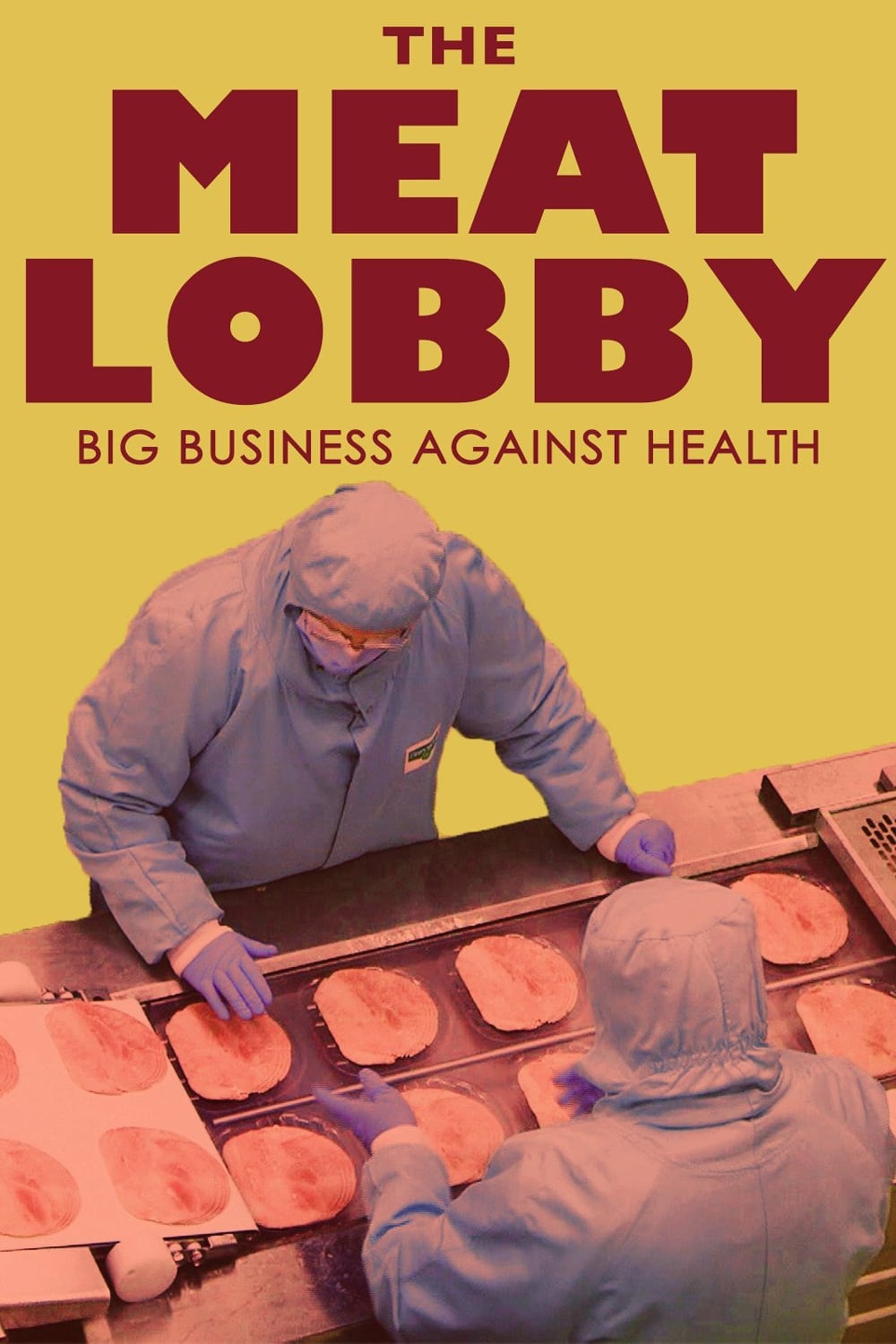
The Meat Lobby: Big Business Against Health?
Documentary
Overview
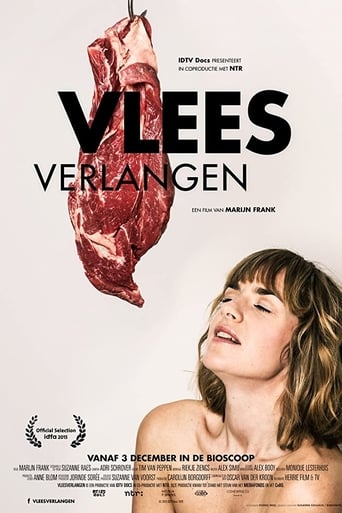
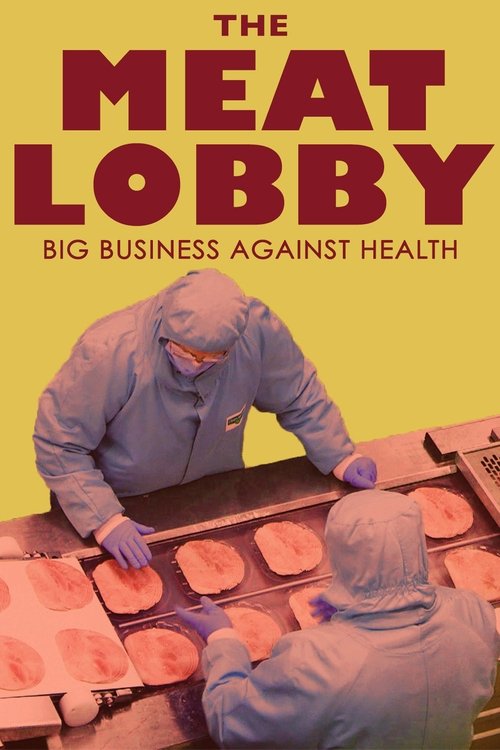
In 2015, the WHO listed one of the additives in processed meats as carcinogenic. That same additive was nearly banned in America in the 1970s - until lobbying from the meat industry discredited the scientists. At the heart of this strategy are the scientists who collaborate with the meat industry and who receive generous compensation for studies that promote meat consumption.





No cast information.
Similar Movies
A spoof on the movie “Clueless” – follows high-school queen Crystal through the worst day of her young, pampered life. It seems that everything in her life derived from oil has disappeared: her makeup, Daddy’s credit card, gasoline for her beloved BMW and aspirin for her growing stress headache — all gone. But with a little guidance from Miss Watkins, her “extremely cool science teacher,” Crystal gets a better understanding of where oil comes from, how it is processed and how the products made from oil impact our everyday lives.

The leading consumers of medicines on the planet, are the French really sicker than the rest of humanity? Or are there other explanations for this bulimia? By mixing in-depth interviews and plasticine animations, this documentary takes viewers on a journey through the drug. Materialized by the setting of a town, Pharmacy, this walk goes through all the stages. From clinical trials to marketing, from therapeutic evaluation to price setting, from marketing hype to the side effects suffered - at the end of the chain - by patients, public authorities and the pharmaceutical industry are questioned without question. detours on their responsibilities.
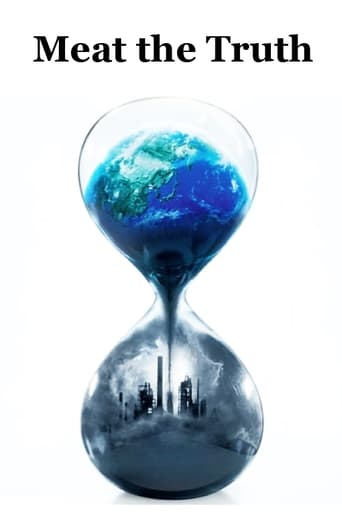
Meat the Truth is a high-profile documentary which forms an addendum to earlier films on climate change. Although such films have succeeded in drawing public attention to the issue of global warming, they have repeatedly ignored one of the most important causes of climate change: the intensive livestock production. Meat the Truth draws attention to this by demonstrating that livestock farming generates more greenhouse gas emissions worldwide than all cars, lorries, trains, boats and planes added together.
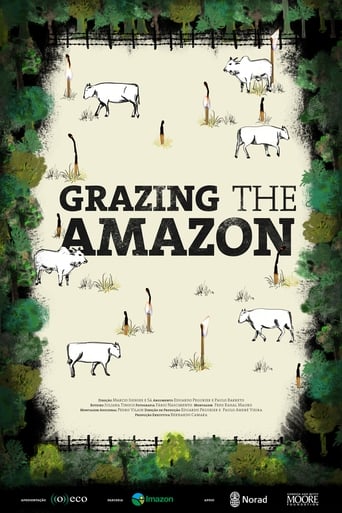
There are 85 million cows in the Brazilian Amazon, which means three cows for each human dweller grazing today and area that was once forest. Less than fifty years ago, in the 1970s, the rainforest was intact. Since then, a portion the size of France has disappeared, 66% of which transformed into pastures. Much of this change is a consequence of government incentives that attracted thousands of farmers from southern lands. Cattle ranching became an economic and cultural banner of the Amazon, forging powerful politicians to defend it. In 2009, there was a game changer: the Public Prosecutor's Office sued large slaughterhouses, forcing them to supervise cattle supplying farms.
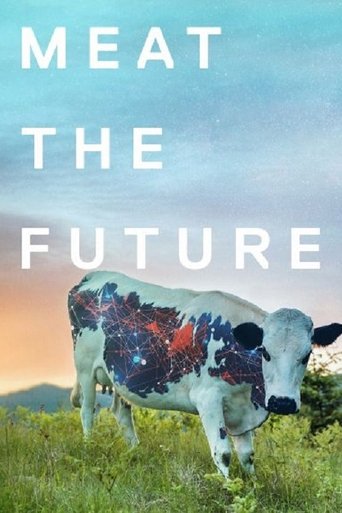
Meat the Future ushers the viewer into a world vexed by the impacts of modern day industrial animal agriculture and zeros in on a solution-focused story. Revealing challenges and breakthroughs and posing a myriad of questions about the future, this 90-minute character-driven documentary explores the advent of real meat without the need to raise and slaughter animals. Spanning three years, Meat the Future chronicles the potentially game-changing birth of a new food industry referred to as “cell-based” “clean” and “cultured” meat – a term hotly debated as the industry approaches commercialization