


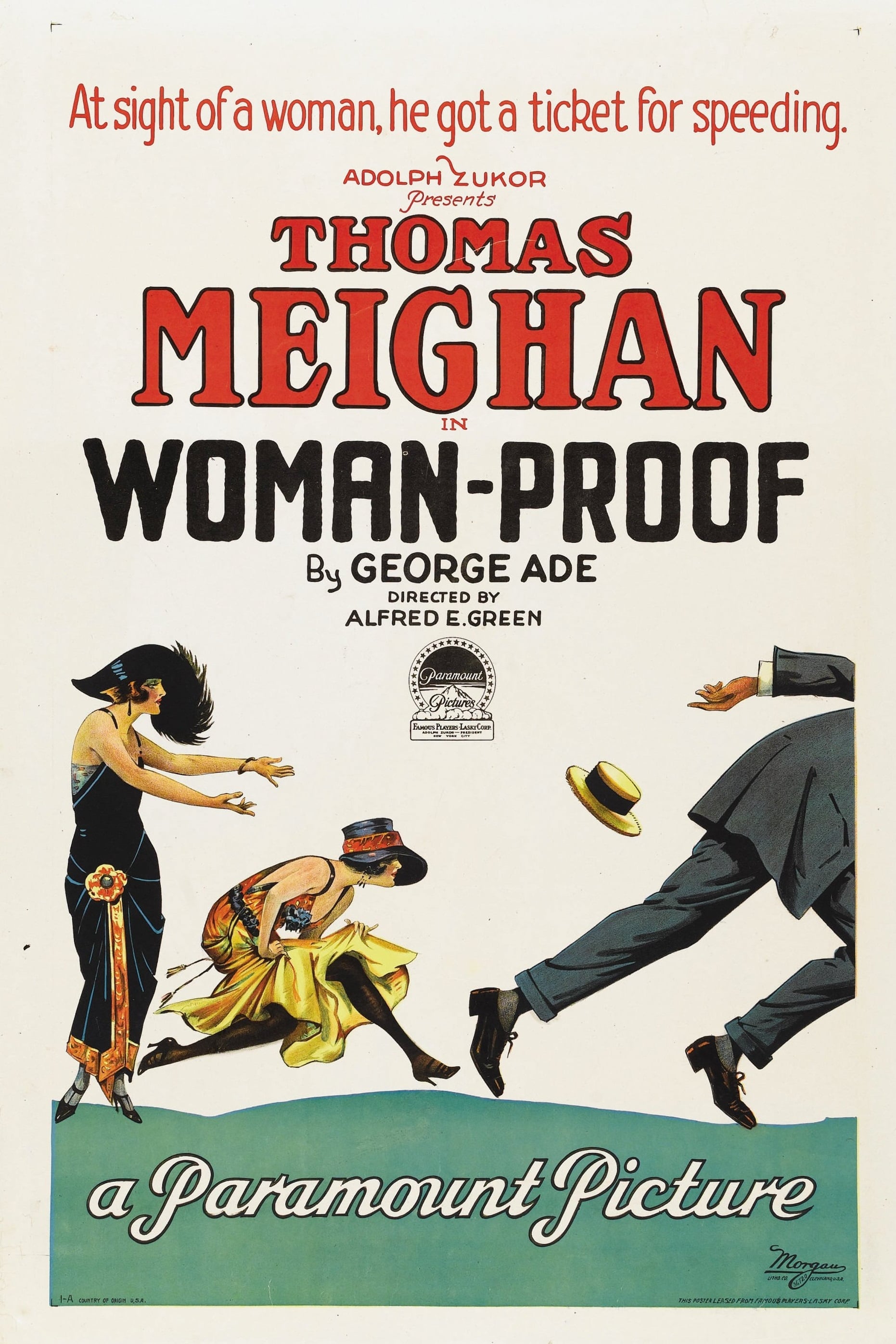
Woman-Proof
Comedy
Overview
At sight of a woman, he got a ticket for speeding.
Top Cast
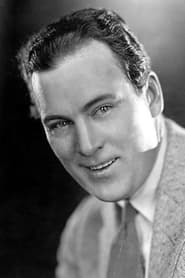
Thomas Meighan
Tom Rockwood

Lila Lee
Louise Halliday
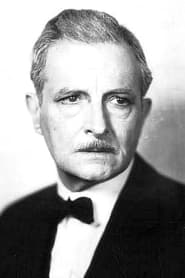
John St. Polis
Milo Bleech (as John Sainpolis)
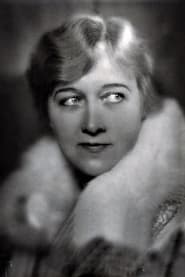
Louise Dresser
Wilma Rockwood
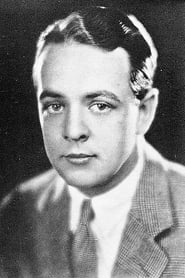
Robert Agnew
Dick Rockwood

Mary Astor
Violet Lynwood
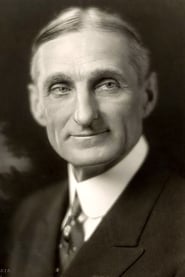
Edgar Norton
Cecil Updyke
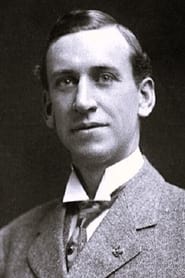
Charles Sellon
Uncle Joe Gloomer (as Charles A. Sellon)
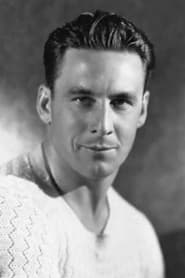
George O'Brien
Bill Burleigh

Vera Reynolds
Celeste Rockwood
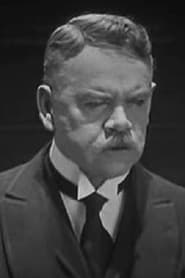
Hardee Kirkland
Colonel Lynwood
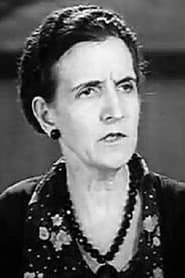
Martha Mattox
Wistful Wooer




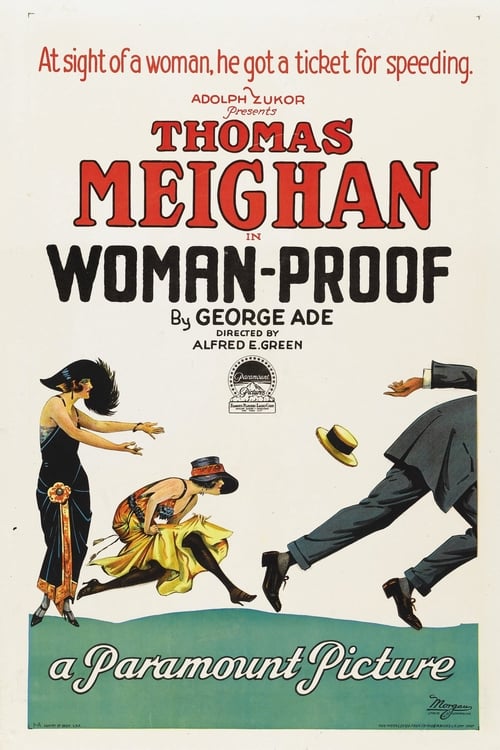
Thomas Meighan
Thomas Meighan
Tom Rockwood
Thomas Meighan
Tom Rockwood
Lila Lee
Lila Lee
Louise Halliday
Lila Lee
Louise Halliday
John St. Polis
John St. Polis
Milo Bleech (as John Sainpolis)
John St. Polis
Milo Bleech (as John Sainpolis)
Louise Dresser
Louise Dresser
Wilma Rockwood
Louise Dresser
Wilma Rockwood
Robert Agnew
Robert Agnew
Dick Rockwood
Robert Agnew
Dick Rockwood
Mary Astor
Mary Astor
Violet Lynwood
Mary Astor
Violet Lynwood
Edgar Norton
Edgar Norton
Cecil Updyke
Edgar Norton
Cecil Updyke
Charles Sellon
Charles Sellon
Uncle Joe Gloomer (as Charles A. Sellon)
Charles Sellon
Uncle Joe Gloomer (as Charles A. Sellon)
George O'Brien
George O'Brien
Bill Burleigh
George O'Brien
Bill Burleigh
Vera Reynolds
Vera Reynolds
Celeste Rockwood
Vera Reynolds
Celeste Rockwood
Similar Movies

Ann, a 19-year-old girl who looks much younger, meets a dashing army major on a boat sailing from Liverpool to Bombay, India, and falls in love with him. Her love appears to be unrequited, though, because the major thinks she is far too young--and also, unknown to her, because he had once been in love with her mother. When a fellow passenger on the ship takes advantage of the naive girl the major comes to her rescue, but in the process the girl finds out about the past relationship between he and her mother.
Upon striking oil on his farm, Silas T. Pettingill (Charles Eldridge) moves to Park Avenue at the behest of his social-climbing wife Maria (Kate Blancke) and daughter Helen (Emmy Wehlen). But like Jiggs in the comic strip, Pettingill never loses his common touch, and one evening he goes out on a toot with his new chauffeur Hubert Stanwood (Paul Gordon).
"'Boxcar' Simmons, a tramp, represents himself as a mining millionaire in a small town. The population accepts him at his own valuation, and two of the town's 'slickers' make desperate efforts to 'take him for his roll.' One of their schemes is to sell him a worthless ranch, but he turns the tables on them by making them believe that the ranch is a veritable bed of silver ore, and then, after they buy it, he presents the major part of the proceeds to the girl who owns the place and with whom he had fallen in love." (Moving Picture World, 24 Jun 1922, p. 736.)

Daniel Powell’s plan to reconnect with his siblings hits a snag when he discovers they all want to kill him for his inheritance. As the brothers and sisters are forced to spend the weekend together at the family beach house on the Cayman Islands, one thing becomes painfully clear: Daniel’s going to find out what family means, even if it kills him.
Two pals enlist in the army during World War I. Just before they complete training camp and are to be sent overseas, they're scheduled to marry their girlfriends. However, they get in trouble and wind up in the guardhouse. Their girlfriends are determined to get married, however, and in order to accomplish this, they disguise themselves as soldiers and sneak onto the base, where they unwittingly get mixed up with enemy spies trying to gather information.
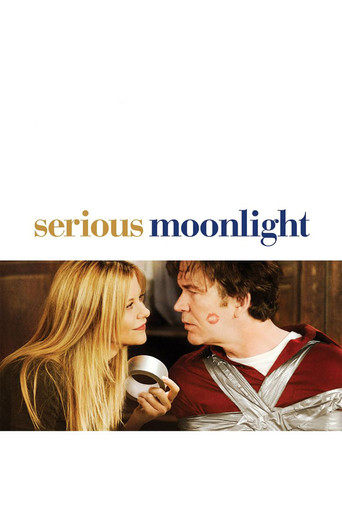
After her adulterous husband asks for a divorce, a high-powered attorney takes him captive, refusing to release him until he commits to working on their marriage together. When his impatient mistress shows up, not to mention an opportunistic gardener, things start to get seriously complicated.
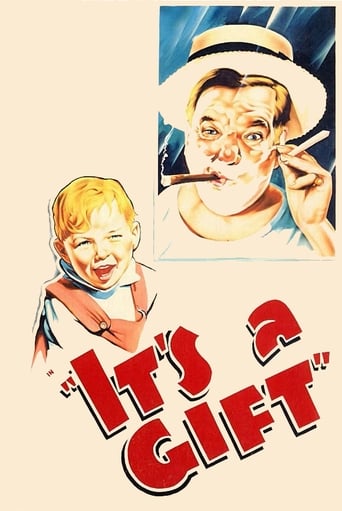
After he inherits some money, Harold Bissonette ("pronounced bis-on-ay") decides to give up the grocery business, move to California and run an orange grove. Despite his family's objections and the news that the land he bought is worthless, Bissonette packs up and drives out to California with his nagging wife Amelia and children.
Satirical silent movie based on the play Macbeth written in 1916 by Peter Pan creator and playwright J. M. Barrie as a parody of the American entertainment industry. The film was made by the newly created British Actors Film Company in response to news that American filmmaker D. W. Griffith intended to honor the 300th anniversary of William Shakespeare's death by producing of a film version of the play. It was subtitled A Suggestion for the Artists of the Future. It was screened at a charity benefit attended by the royal family, but was not widely distributed, and no copies are known to survive.