


Tarpon
Documentary
Overview
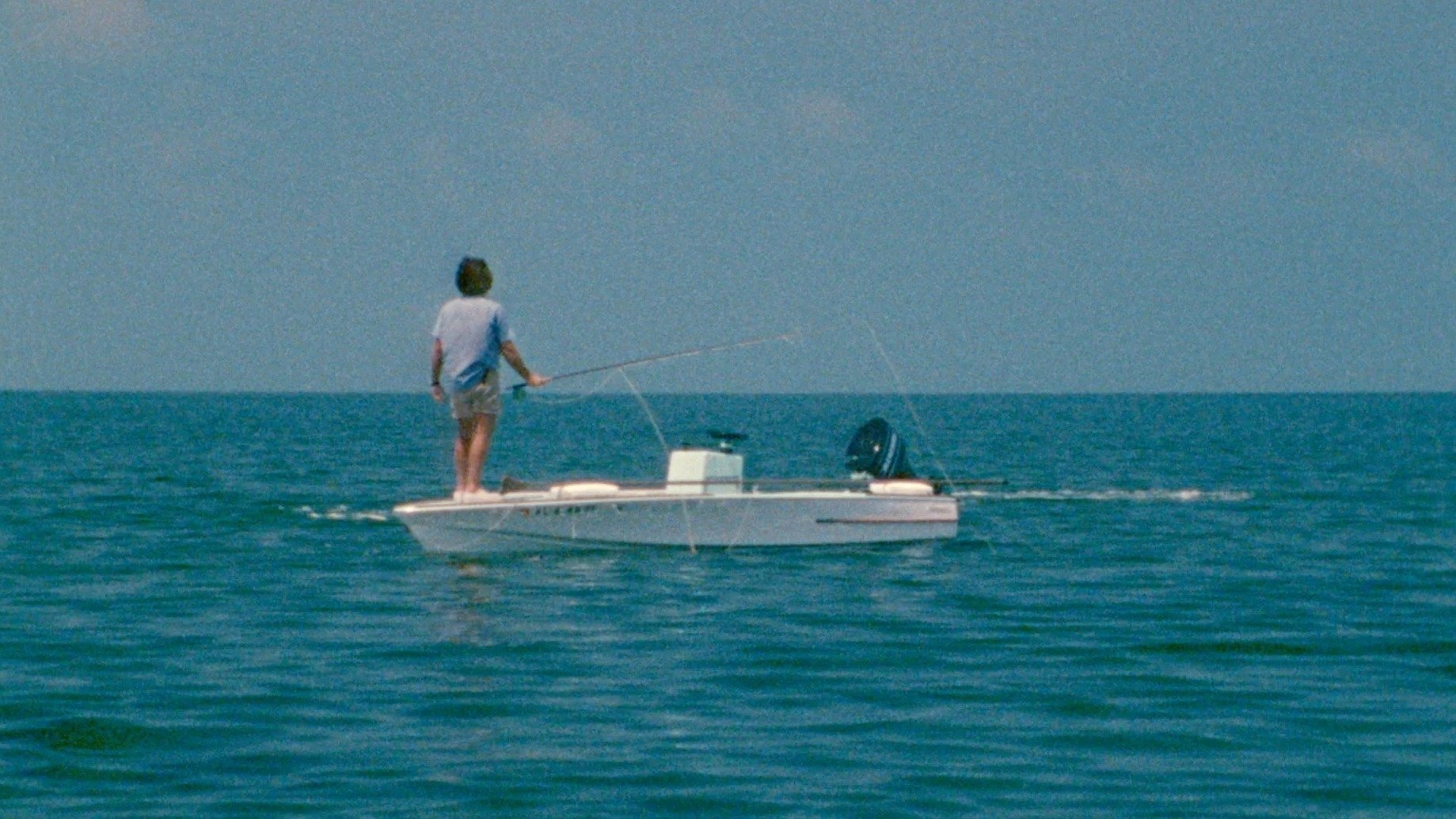
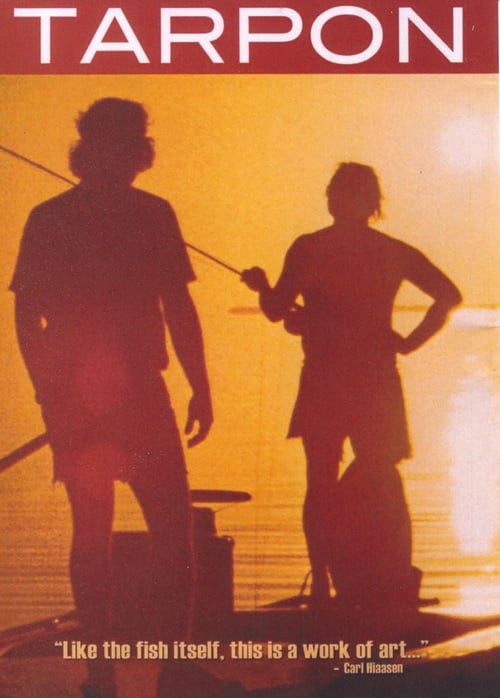
The first of the modern fishing films, shot in the wild panorama of 1970s Key West. Colorful scenes of Key West from another era - with treasure hunters, smugglers, hippies and eccentrics - are background to stunning cinematography and tarpon fishing at its finest. Authors, Richard Brautigan, Tom McGuane and Jim Harrison join with legendary flats guides, Woody Sexton, Gil Drake and Steve Huff.
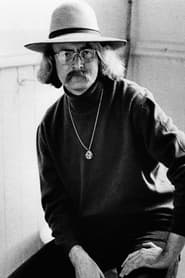
Richard Brautigan
Richard Brautigan
Richard Brautigan

Jimmy Buffett
Jimmy Buffett
Jimmy Buffett
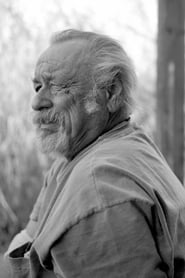
Jim Harrison
Jim Harrison
Jim Harrison
Thomas McGuane
Thomas McGuane
Thomas McGuane
Similar Movies

MORENA tells the uplifting story of the Philippine National Surf Athlete Ikit Agudo, who overcame the pressure to blend into a society obsessed with skin whitening. Within the ocean, she found happiness, strength, and pride in her roots. Inspiring young girls around the world to embrace who they truly are. In the Philippines, skin-whitening remains a billion-peso industry, a legacy of colonial beauty ideals that for generations have led many to neglect their true identity and natural beauty.
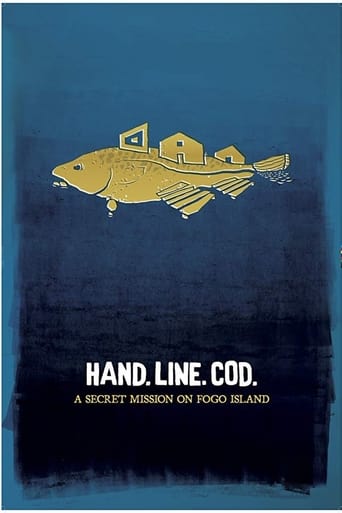
In the coldest waters surrounding Newfoundland's rugged Fogo Island, "people of the fish"—traditional fishers—catch cod live by hand, one at a time, by hook and line. After a 20-year moratorium on North Atlantic cod, the stocks are returning. These fishers are leading a revolution in sustainability, taking their premium product directly to the commercial market for the first time. Travel with them from the early morning hours, spend time on the ocean, and witness the intricacies of a 500-year-old tradition that's making a comeback.
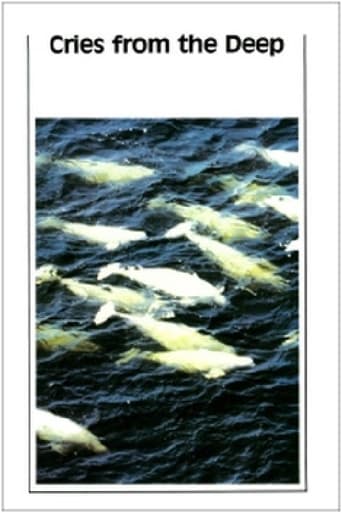
This documentary records the journey undertaken by Jacques Cousteau, his 24-member team, and an NFB film crew to explore the Grand Banks of Newfoundland, one of the world's richest fishing areas. They discover shipwrecks, film icebergs and observe beluga whales, humpback whales and harp seals. The film also includes a fascinating sequence showing Calypso divers freeing a calf whale entrapped in a fishing net.
This is the planet we still know so little. We call it Earth but less than 1/3 is land, over 2/3 is water and we use that water as a dumping site for our waste and as if it's an inexhaustible "horn of plenty" for humans. Our most important ecosystem is on the verge of collapse unless we act now. At this very moment the main problem with the oceans is that they're getting emptier and emptier. If we don't do anything then we face one of the biggest disasters in history of mankind.

Kristallklar tells the tale of a hidden river holding wild brown trout near the border of Luxembourg and Germany. Find out about this magical river from the perspective of Kirill, who recently acquired the lease to the fishing rights of the river and a small tributary thereof. It captures the essence of a fly fishing adventure on the river embarked on by the incredibly passionate Kirill and two companions: Nic, a fly fishing scientist and Simon, the filmmaker. The film tries to capture the feeling of the magnificent surroundings and being at peace on the river. It also delves into topics of conservation of nature and the plans to re-stock the river with native crayfish which vanished from the river. A lot of love went into this film the hope is that it inspires those around the world to find a love for the outdoors and to preserve it for many years to come and just to get out there and fly fish.
Sea otters are once again in peril after being brought back from the brink of extinction. An unprecedented number of sea otter deaths have occurred along the California coast in the last three years. Meanwhile, the Fish & Wildlife Services decision to eliminate their No Otter Zone from Southern California waters remains controversial. This fragile species threatened by pollution, infectious diseases, starvation, and competition with fishermen struggles for survival.
The Southern Sea Otter was historically abundant along the California coastline until intense hunting pressures reduced their numbers to near-extinction levels. But now the otters are coming back, and with them they bring the potential for drastic change to the modern-day economics and ecology of the Santa Barbara Channel.