

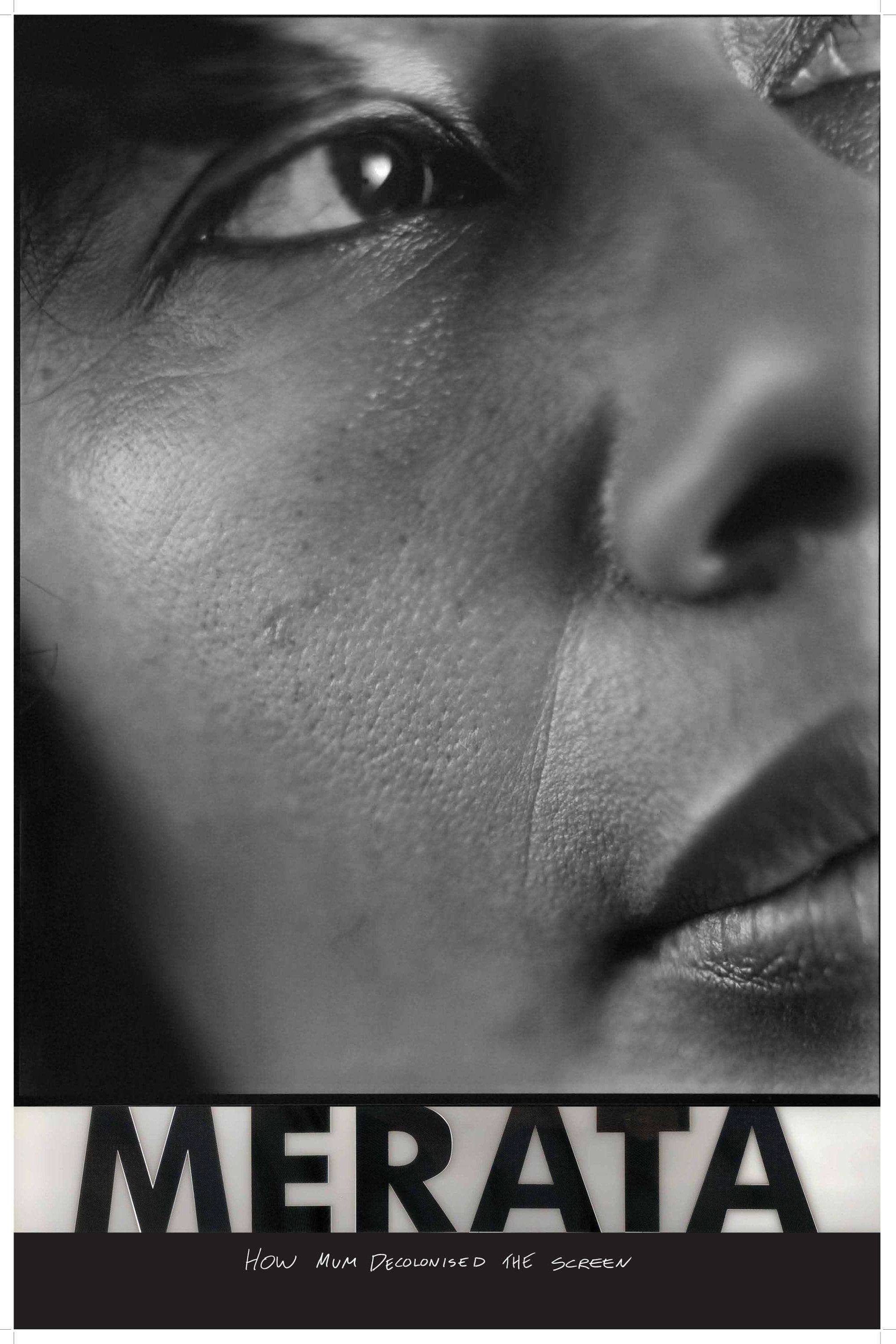
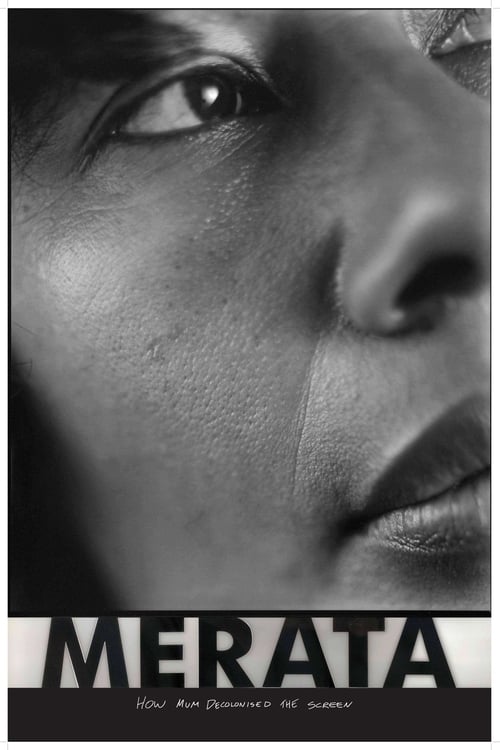
Merata: How Mum Decolonised the Screen
Documentary
Overview
This film is an intimate portrayal of pioneering filmmaker Merata Mita told through the eyes of her children. Using hours of archive footage, some never before seen, her youngest child and director Hepi Mita discovers the filmmaker he never knew and shares the mother he lost, with the world.







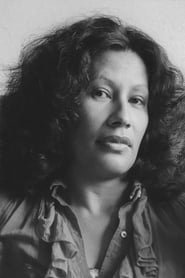
Merata Mita
Merata Mita
Self (archive footage)
Merata Mita
Self (archive footage)
Hepi Mita
Hepi Mita
Self - Narrator (voice)
Hepi Mita
Self - Narrator (voice)
Rafer Rautjoki
Rafer Rautjoki
Self
Rafer Rautjoki
Self
Richard Rautjoki
Richard Rautjoki
Self
Richard Rautjoki
Self
Rhys Rautjoki
Rhys Rautjoki
Self
Rhys Rautjoki
Self
Awatea Mita
Awatea Mita
Self
Awatea Mita
Self
Eruera Mita
Eruera Mita
Self
Eruera Mita
Self

Alanis Obomsawin
Alanis Obomsawin
Self
Alanis Obomsawin
Self
Jesse Wente
Jesse Wente
Self
Jesse Wente
Self
C.M. Kaliko Baker
C.M. Kaliko Baker
Self
C.M. Kaliko Baker
Self
Similar Movies
A bold reveal of a rose tattoo opens this 1980 documentary on tattooing in New Zealand. The potted history includes visits to tattoo parlours on K' Road and Hastings, and the studios of industry legends Steve Johnson and Roger Ingerton. Tattooists discuss public stigma, people's reasons for getting inked, and popular designs: sailors, serpents, swallows and tā moko. Made for documentary slot Contact, Skin Pics chronicles a time when "folk art has become high art".
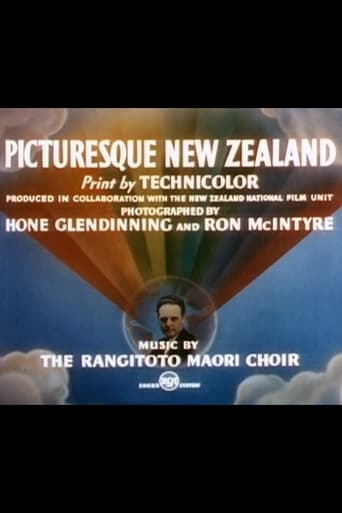
This Traveltalk series short visit to New Zealand starts in Auckland, a bustling, modern city. Next is Christchurch, home of Canterbury University, where rowing teams participate in a regatta. Nearby is Lake Wakatipu, which inspires artists to put their impressions on canvas. We then visit Rotorua, a city famous for its geysers, hot springs, bubbling mud pools, and other geothermal activity. At Ferry Springs there is lots of trout for fishing. Later, a group of natives performs a canoe dance.

Women talk about the circumstances that drove them to seek illegal abortions and the often traumatic result. Interwoven with historical photographs and newsreel footage, the stories expose how the reality of women's lives were counterposed to what was socially and morally expected of them.
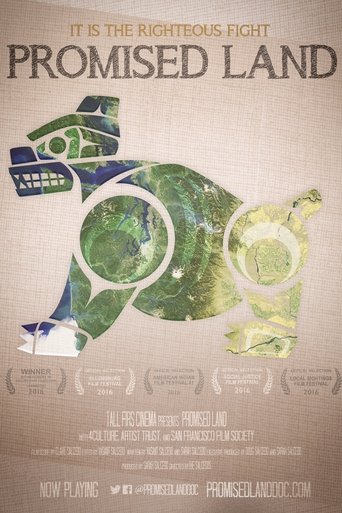
Promised Land is a social justice documentary that follows two tribes in the Pacific Northwest: the Duwamish and the Chinook, as they fight for the restoration of treaty rights they've long been denied. In following their story, the film examines a larger problem in the way that the government and society still looks at tribal sovereignty.
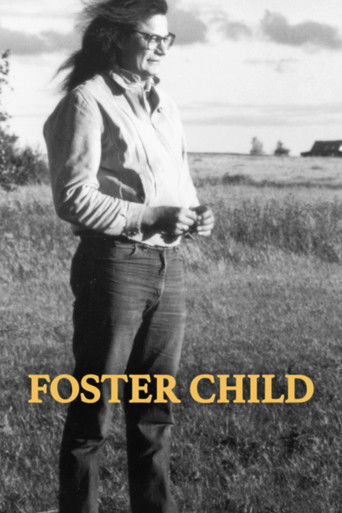
Gil Cardinal searches for his natural family and an understanding of the circumstances that led to his becoming a foster child. An important figure in the history of Canadian Indigenous filmmaking, Gil Cardinal was born to a Métis mother but raised by a non-Indigenous foster family, and with this auto-biographical documentary he charts his efforts to find his biological mother and to understand why he was removed from her. Considered a milestone in documentary cinema, it addressed the country’s internal colonialism in a profoundly personal manner, winning a Special Jury Prize at Banff and multiple international awards.