

Auschwitz Krakow Trial 1947
Documentary
Overview
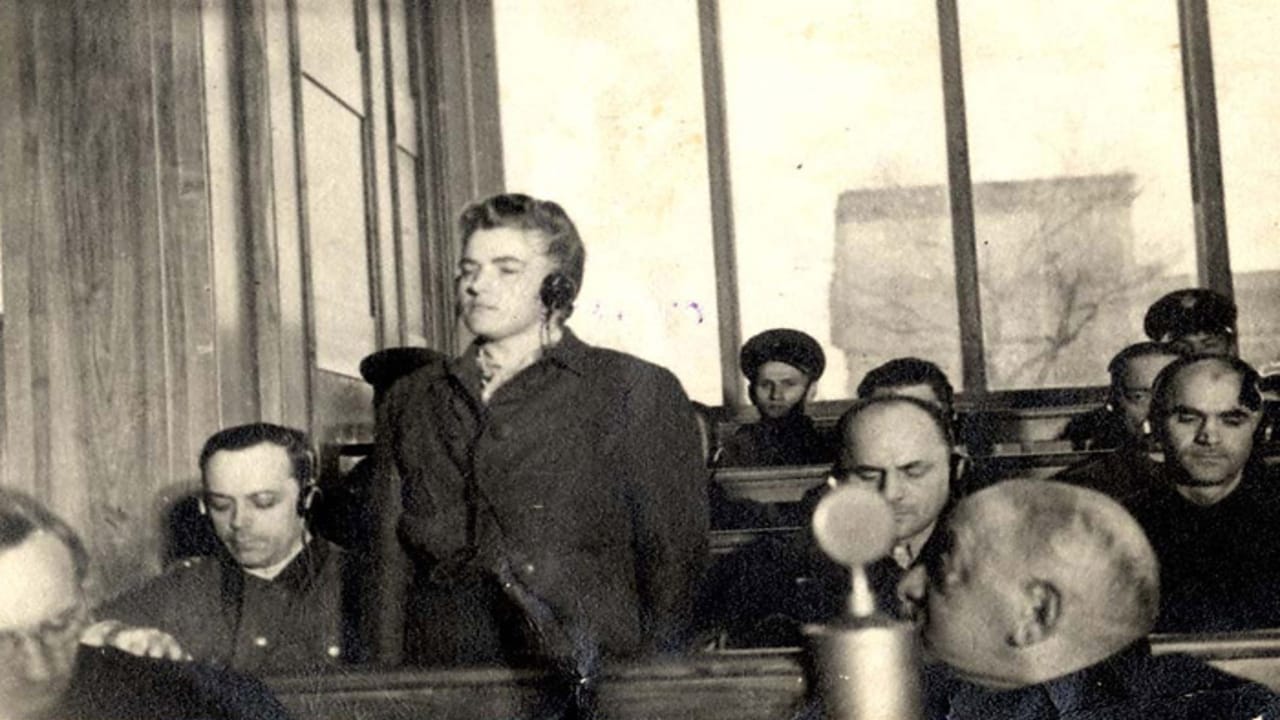
The Auschwitz trial began on November 24, 1947, in Kraków, when Polish authorities (the Supreme National Tribunal) tried 40 former staff of the Auschwitz concentration camps. The trials ended on December 22, 1947.



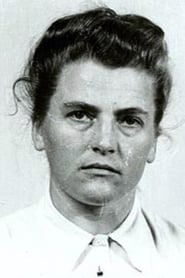
Maria Mandl
Maria Mandl
Maria Mandl
Johann Kremer
Johann Kremer
Johann Kremer
Alfred Eimer
Alfred Eimer
President of the tribunal
Alfred Eimer
President of the tribunal
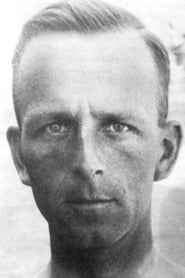
Hans Aumeier
Hans Aumeier
Hans Aumeier
Therese Brandl
Therese Brandl
Therese Brandl
Erich Mußfeldt
Erich Mußfeldt
Erich Mußfeldt
Arthur Liebehenschel
Arthur Liebehenschel
Arthur Liebehenschel
Maximilian Grabner
Maximilian Grabner
Maximilian Grabner
Stefan Kutowski
Stefan Kutowski
General Prosecutor
Stefan Kutowski
General Prosecutor
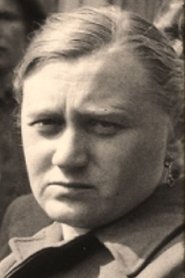
Alice Orlowski
Alice Orlowski
Alice Orlowski
Similar Movies
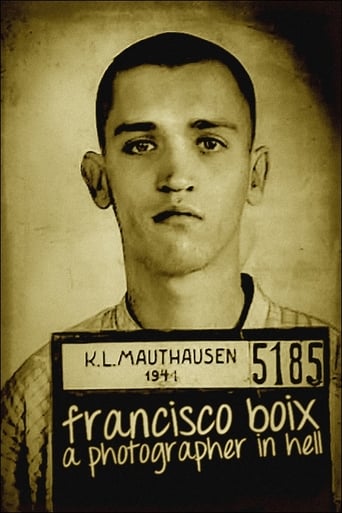
In 1939, just finished the Spanish Civil War, Spanish republican photographer Francesc Boix escapes from Spain; but is captured by the Nazis in 1940 and imprisoned in the Mauthausen concentration camp, in Austria, a year later. There, he works as a prisoner in the SS Photographic Service, hiding, between 1943 and 1945, around 20,000 negatives that later will be presented as evidence during several trials conducted against Nazi war criminals after World War II.
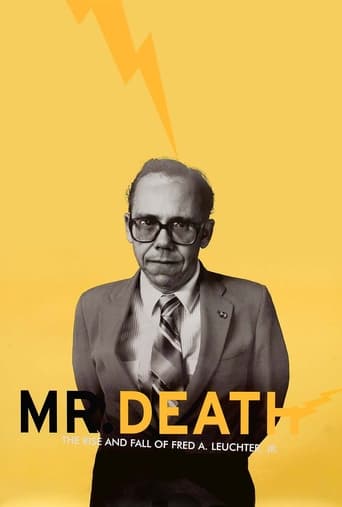
Documentary filmmaker Errol Morris investigates the case of a man who became an authority on capital punishment, but was discredited when he got involved on the wrong side of a court case. Leuchter, a meek man whose appearance belies his grim expertise, develops what he says is a more effective electric chair. Before long he's in demand from officials who want his opinions on other kinds of execution. But when called to aid the case of an accused Holocaust denier, Leuchter's problems begin.
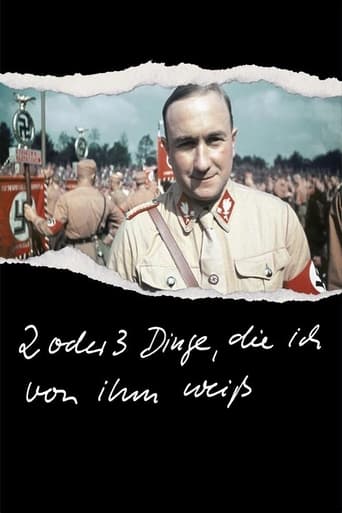
What would your family reminiscences about dad sound like if he had been an early supporter of Hitler’s, a leader of the notorious SA and the Third Reich’s minister in charge of Slovakia, including its Final Solution? Executed as a war criminal in 1947, Hanns Ludin left behind a grieving widow and six young children, the youngest of whom became a filmmaker. It's a fascinating, maddening, sometimes even humorous look at what the director calls "a typical German story." (Film Forum)
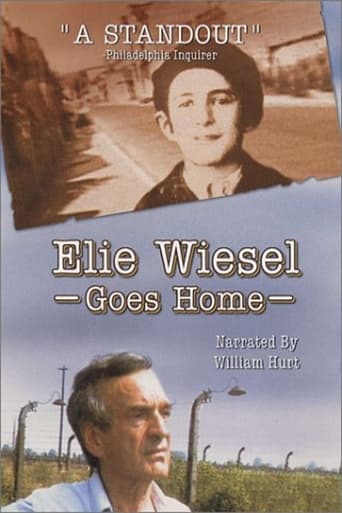
A documentary chronicling the adolescent years of Elie Wiesel and the history of his sufferings. Eliezer was fifteen when Fascism brutally altered his life forever. Fifty years later, he returns to Sighetu Marmatiei, the town where he was born, to walk the painful road of remembrance - but is it possible to speak of the unspeakable? Or does Auschwitz lie beyond the capacity of any human language - the place where words and stories run out?
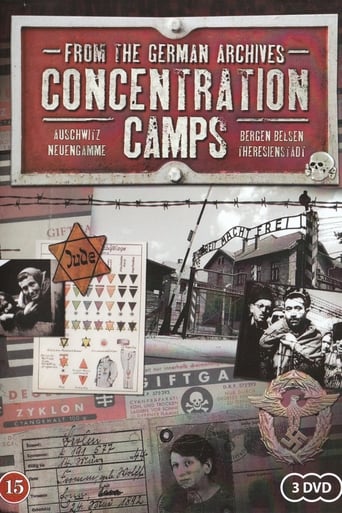
This chilling, vitally important documentary was produced to mark the 40th anniversary of the liberation of Auschwitz Concentration Camp. The film contains unedited, previously unavailable film footage of Auschwitz shot by the Soviet military forces between January 27 and February 28, 1945 and includes an interview with Alexander Voronsov, the cameraman who shot the footage. The horrifying images include: survivors; camp visit by Soviet investigation commission; criminal experiments; forced laborers; evacuation of ill and weak prisoners with the aid of Russian and Polish volunteers; aerial photos of the IG Farben Works in Monowitz; and pictures of local people cleaning up the camp under Soviet supervision. - Written by National Center for Jewish Film

Using previously unreleased archival material in addition to contemporary interviews, this Academy Award-winning documentary tells the story of the Frank family and presents the first fully-rounded portrait of their brash and free-spirited daughter Anne, perhaps the world's most famous victim of the Holocaust.