

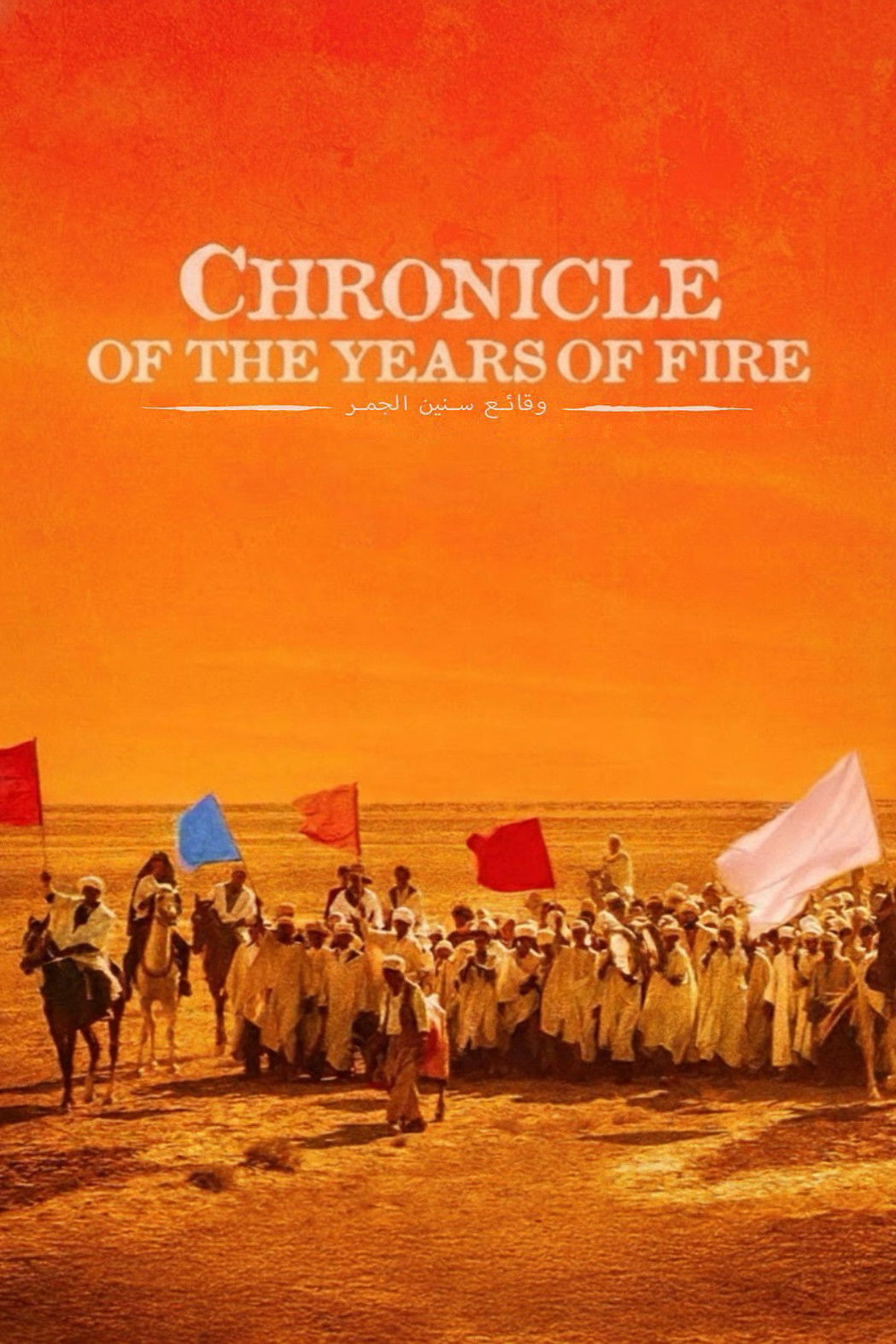
Chronicle of the Years of Fire
Drama · War · History
Overview
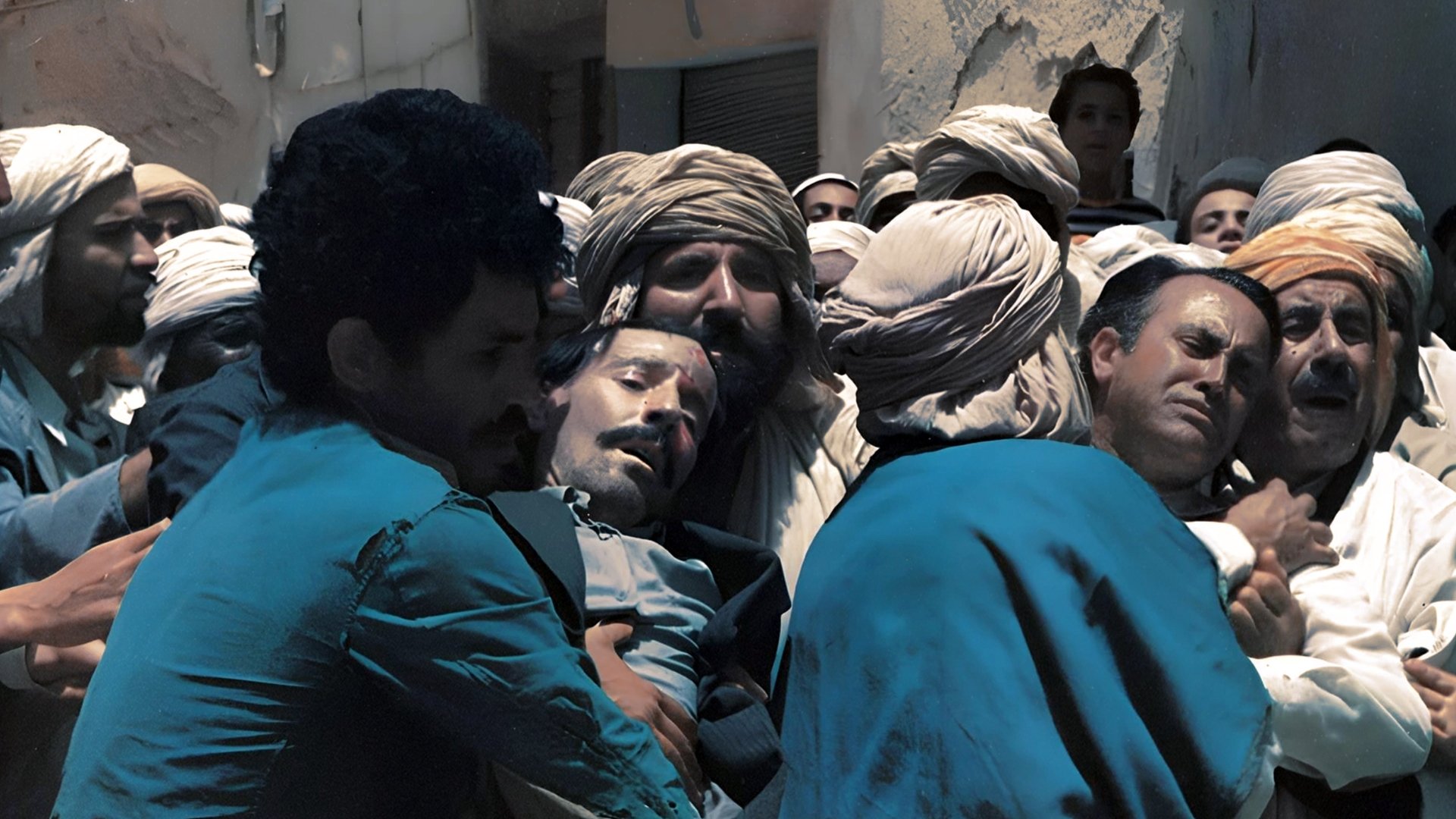
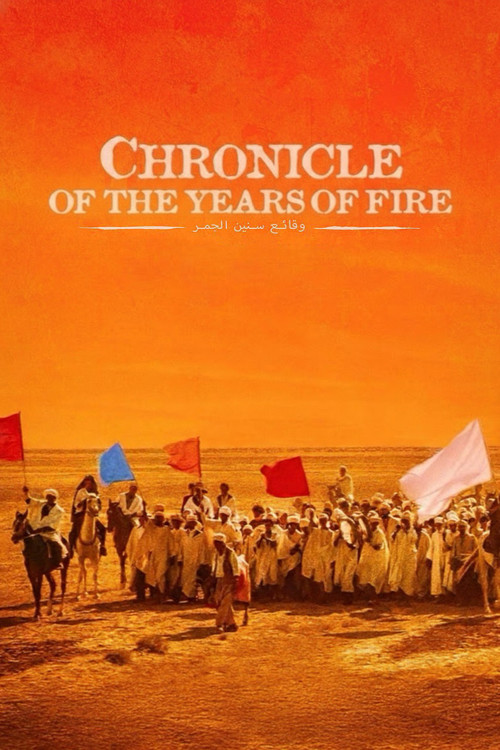
A meticulous chronicle of the evolution of the Algerian national movement from 1939 until the outbreak of the revolution on November 1, 1954, the film unequivocally demonstrates that the "Algerian War" is not an accident of history, but a slow process of suffering and warlike revolts, uninterrupted, from the start of colonization in 1830, until this "Red All Saints' Day" of November 1, 1954. At its center, Ahmed gradually awakens to political awareness against colonization, under the gaze of his son, a symbol of the new Algeria, and that of Miloud, half-mad haranguer, half-prophet, incarnation of Popular memory of the revolt, the liberation of Algeria and its people.
Top Cast

Yorgo Voyagis
Ahmed
Leila Shenna
L'Épouse d'Ahmed

Mohammed Lakhdar-Hamina
Miloud, Le conteur

Nourredine Meziane (Cheikh Nourredine)
L'ami
Sissani (Mohamed Djediat)
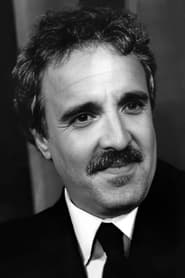
Hadj Smaine Mohamed Seghir
Slimane
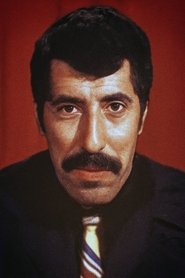
Yahia Benmabrouk
Kouider
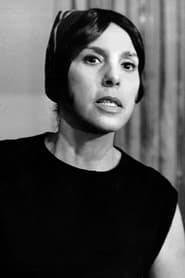
Keltoum (Aïcha Adjouri)
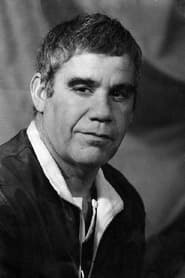
Sid Ali Kouiret
Nadia Talbi
Areski Nebti

François Maistre
Le contremaître de la carrière




Yorgo Voyagis
Yorgo Voyagis
Ahmed
Yorgo Voyagis
Ahmed
Leila Shenna
Leila Shenna
L'Épouse d'Ahmed
Leila Shenna
L'Épouse d'Ahmed
Mohammed Lakhdar-Hamina
Mohammed Lakhdar-Hamina
Miloud, Le conteur
Mohammed Lakhdar-Hamina
Miloud, Le conteur
Nourredine Meziane (Cheikh Nourredine)
Nourredine Meziane (Cheikh Nourredine)
L'ami
Nourredine Meziane (Cheikh Nourredine)
L'ami
Sissani (Mohamed Djediat)
Sissani (Mohamed Djediat)
Sissani (Mohamed Djediat)
Hadj Smaine Mohamed Seghir
Hadj Smaine Mohamed Seghir
Slimane
Hadj Smaine Mohamed Seghir
Slimane
Yahia Benmabrouk
Yahia Benmabrouk
Kouider
Yahia Benmabrouk
Kouider
Keltoum (Aïcha Adjouri)
Keltoum (Aïcha Adjouri)
Keltoum (Aïcha Adjouri)
Sid Ali Kouiret
Sid Ali Kouiret
Sid Ali Kouiret
Nadia Talbi
Nadia Talbi
Nadia Talbi
Similar Movies
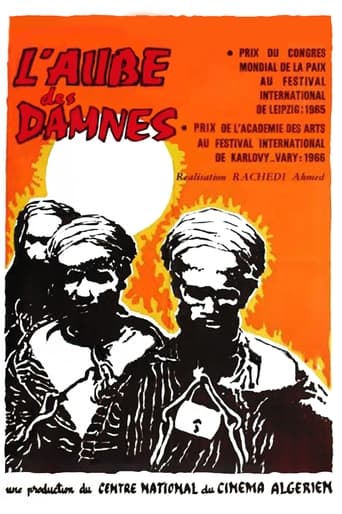
This excellent feature-length documentary - the story of the imperialist colonization of Africa - is a film about death. Its most shocking sequences derive from the captured French film archives in Algeria containing - unbelievably - masses of French-shot documentary footage of their tortures, massacres and executions of Algerians. The real death of children, passers-by, resistance fighters, one after the other, becomes unbearable. Rather than be blatant propaganda, the film convinces entirely by its visual evidence, constituting an object lesson for revolutionary cinema.
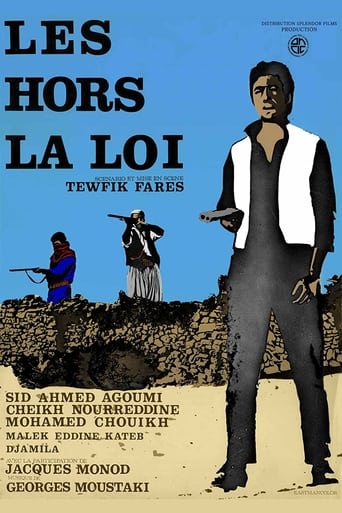
In prison in colonial Algeria, shortly after the end of the Second World War, three indigenous cellmates make out. Once free, they attack the authority represented by the triad of the boss, the gendarme and the administrator. “Living the colonial condition,” confided Tewfik Farès, “is something! It’s not sociologically or historically speaking. It’s life. And I think that’s all there in it. [...] For a hundred and thirty years, we wait. We hold back. We push back. We hope. At the same time, on different occasions, there are skirmishes, unrest.
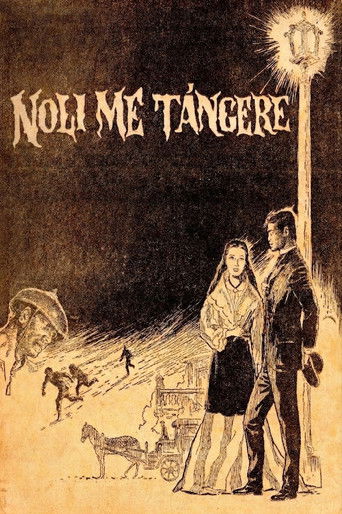
Based on the revolutionary novel by Jose Rizal, the story follows Crisostomo Ibarra, a young Filipino man who returned from his studies in Europe, who discovered that his father was falsely imprisoned and abused by the Spanish friars, including Padre Damaso. While he is making plans to uplift the lives of his fellow countrymen, he faced resistance from the Spanish colonial government.
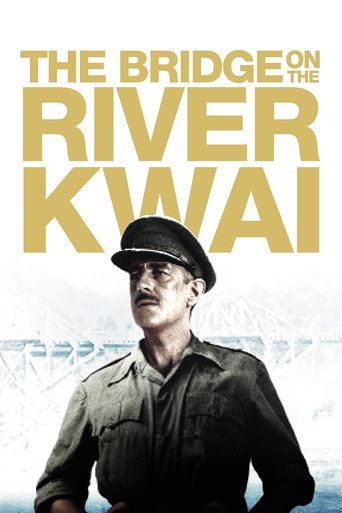
The classic story of English POWs in Burma forced to build a bridge to aid the war effort of their Japanese captors. British and American intelligence officers conspire to blow up the structure, but Col. Nicholson, the commander who supervised the bridge's construction, has acquired a sense of pride in his creation and tries to foil their plans.
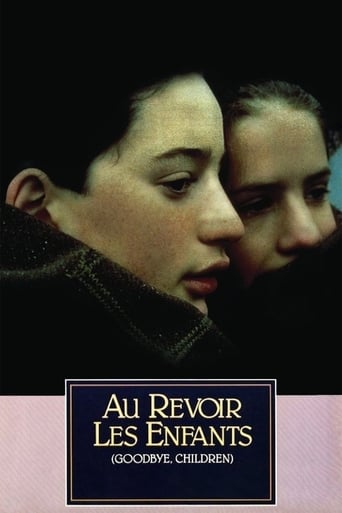
Au revoir les enfants tells a heartbreaking story of friendship and devastating loss concerning two boys living in Nazi-occupied France. At a provincial Catholic boarding school, the precocious youths enjoy true camaraderie—until a secret is revealed. Based on events from writer-director Malle’s own childhood, the film is a subtle, precisely observed tale of courage, cowardice, and tragic awakening.
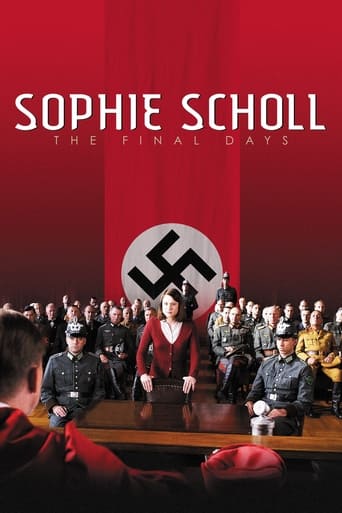
In 1943, as Hitler continues to wage war across Europe, a group of college students mount an underground resistance movement in Munich. Dedicated expressly to the downfall of the monolithic Third Reich war machine, they call themselves the White Rose. One of its few female members, Sophie Scholl is captured during a dangerous mission to distribute pamphlets on campus with her brother Hans. Unwavering in her convictions and loyalty to the White Rose, her cross-examination by the Gestapo quickly escalates into a searing test of wills as Scholl delivers a passionate call to freedom and personal responsibility.