

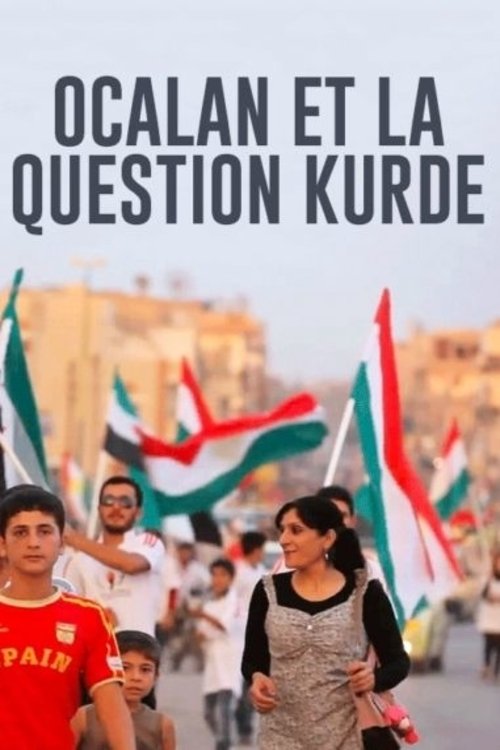
Öcalan and the Kurdish Question
Documentary
Overview
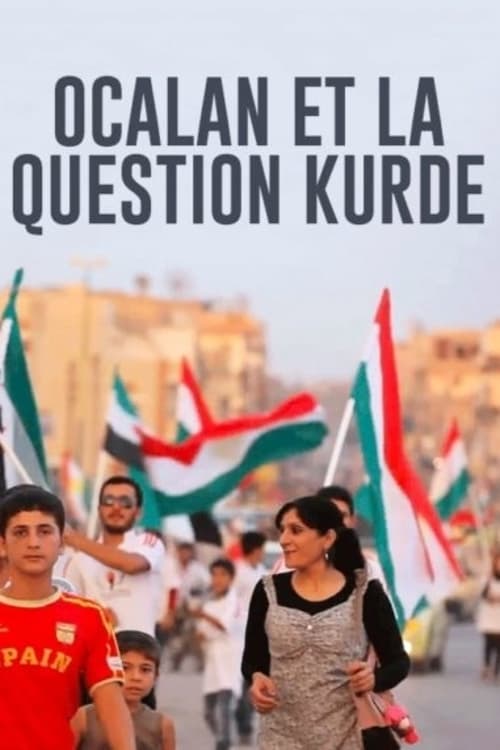
Kurdistan, partitioned between Iran, Iraq, Turkey and Syria, could play a major role in a torn Middle East. But who are the Kurds? What influence do they have? Who exactly is Abdullah Öcalan, the leader of the Kurdistan Workers' Party? An enlightening investigation by Luis Miranda.


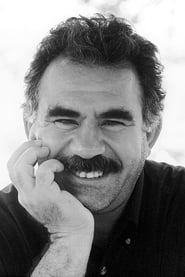
Abdullah Öcalan
Abdullah Öcalan
Himself (archive footage)
Abdullah Öcalan
Himself (archive footage)
Hugh Pope
Hugh Pope
himself
Hugh Pope
himself
Cengiz Çandar
Cengiz Çandar
himself
Cengiz Çandar
himself
Gültan Kışanak
Gültan Kışanak
herself
Gültan Kışanak
herself
Sırrı Süreyya Önder
Sırrı Süreyya Önder
himself
Sırrı Süreyya Önder
himself
Ahmet Türk
Ahmet Türk
himself
Ahmet Türk
himself
Mahmut Şakar
Mahmut Şakar
himself
Mahmut Şakar
himself
Adem Uzun
Adem Uzun
himself
Adem Uzun
himself
Aldar Xelîl
Aldar Xelîl
himself
Aldar Xelîl
himself
Antoine Comte
Antoine Comte
himself
Antoine Comte
himself
Similar Movies
Turkey's history has been shaped by two major political figures: Mustafa Kemal (1881-1934), known as Atatürk, the Father of the Turks, founder of the modern state, and the current president Recep Tayyıp Erdoğan, who apparently wants Turkey to regain the political and military pre-eminence it had as an empire under the Ottoman dynasty.
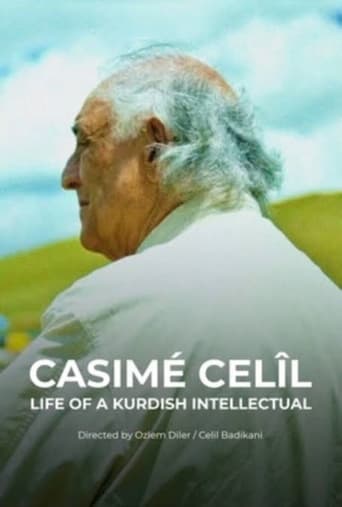
Casimê Celîl was born into a Yezidi Kurdish family in 1908, in a village called Kızılkule, located in Digor, Kars. The village and family life, which he longed to remember throughout his life, ends with the massacre they endured in 1918. During his long road to Erivan, Armenia, he lost all his family members. Left all alone, Casim was placed into an orphanage and was forced to change his name. To remember who he was and where he came from, every morning he repeated the mantra “Navê min Casim e, Ez kurê Celîlim, Ez ji gundê Qizilquleyê Dîgorê me, Ez Kurdim, Kurdê Êzîdî me”, which translates to: “My name is Casim, I am the son of Celîl, I come from the village of Kızılkule in Digor, I am a Kurd, and I am Yezidi”. He clings to every piece of his culture he can find, reads, and saves whatever Kurdish literature or art he comes across. As the year’s pass, Casim finds himself with an impressive collection of Kurdish culture and history.
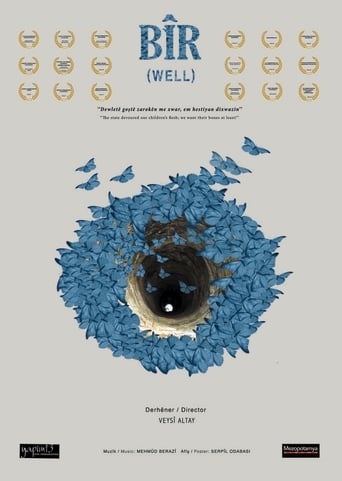
In the 1990s many people in Kurdistan were taken into custody and interrogated under torture; their killers disposed of the bodies by throwing them out of helicopters, or burying them in acid-filled wells. Thousands were murdered/disappeared by paramilitary forces—such as Jitem and Hizbul-Kontra—that were financed and supported by the state, though they have always stuck to the line: “We didn’t do it.” The documentary looks at the case of seven people, including four children, who were disappeared from the town of Kerboran [Dargeçit] in 1995, and tells the story of their families’ tireless search for their bones
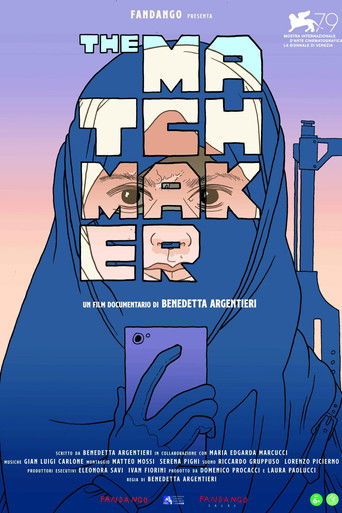
A unique interview with Tooba Gondal, the woman who groomed and lured scores of Western women to join ISIS. Using social media, she became a deadly matchmaker, recruiting a number of high-profile “jihadi brides” for ISIS militants in Syria: she allegedly helped organise the transporting of three British schoolgirls, including Shamima Begum, to Syria.