

Hell and Hope
Documentary
Overview
Islamic State militants abducted, raped, tortured, and sold thousands of girls. A few girls risked their lives to escape. What happened to them. This documentary follows those girls.
Top Cast
Lamiya Haji Bashar
Lamiya Haji Bashar
Lamiya
Lamiya Haji Bashar
Lamiya
Badeeah Hassan Ahmad
Badeeah Hassan Ahmad
Baazi
Badeeah Hassan Ahmad
Baazi
Raghib Ilyas Ahamd,
Raghib Ilyas Ahamd,
Raghib
Raghib Ilyas Ahamd,
Raghib
Jan Kizilhan
Jan Kizilhan
Dr. Jan
Jan Kizilhan
Dr. Jan
Prof. Markus Geckeler
Prof. Markus Geckeler
Prof. Markus
Prof. Markus Geckeler
Prof. Markus
Khuder Hassan
Khuder Hassan
Khuder
Khuder Hassan
Khuder
Avin
Avin
Avin
Avin
Avin
Jilan Omar Ilyas
Jilan Omar Ilyas
Jilan
Jilan Omar Ilyas
Jilan
Salwa Khalaf
Salwa Khalaf
Salwa
Salwa Khalaf
Salwa
Salina Haji Bashar
Salina Haji Bashar
Salina
Salina Haji Bashar
Salina
Similar Movies
An intrepid archeology professor and his team of students are the only ones who stand in the way of an ISIS illicit antiquities network. Faced with losing their cultural heritage they become spies and they go undercover in ISIS territory. They dodge bombs and militia to create a system to monitor theft and destruction of Syrian antiquities. During this process, they discover more than they anticipated, discovering thousands of trafficked items and that the crimes committed are being enabled by terrorists and multinational corporations. The tragedy continues because the sale of illegal goods are uncovered in the most unsuspecting place.
A unique interview with Tooba Gondal, the woman who groomed and lured scores of Western women to join ISIS. Using social media, she became a deadly matchmaker, recruiting a number of high-profile “jihadi brides” for ISIS militants in Syria: she allegedly helped organise the transporting of three British schoolgirls, including Shamima Begum, to Syria.
The eight-year Iran-Iraq War was one of the most brutal conflicts to devastate the region in the 20th century. Zahed was 13 years old when he enrolled in the Iranian army. Najah was 18 when he was conscripted into the Iraqi army, and he fought against Zahed in the Battle of Khorramshahr. Fast forward 25 years, a chance encounter in Vancouver between these two former enemies turns into a deep and mutually supportive friendship. Expanded from the 2015 short film by the same name.
Casimê Celîl was born into a Yezidi Kurdish family in 1908, in a village called Kızılkule, located in Digor, Kars. The village and family life, which he longed to remember throughout his life, ends with the massacre they endured in 1918. During his long road to Erivan, Armenia, he lost all his family members. Left all alone, Casim was placed into an orphanage and was forced to change his name. To remember who he was and where he came from, every morning he repeated the mantra “Navê min Casim e, Ez kurê Celîlim, Ez ji gundê Qizilquleyê Dîgorê me, Ez Kurdim, Kurdê Êzîdî me”, which translates to: “My name is Casim, I am the son of Celîl, I come from the village of Kızılkule in Digor, I am a Kurd, and I am Yezidi”. He clings to every piece of his culture he can find, reads, and saves whatever Kurdish literature or art he comes across. As the year’s pass, Casim finds himself with an impressive collection of Kurdish culture and history.
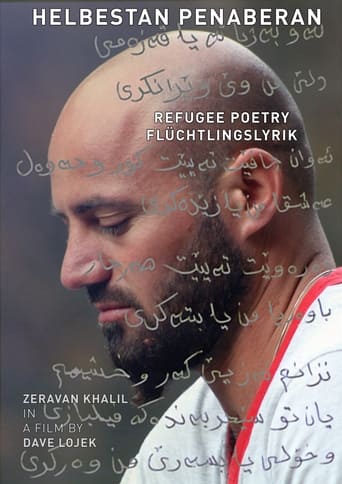
The Kurdish Iraqi poet and actor Zeravan Khalil travels with his dog through an Alpine gorge after fleeing from IS war and genocide. As he remembers the abomination, he writes a poem with the title “You drive me mad” in Kurmanji Kurdish. In his home country, Yazidic Kurds are forbidden to work in his profession. Then he eats his apple and wanders through Europe’s middle with more hope.
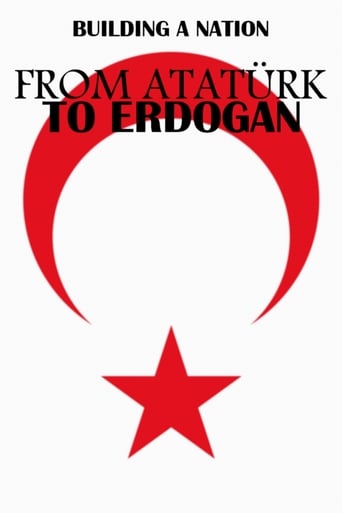
Turkey's history has been shaped by two major political figures: Mustafa Kemal (1881-1934), known as Atatürk, the Father of the Turks, founder of the modern state, and the current president Recep Tayyıp Erdoğan, who apparently wants Turkey to regain the political and military pre-eminence it had as an empire under the Ottoman dynasty.
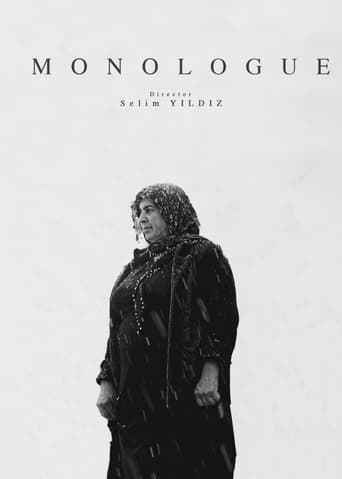
Sivan Encü, a young Kurdish man, provided for his family by "smuggling" through the Turkish-Iraqi border. When he was murdered in the 2011 Robozik (Roboski) Massacre, the responsibility of family's welfare was taken over by his younger brother Sinan, who lost his life in an unfortunate accident. This is the story of their grief-stricken mother Heyam and her resilience. Alongside Heyam's struggle, the film brings the voices of Robozik elders and notables to the forefront, who have experienced first-hand the social, political and economic dimensions of smuggling, which has been the backbone of survival for the locals for many generations.