

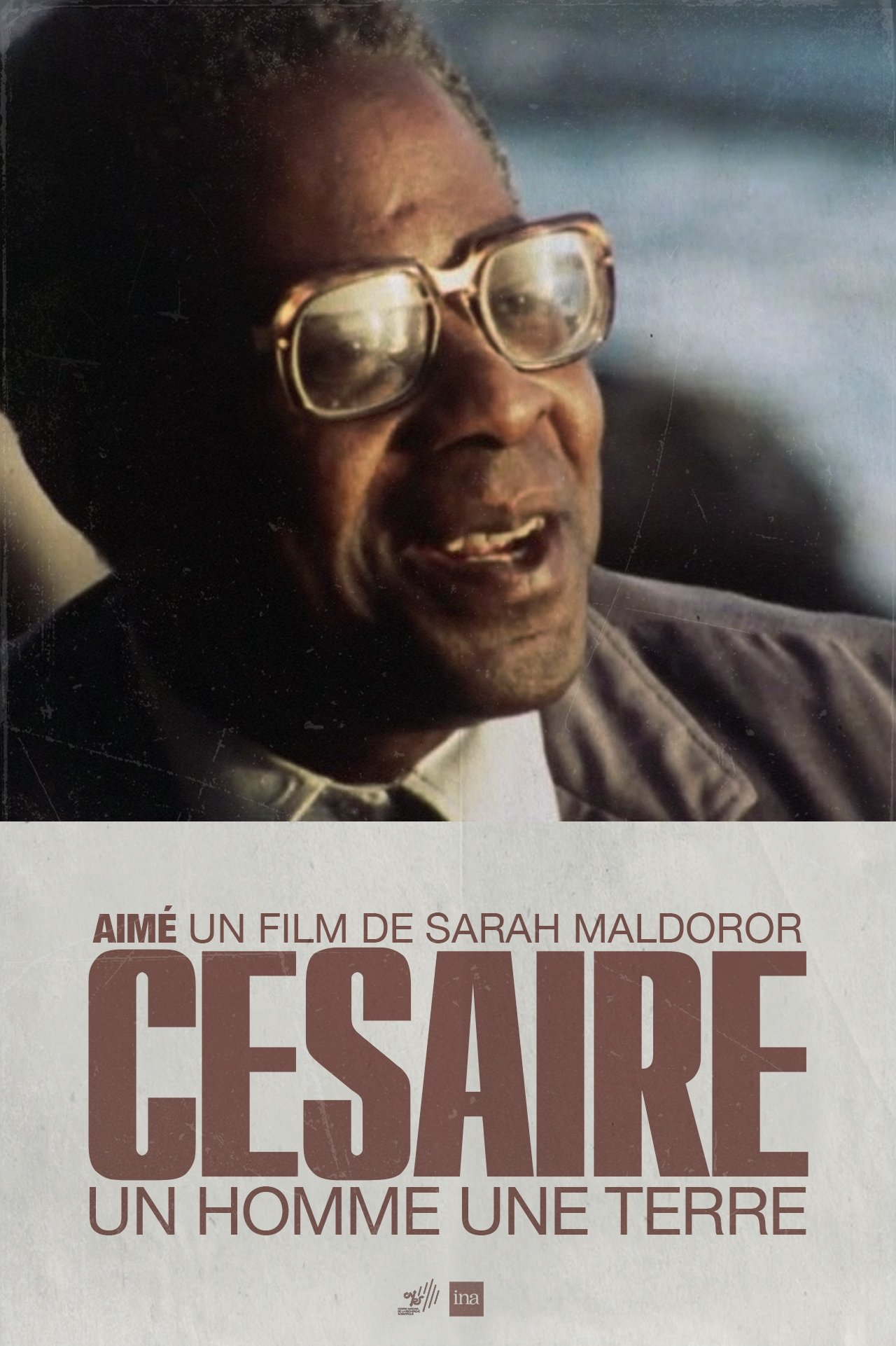
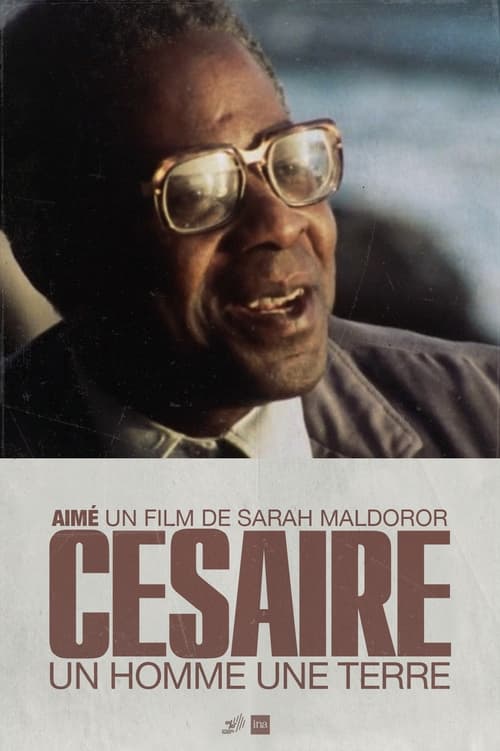
Aimé Césaire, Un homme une terre
Documentary
Overview
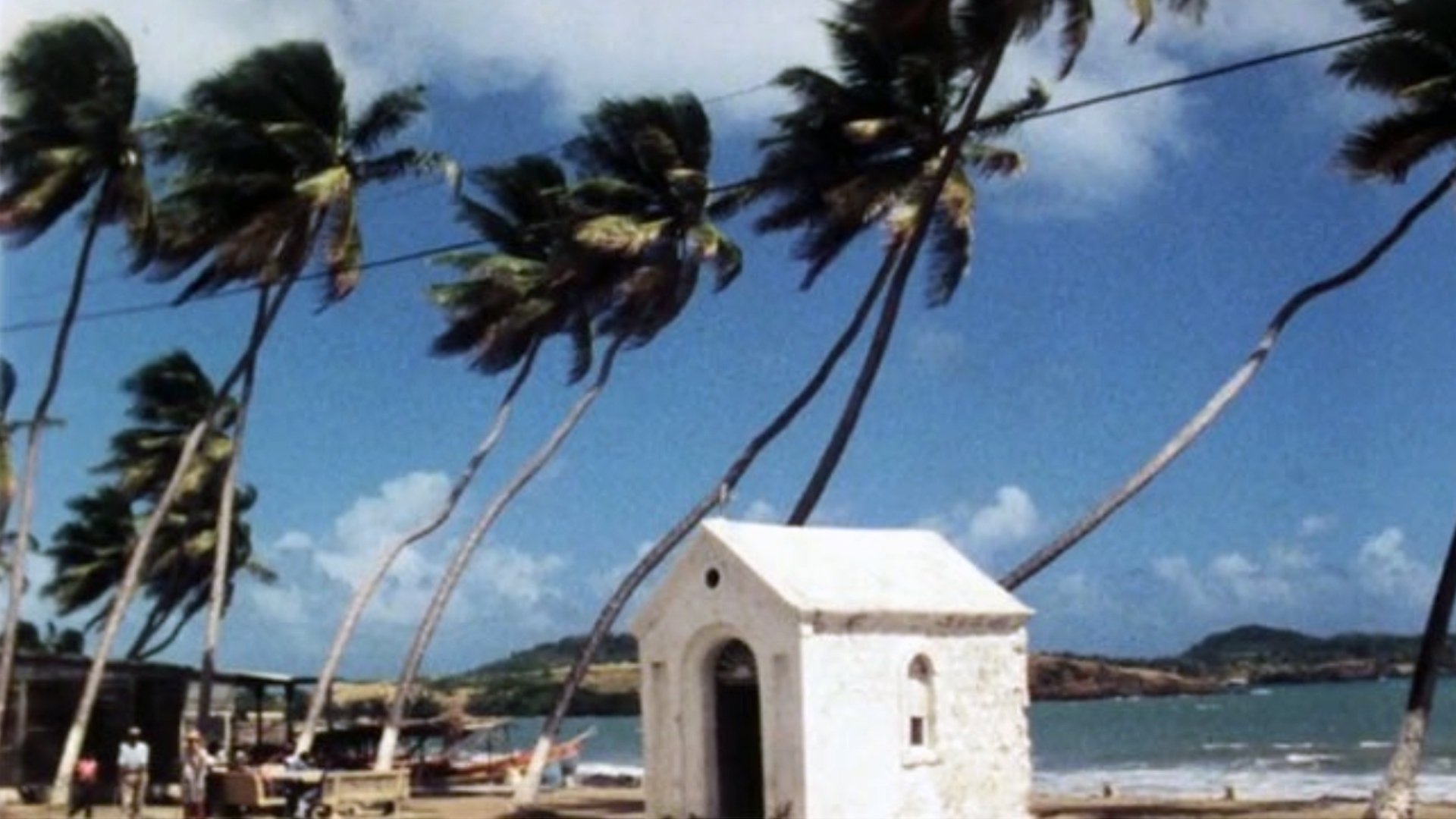
Alternating interview segments, shots of Martinique landscapes and scenes from Aimé Césaire's play La Tragédie du roi Christophe (1963), Sarah Maldoror portrays her friend as a politician, a poet, and a founder of the Négritude movement.
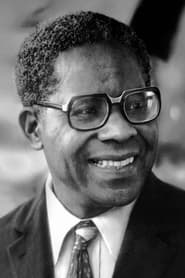
Aimé Césaire
Aimé Césaire
Self
Aimé Césaire
Self
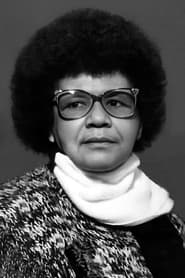
Sarah Maldoror
Sarah Maldoror
Self
Sarah Maldoror
Self
Douta Seck
Douta Seck
Roi Christophe
Douta Seck
Roi Christophe
Similar Movies
During the last forty years, the photographer Sebastião Salgado has been travelling through the continents, in the footsteps of an ever-changing humanity. He has witnessed the major events of our recent history: international conflicts, starvations and exodus… He is now embarking on the discovery of pristine territories, of the wild fauna and flora, of grandiose landscapes: a huge photographic project which is a tribute to the planet's beauty. Salgado's life and work are revealed to us by his son, Juliano, who went with him during his last journeys, and by Wim Wenders, a photographer himself.

John is a Haitian migrant who fled his country due to political instability and death threats. After a long journey, he managed to be recognized as a refugee in Mexico, allowing him to start a new chapter in a new land. However, for John, this story is far from over as his wife and baby remain stranded in Chile. Every day, John takes steps towards family reunification, longing to embrace those who are his true refuge.
An exhaustive explanation of how the military occupation of an invaded territory occurs and its consequences, using as a paradigmatic example the recent history of Israel and the Palestinian territories, the West Bank and the Gaza Strip, from 1967, when the Six-Day War took place, to the present day; an account by filmmaker Avi Mograbi enriched by the testimonies of Israeli army veterans.
Enforced disappearances, torture, secret prisons, mass graves, no trial and no justice. The history of Western Sahara, the area south of Morocco with an as yet undefined political status, is marked by a dark sequence of human rights violations. And it’s still forgotten. The documentary tells the story of Sahrawi people through the voices of special women who’ve been victims of violence, both in Western Sahara and in the refugee camps in Algeria. Through their testimonies, diaries and old photographs, the movie reconstructs the history of Western Sahara from a female and intimate point of view.
Throughout the Islamic world, each year hundreds of women are shot, stabbed, strangled or burned to death by male relatives because they are thought to have “dishonoured” their families. They may have lost their virginity, refused an arranged marriage or left an abusive husband. Even if a woman is raped or merely the victim of gossip, she must pay the price. Crimes of Honour documents the terrible reality of femicide – the belief that a girl’s body is the property of the family, and any suggestion of sexual impropriety must be cleansed with her blood. We meet women in hiding from their families, a brother who describes his reasons for killing the sister he loved, and a handful of women who have committed themselves to the protection of young women in danger of losing their lives.
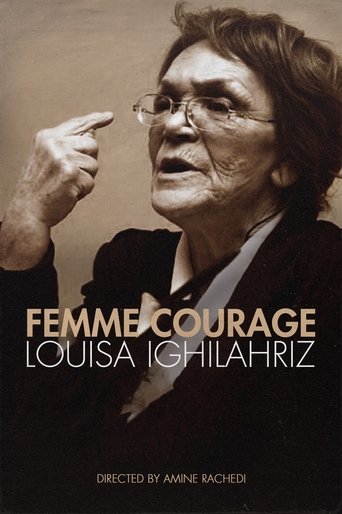
The autobiographical account of the tormented life of a witness of the century: Louisa Ighilahriz, activist and leading figure in Algerian independence. A student, she joined the independence struggle at the age of 20, joining the ranks of the FLN on the eve of the Battle of Algiers in late 1956 under the name Lila. She took part in the high school students' strike, then fled into the maquis when she was actively sought after. She was part of the French FLN support network of "suitcase carriers" during the Battle of Algiers. Seriously wounded alongside her network leader, Saïd Bakel, during an ambush in 1957, hospitalized and then imprisoned, she suffered numerous tortures in French prisons. She will be saved from certain death by an anonymous person, she will seek, for forty years, to find him just to show him her gratitude... Emblematic of the painful Franco-Algerian history, Louisa's story is poignant and imbued with humanism.
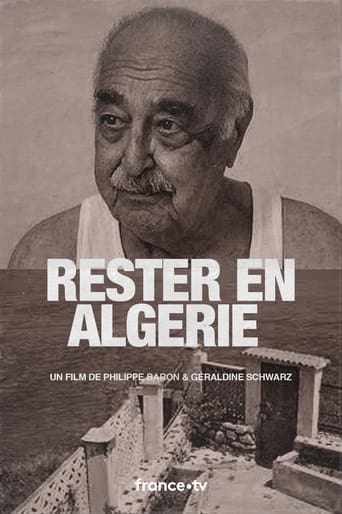
Algeria, summer 1962, eight hundred thousand French people left their native land in a tragic exodus. But 200,000 of them decided to attempt the adventure of independent Algeria. Over the following decades, political developments would push many of these pieds-noirs into exile towards France. But some never left. Germaine, Adrien, Cécile, Guy, Jean-Paul, Marie-France, Denis and Félix, Algerians of European origin, are among them. Some have Algerian nationality, others do not. Some speak Arabic, others do not. They are the last witnesses to the little-known history of these Europeans who remained out of loyalty to an ideal, a taste for adventure and an unconditional love for a land where they were born, despite all the ups and downs that the free Algeria in full construction had to go through.
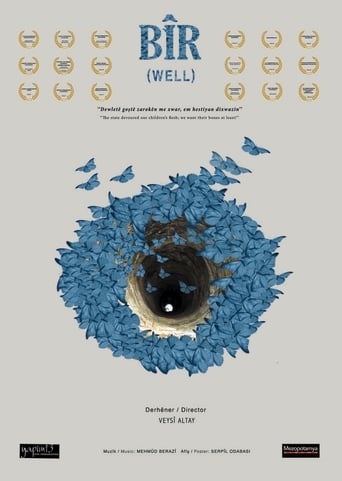
In the 1990s many people in Kurdistan were taken into custody and interrogated under torture; their killers disposed of the bodies by throwing them out of helicopters, or burying them in acid-filled wells. Thousands were murdered/disappeared by paramilitary forces—such as Jitem and Hizbul-Kontra—that were financed and supported by the state, though they have always stuck to the line: “We didn’t do it.” The documentary looks at the case of seven people, including four children, who were disappeared from the town of Kerboran [Dargeçit] in 1995, and tells the story of their families’ tireless search for their bones
Festival panafricain d'Alger is a documentary by William Klein of the music and dance festival held 40 years ago in the streets and in venues all across Algiers. Klein follows the preparations, the rehearsals, the concerts… He blends images of interviews made to writers and advocates of the freedom movements with stock images, thus allowing him to touch on such matters as colonialism, neocolonialism, colonial exploitation, the struggles and battles of the revolutionary movements for Independence.