

Barbara Rubin and the Exploding NY Underground
Documentary
Overview
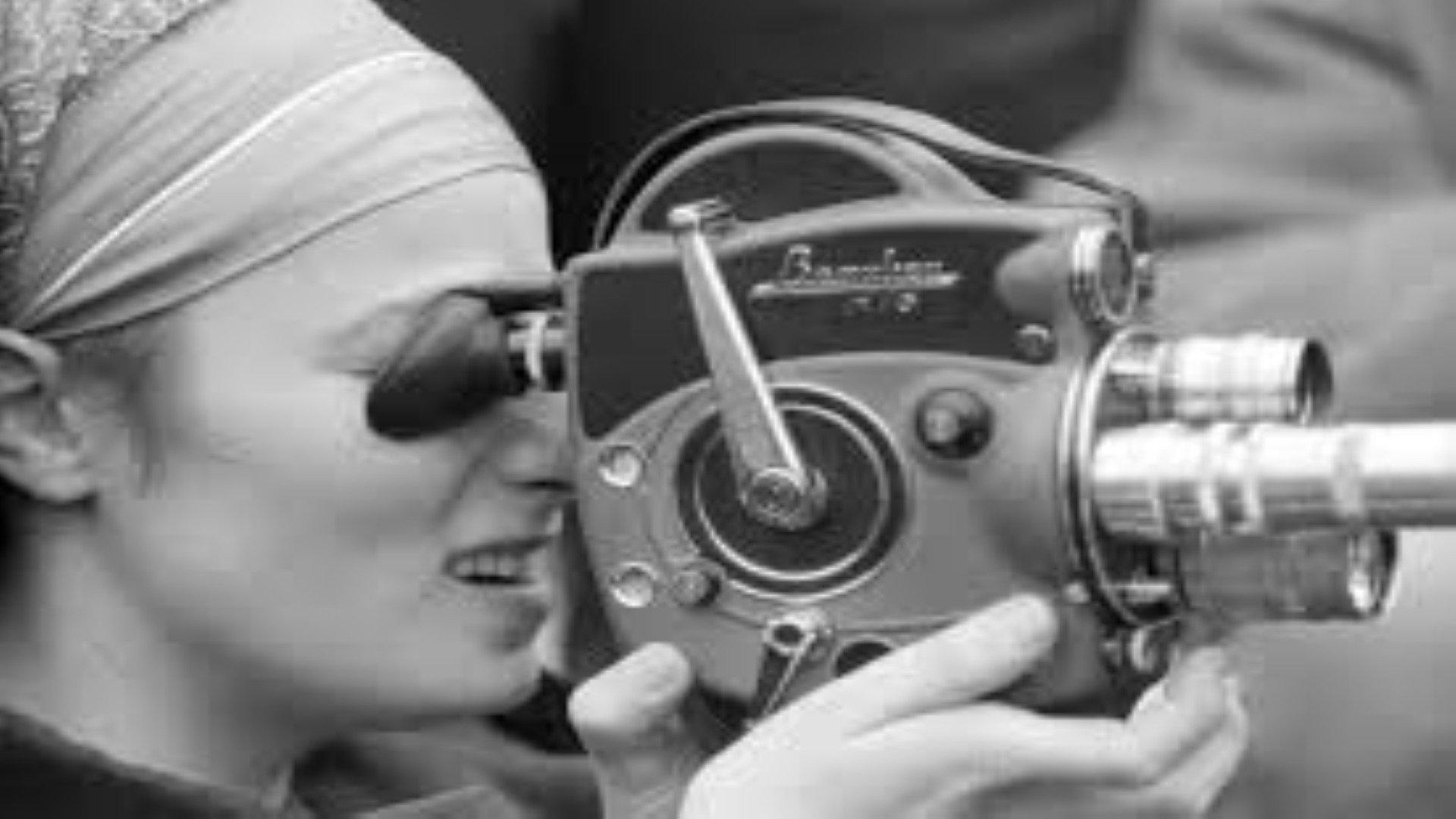
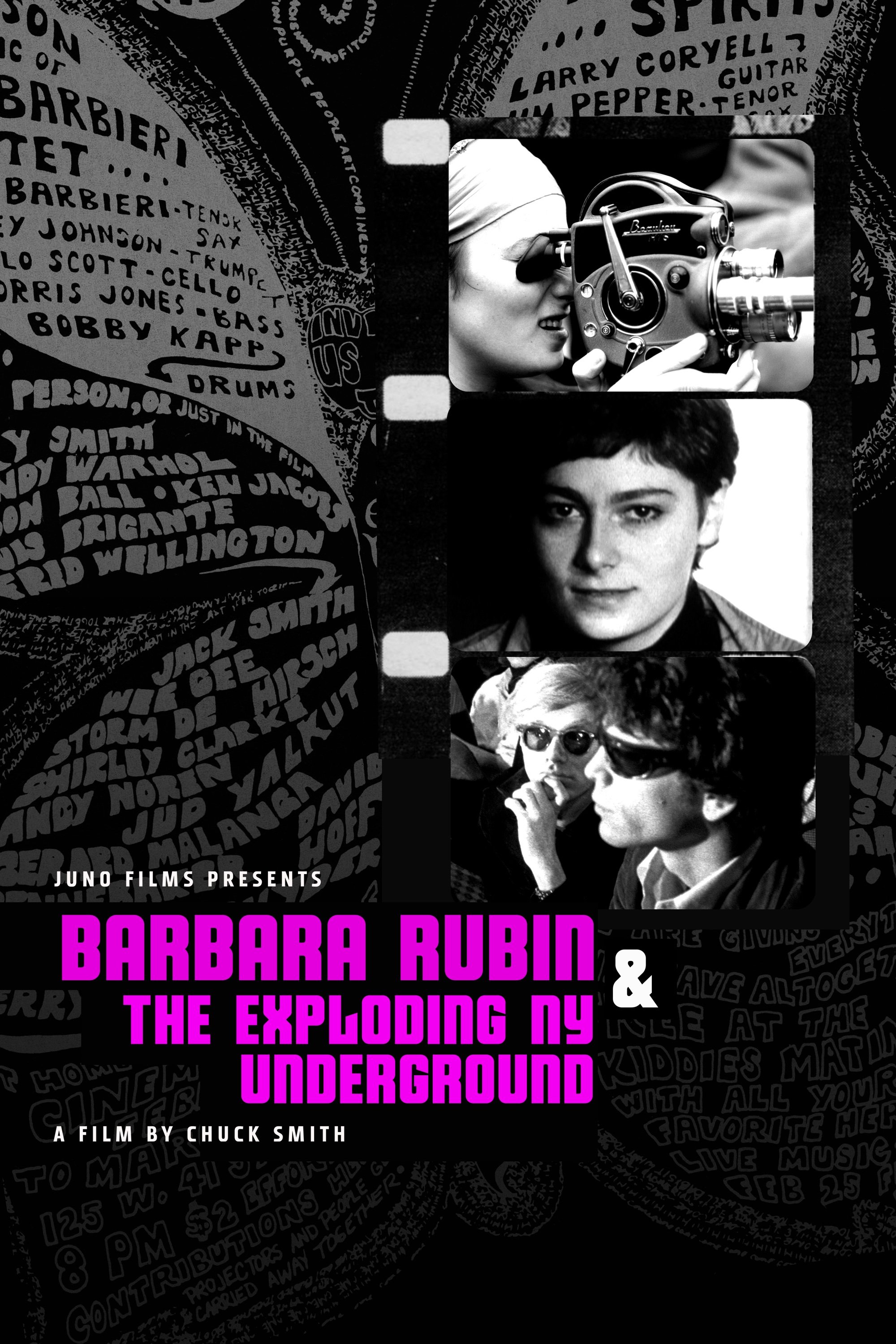
The 29-minute experimental film Christmas on Earth caused a sensation when it first screened in New York City in 1964. Its orgy scenes, double projections and overlapping images shattered artistic conventions and announced a powerful new voice in the city's underground film scene. All the more remarkable, that vision belonged to a teenager, 18-year-old Barbara Rubin. A Zelig of the '60s, she introduced Andy Warhol to the Velvet Underground, Bob Dylan to Kabbalah and bewitched Allen Ginsberg. The same unbridled creativity that inspired her to make films when women simply didn't, saw her breach yet another male domain, Orthodox Judaism, before her mysterious death at 35. Lifelong friend Jonas Mekas saved all her letters, creating a rich archive that filmmaker Chuck Smith carefully sculpts into this fascinating portrait of a nearly forgotten artist. An avante-garde maverick, a rebel in a man's world, Barbara Rubin regains her rightful place in film history.



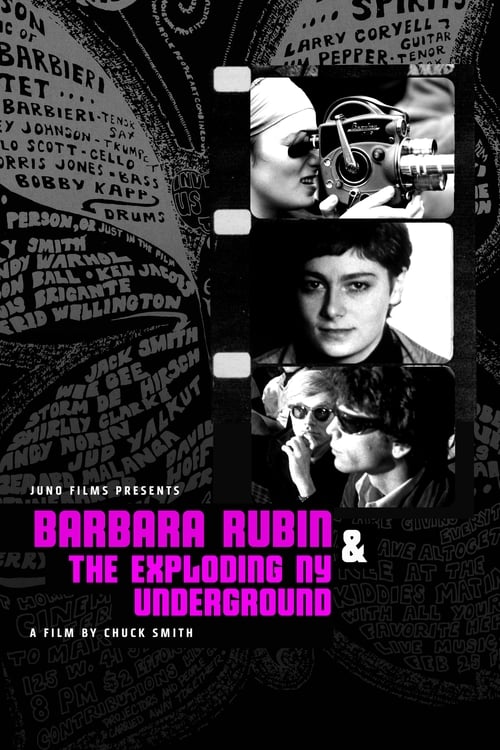

Barbara Rubin
Barbara Rubin
Self (archive footage)
Barbara Rubin
Self (archive footage)
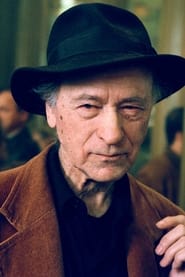
Jonas Mekas
Jonas Mekas
Jonas Mekas

Amy Taubin
Amy Taubin
Amy Taubin

Bob Dylan
Bob Dylan
Bob Dylan
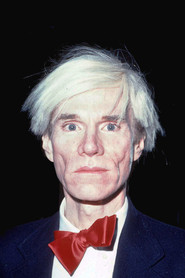
Andy Warhol
Andy Warhol
Andy Warhol
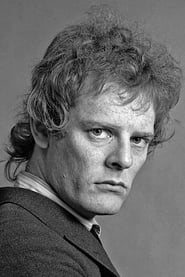
Paul Morrissey
Paul Morrissey
Paul Morrissey
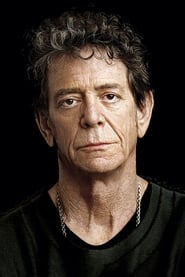
Lou Reed
Lou Reed
Lou Reed

John Cale
John Cale
John Cale

Nico
Nico
Nico
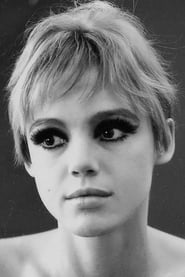
Edie Sedgwick
Edie Sedgwick
Edie Sedgwick
Similar Movies
The video revolution of the 1970s offered unprecedented access to the moving image for artists and performers. This Is Not a Dream explores the legacies of this revolution and its continued impact on contemporary art and performance. Charting a path across four decades of avant-garde experiment and radical escapism, This Is Not a Dream traces the influences of Andy Warhol, John Waters and Jack Smith to the perverted frontiers of YouTube and Chatroulette, taking in subverted talk shows and soap operas, streetwalker fashions and glittery magic penises along the way.
When looking at Pedro Almodóvar’s filmography, it becomes evident that women are everywhere; in fact, his work revolves around them. His divas are the best to create a real portrait of Almodóvar and evoke the emotional power of his films. These women are the ideal observers of a cinematic career that, from La Mancha to Hollywood, has changed the image of Spain in the world.

A rare behind-the-scenes view of the exploding New York “underground” in the late sixities, a turbulent time and place that was to change American culture forever. A German TV crew, led by journalist Gideon Bachmann, explores the epicenter of the sixties revolution in art, music, poetry and film and interviews the main players in the “New American Cinema,” that was born on the streets of New York. Against a backdrop of cultural upheaval in all of the arts and growing political agitation against the Vietnam War, Bachman interviews the most prominent figures in “underground film,” including Jonas Mekas, Shirley Clarke, the Kuchar Brothers and Bruce Connor, and visits the most notorious location in the New York art world of the era - Andy Warhol’s Factory - to conduct an interview with the genius of Pop Art himself.
The first American documentary about Traditional (Non-Racist) Skinheads. Focuses on the 'cross of cultures' that came together to form the Skinhead identity: The origins of the Skinhead scene in England, its roots in Jamaican Reggae and Ska (mid-'60s) to its revival and global impact with 2 Tone, Punk, Oi, and Hardcore (late '70s to present day). Features interviews and live concert footage by current bands across these various musical genres in the United States, England and Germany; discussing their viewpoints on Skinhead, its Working Class values, and its continuing relevance around the world.
"(On the Quest for) Beograd Underground" is an independent documentary film in the form of a sequence of interviews with alternative artists from Serbia who have dedicated their lives to the creation of one (sub)culture, very rich in its nuances, yet very precarious in its existence. Numerous artists speak of their conceptions of the underground as a movement, a way of perceiving reality, a way of social engagement, and even a way of living. The specific socio-historical condition in the '90s resulted in intensive artistic activity as a response to the totalitarian regime. This film is a collection of the personal experiences of artists who were involved in the underground scene since the '90s until the first decade of the new millennium.
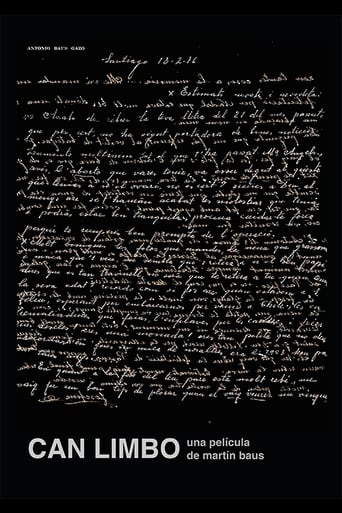
A group of musicians seem isolated from the world playing beautiful pieces. But in the darkness of the night, and from their minds, there are melancholies on earth, loves and families that they left behind. Their silences, their letters, these elements shape the poetic intention of this documentary.