

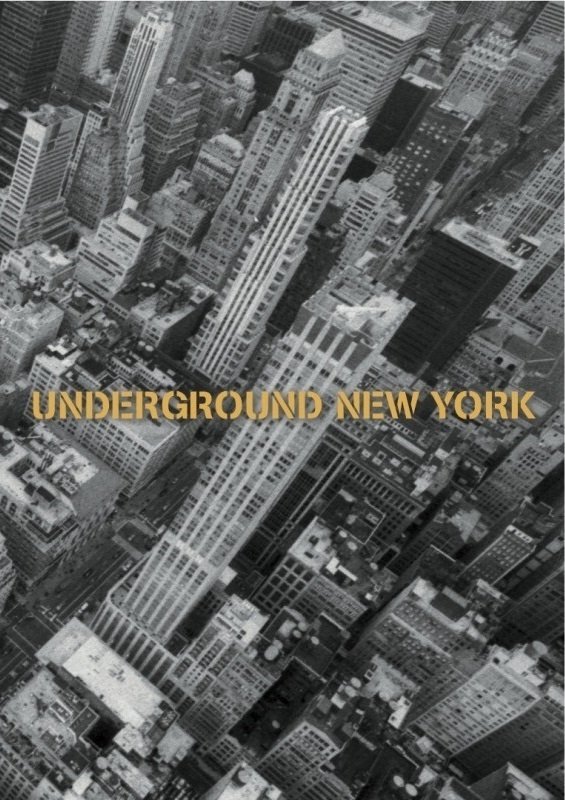
Underground New York
Documentary
Overview
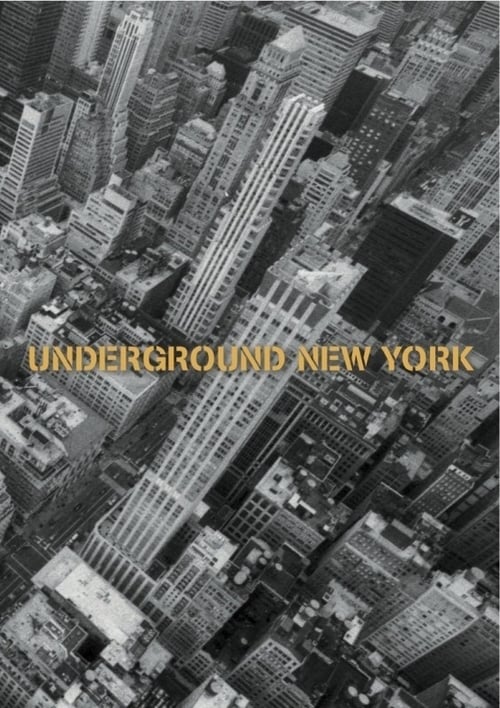
A rare behind-the-scenes view of the exploding New York “underground” in the late sixities, a turbulent time and place that was to change American culture forever. A German TV crew, led by journalist Gideon Bachmann, explores the epicenter of the sixties revolution in art, music, poetry and film and interviews the main players in the “New American Cinema,” that was born on the streets of New York. Against a backdrop of cultural upheaval in all of the arts and growing political agitation against the Vietnam War, Bachman interviews the most prominent figures in “underground film,” including Jonas Mekas, Shirley Clarke, the Kuchar Brothers and Bruce Connor, and visits the most notorious location in the New York art world of the era - Andy Warhol’s Factory - to conduct an interview with the genius of Pop Art himself.




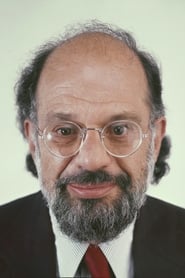
Allen Ginsberg
Allen Ginsberg
Self
Allen Ginsberg
Self
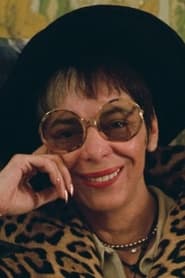
Shirley Clarke
Shirley Clarke
Self
Shirley Clarke
Self
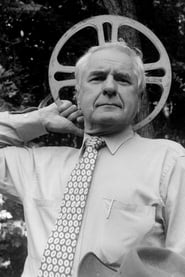
Adolfas Mekas
Adolfas Mekas
Self
Adolfas Mekas
Self
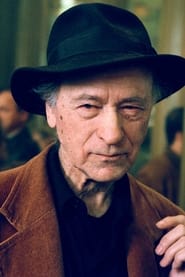
Jonas Mekas
Jonas Mekas
Self
Jonas Mekas
Self

Michelangelo Antonioni
Michelangelo Antonioni
Self
Michelangelo Antonioni
Self
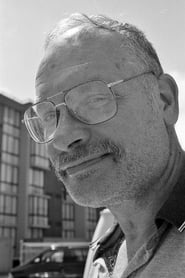
George Kuchar
George Kuchar
Self
George Kuchar
Self
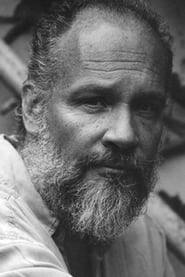
Mike Kuchar
Mike Kuchar
Self
Mike Kuchar
Self
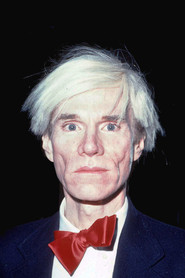
Andy Warhol
Andy Warhol
Self
Andy Warhol
Self

Bruce Conner
Bruce Conner
Self
Bruce Conner
Self
Similar Movies
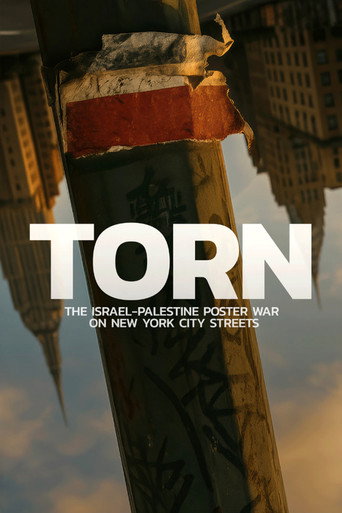
After Hamas kidnapped 251 people from Israel on October 7, and as Israel’s war in Gaza unfolded, a conflict thousands of miles away erupted on New York’s walls. TORN captures the emotional fallout of the now-iconic “KIDNAPPED” poster campaign - a grassroots act of solidarity that quickly became a flashpoint, igniting fierce confrontations between pro-Israel and pro-Palestinian New Yorkers. Through the voices of artists, activists, and hostage families, the film unpacks the motivations behind those putting up and tearing down the posters, exposing a complex proxy war fought in stickers, slogans, and torn paper. By revealing how a distant war fractured daily life in one of the world’s most diverse cities, the film forces a reckoning with identity, free speech, and empathy in an age of polarization.

In 2011, Maine State Prison launched a pioneering reform program to scale back its use of solitary confinement. Bafta and Emmy-winning film-maker Dan Edge and his co-director Lauren Mucciolo were given unprecedented access to the solitary unit - and filmed there for more than three years. The result is an extraordinary and harrowing portrait of life in solitary - and a unique document of a radical and risky experiment to reform a prison. The US is the world leader in solitary confinement. More than 80,000 American prisoners live in isolation, some have been there for years, even decades. Solitary is proven to cause mental illness, it is expensive, and it is condemned by many as torture. And yet for decades, it has been one of the central planks of the American criminal justice system.
As Black and LGBTQ+ History Month begin this February, material science clothing brand PANGAIA leads celebrations with a poetic film that honors these two communities. Following a year of isolation, and with it a deeper understanding of the importance of outdoor spaces and the environment, Wè is a portrait of the self-love and acceptance we have learned to show others and gift to ourselves.
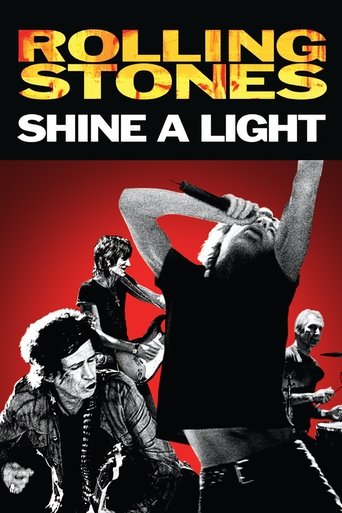
Martin Scorsese’s electrifying concert documentary captures The Rolling Stones live at New York’s Beacon Theatre during their A Bigger Bang tour. Filmed over two nights in 2006 with an all-star team of cinematographers, the film combines dynamic performances with archival footage and rare glimpses behind the scenes, offering a vibrant portrait of the band’s enduring energy and legacy.
The best known, "Weegee's New York" (1948), presents a surprisingly lyrical view of the city without a hint of crime or murder. Already this film gives evidence, here very restrained, of Weegee's interest in technical tricks: blur, speeded up or slowed-down film, a lens that makes the city's streets curve as if cars are driving over a rainbow. - The New York Times