

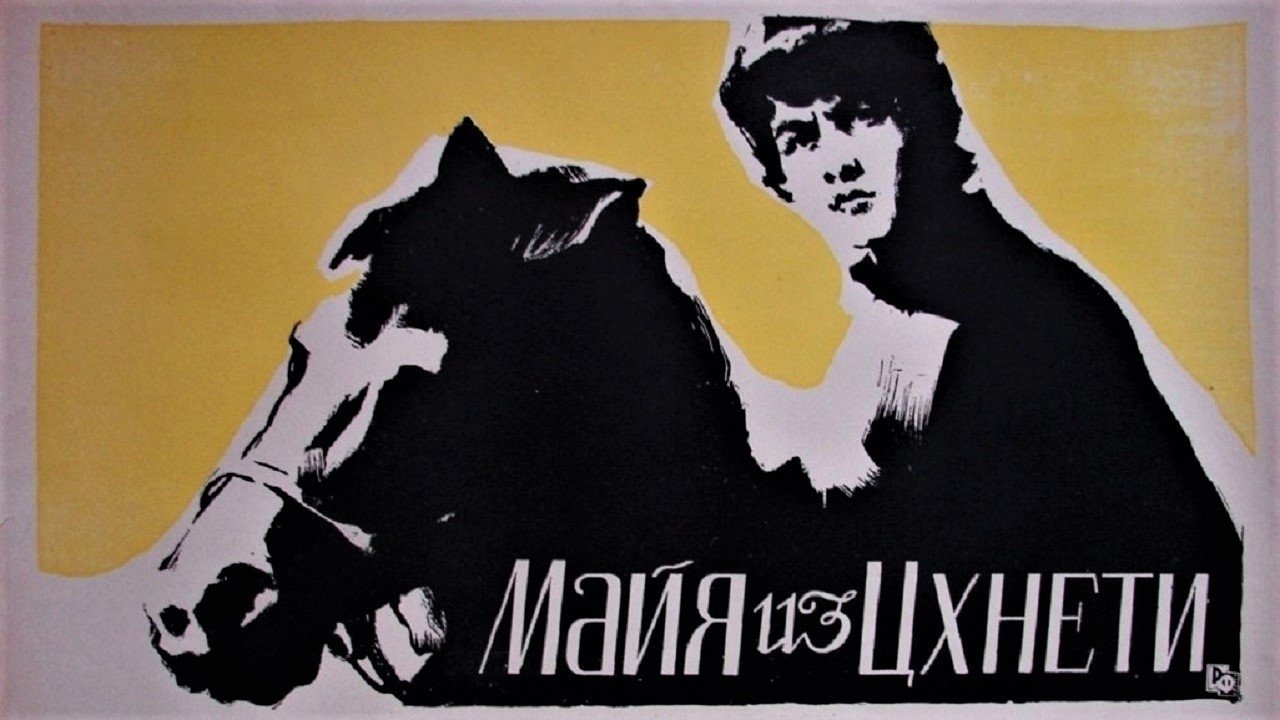
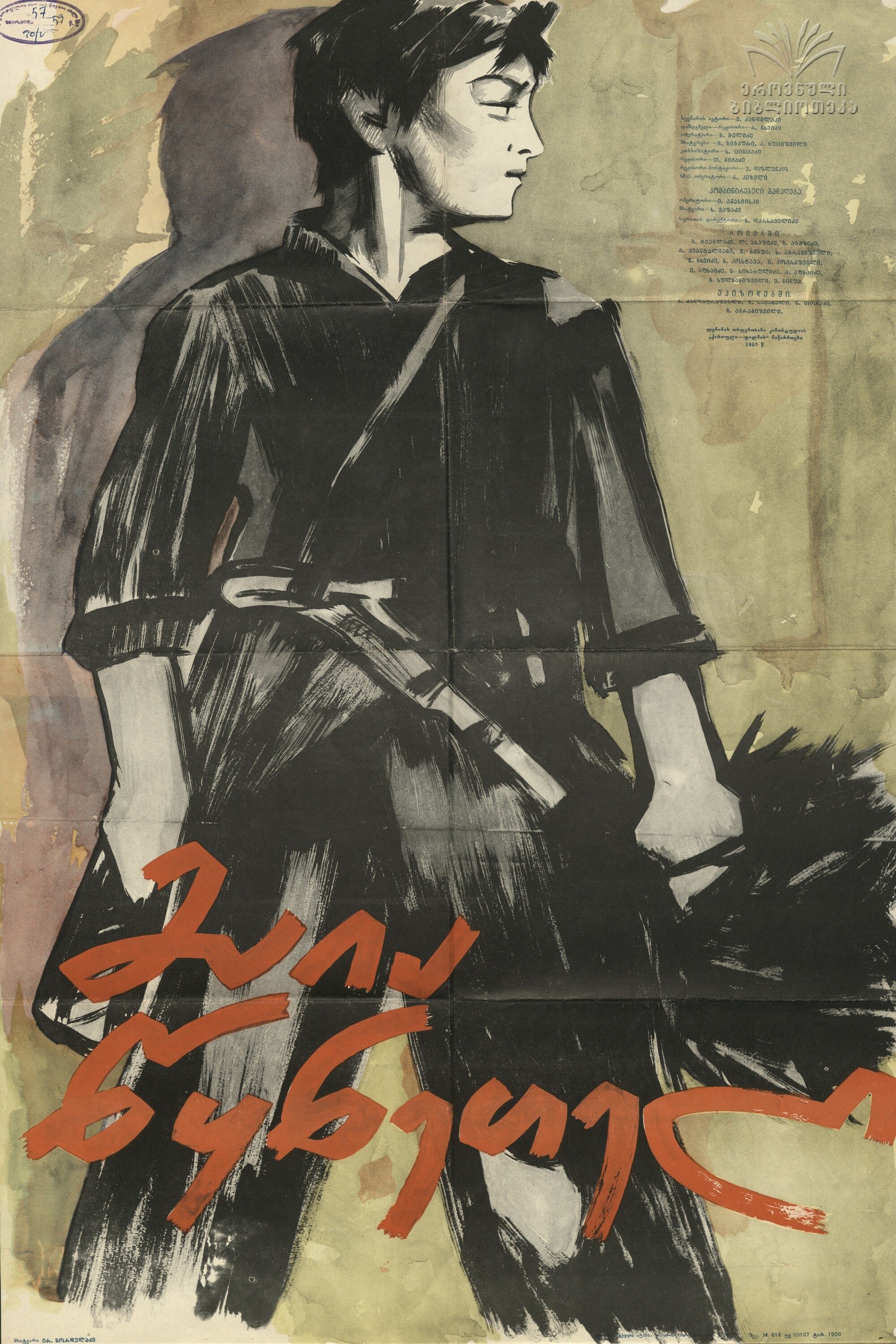
Maia Tskneteli
History · Music · Romance
Overview
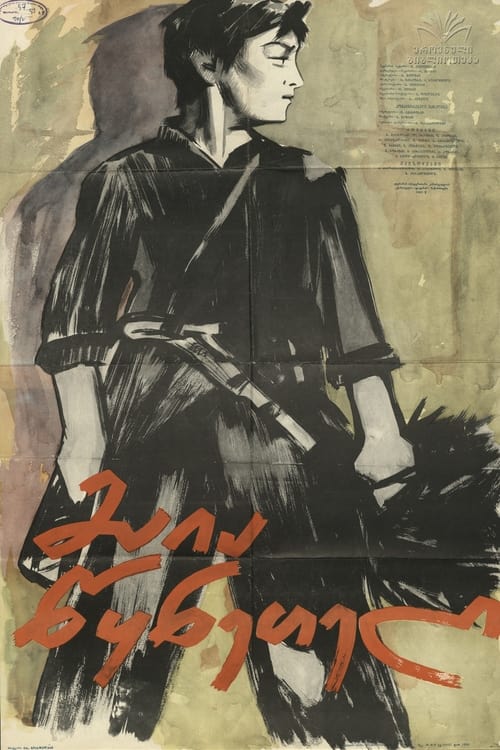
A young girl named Maia disguises herself as a boy in order to fight against the enemies of her country.
Top Cast

Leila Abashidze
Maia / Mate

Grigol Tkabladze
King Erekle II

Gocha Abashidze
Manuchara

Akaki Kvantaliani
Berika
Vakhtang Ninua
Jemali
Nodar Chkheidze
Kerim-Aga

Grigol Kostava
Prince Amilakhvari
Sergo Sikharulidze
Qariklapia
Otar Datunashvili
Tandila
Aleksandre Apkhaidze
Kaikhosro Digmeli

Irakli Kokrashvili
Gubazi
Ivane Ninua
Barata






Leila Abashidze
Leila Abashidze
Maia / Mate
Leila Abashidze
Maia / Mate
Grigol Tkabladze
Grigol Tkabladze
King Erekle II
Grigol Tkabladze
King Erekle II
Gocha Abashidze
Gocha Abashidze
Manuchara
Gocha Abashidze
Manuchara
Akaki Kvantaliani
Akaki Kvantaliani
Berika
Akaki Kvantaliani
Berika
Vakhtang Ninua
Vakhtang Ninua
Jemali
Vakhtang Ninua
Jemali
Nodar Chkheidze
Nodar Chkheidze
Kerim-Aga
Nodar Chkheidze
Kerim-Aga
Grigol Kostava
Grigol Kostava
Prince Amilakhvari
Grigol Kostava
Prince Amilakhvari
Sergo Sikharulidze
Sergo Sikharulidze
Qariklapia
Sergo Sikharulidze
Qariklapia
Otar Datunashvili
Otar Datunashvili
Tandila
Otar Datunashvili
Tandila
Aleksandre Apkhaidze
Aleksandre Apkhaidze
Kaikhosro Digmeli
Aleksandre Apkhaidze
Kaikhosro Digmeli
Similar Movies
As beautiful and sleek as it is deadly, 52 Blocks merits special conservation efforts as the United States' only existing native martial culture, as it is indeed, the jazz of the martial arts world. Across the African diaspora, there are manifestations of African-derived warrior-dances, capoeira in brazil, mani in Cuba, ladja in Martinique, pinge in Haiti- yet the US offshoot has remained esoteric, because it was suppressed throughout slavery, Reconstruction and Jim Crow and then obscured in the criminal justice system. The history, interviews and training of the martial arts style that created Breakdance and boxing greats like Mike Tyson.

The Tale of Genji Museum in Uji City, Kyoto will be airing a short film blending history and fantasy, the story follows a modern high school girl named Hana who is transformed into a cat and transported back in time. She travels 1,000 years ago to the Heian Era as portrayed in The Tale Of Genji, arguably the most famous novel in Japanese literature. Guided by the novel's titular character Hikaru Genji, Hana experiences firsthand the emotions that the author Murasaki Shikibu depicted in her novel. The short features scenes based on The Diary of Lady Murasaki and other historical materials, such as the real-life noble Fujiwara no Michinaga swiping early drafts of The Tale Of Genji because he could not wait to read chapters as Murasaki wrote them.

In 1910, the Pennsylvania Railroad successfully accomplished the enormous engineering feat of building tunnels under New York City's Hudson and East Rivers, connecting the railroad to New York and New England, knitting together the entire eastern half of the United States. The tunnels terminated in what was one of the greatest architectural achievements of its time, Pennsylvania Station. Penn Station covered nearly eight acres, extended two city blocks, and housed one of the largest public spaces in the world. But just 53 years after the station’s opening, the monumental building that was supposed to last forever, to herald and represent the American Empire, was slated to be destroyed.
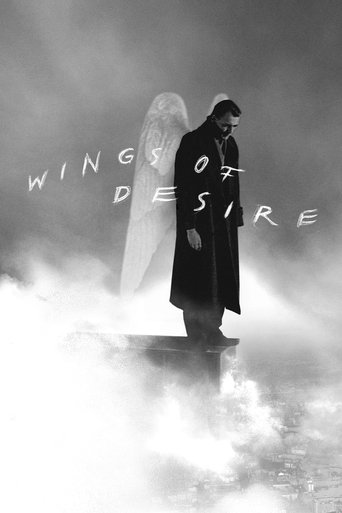
Two angels, Damiel and Cassiel, glide through the streets of Berlin, observing the bustling population, providing invisible rays of hope to the distressed but never interacting with them. When Damiel falls in love with lonely trapeze artist Marion, the angel longs to experience life in the physical world, and finds — with some words of wisdom from actor Peter Falk — that it might be possible for him to take human form.
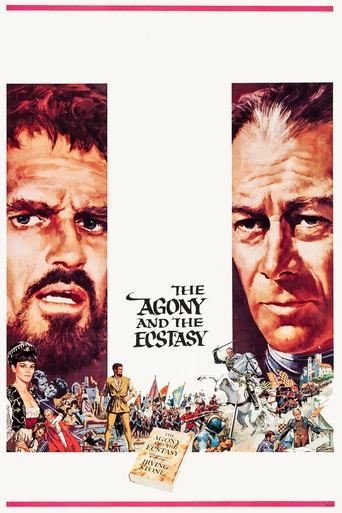
During the Italian Renaissance, Pope Julius II contracts the influential artist Michelangelo to sculpt 40 statues for his tomb. When the pope changes his mind and asks the sculptor to paint a mural in the Sistine Chapel, Michelangelo doubts his painting skills and abandons the project. Divine inspiration returns Michelangelo to the mural, but his artistic vision clashes with the pope's demanding personality and threatens the success of the historic painting.

2010 documentary film on the Armenian Genocide by the Young Turk government of the Ottoman Empire during World War I. It is based on eyewitness reports by European and American personnel stationed in the Near East at the time, Armenian survivors and other contemporary witnesses which are recited by modern German actors.