

Finding Babylon's Hanging Garden
Documentary
Overview
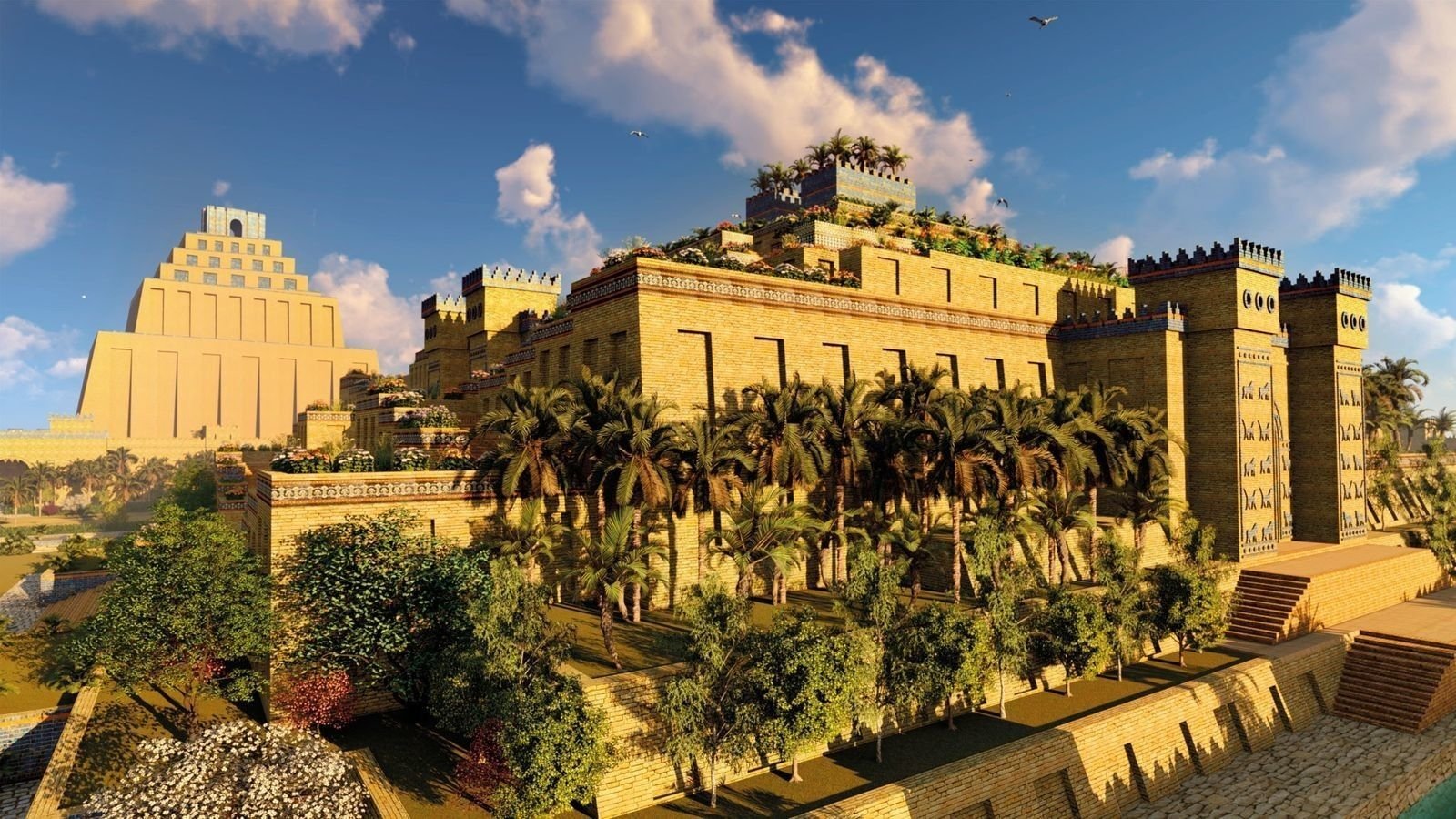
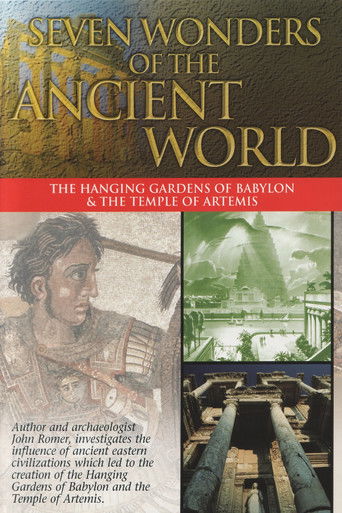
There are many myths surrounding the Hanging Gardens of Babylon. Previous excavations have not led to an answer to the question of exactly where they were located. Thanks to the extraordinary findings of scientist Stephanie Dalley, it is now possible for the first time to determine exactly where the legendary gardens were located, what they looked like and how they were built. The Hanging Gardens of Babylon are the only one of the seven wonders of the ancient world for which no archaeological evidence has yet been found. For the documentary, Stephanie Dalley from Oxford University traveled to a dangerous, terror-stricken region in northern Iraq to gather evidence for her new theory about the true location of the gardens. Stephanie Dalley assumes that the gardens were built a hundred years earlier - 700 years before Christ - and by the Assyrian king Sanherib instead of Nebuchadnezzar II.
Top Cast


Paul McGann
Paul McGann
Narrator (voice)
Paul McGann
Narrator (voice)
Similar Movies
Going to the very heart of the Bible's most challenging Book, this one hour documentary decodes the visions of Revelation 12 and 17 for everyone to understand. Journeying from the birth of Christ through the Christian era, this amazing video pulls aside the veil of hidden history to reveal the rise of Babylon, the persecution of the bride of Christ, and the real-world identity of the beast. Educational and inspiring, Revelation delivers the keys to understanding the epic conflict between Christ and Satan and what it means for your life today.
Documentary tracing the history of the Jewish people from the destruction of the temple in AD 70 to the modern-day nation of Israel. Through scriptural and historical evidence, DNA, mathematics, and testimony from rabbis and pastors, it attempts to answer the question, "Who are God's chosen people?".
Who invented time, who invented the clock? Why 1 hour, why 60 minutes, why 60 seconds? Since prehistoric times, man has sought to measure time, to organize social and religious life, to plan food supply... Today we can surf the Internet, geolocate, pay by credit card… All our daily lives depend on time and the synchronization of clocks. The history of the invention of time and of the ways and instruments to measure it is a long story…
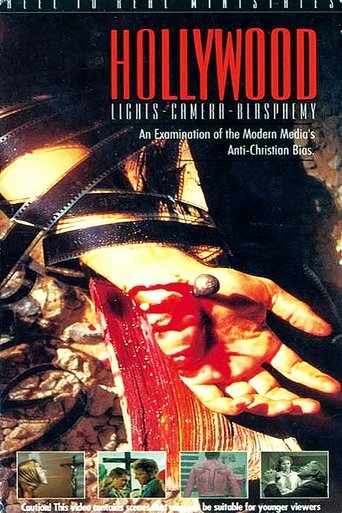
"No film may throw ridicule on any religious faith..." So began Article VIII of the Hollywood Production Code, a series of ethical guidelines that for forty years helped the motion picture industry produce many of the greatest and most family-friendly films in history. That was then, however, this is now. A revered "historical" movie quietly takes every opporturnity to lie and twist the facts in order to make Christians appear as backward, foolish hypocrites. An actress jumps at the chance to play a Christ-hating role, saying, "I'm an atheist, so it was a joy." One of Hollywood's most respected directors films a passion play written by a disciple of Friedrich Nietzsche, the father of the "God is dead" movement. Not surprisingly, the movie's Jesus helps crucify people and later confesses that satan is inside him. A media mogul states that "Christianity is a religion for losers."
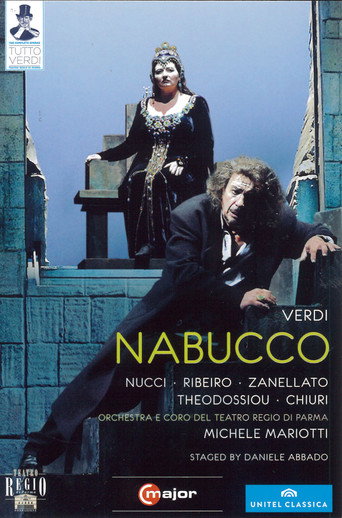
‘Nabucco’, or ‘Nebuchadnezzar’ (Italian: Nabucco), is an opera by Giuseppe Verdi with a libretto by T. Solera, based on events described in the Bible. (Nabucco is a shortened Italian rendering of the name of King Nebuchadnezzar II). It was this opera, the third in Verdi’s oeuvre, that brought him true fame. It tells of the tribulations of the Jews, their captivity by the Babylonians, and their subsequent release to their homeland by Nebuchadnezzar, King of Babylon. Giuseppe Verdi’s opera ‘Nabucco’, is a monumental work that tells the story of the enslavement of the Hebrew people by the Babylonian king Nebuchadnezzar (Nabucco) and their journey towards redemption. The premiere took place on 9 March 1842 at La Scala in Milan. The first performance of the final version was held at the Teatro San Giacomo in Corfu in September 1844. From the box set of 27 Verdi operas, ‘Tutto Verdi’. Recorded live at the Teatro Regio in Parma, 12–14 October 2009.
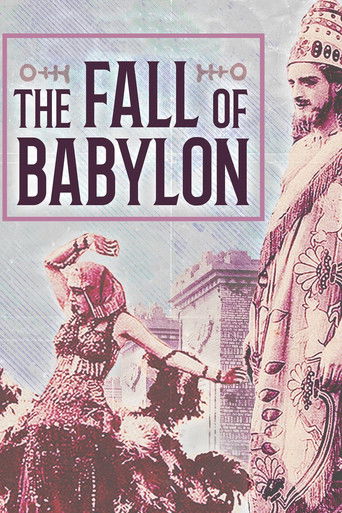
After the relatively low box office takings of 'Intolerance', D. W. Griffith would revisit his epic film three years later by releasing two of the film's interlocking stories as standalone features, with some new additional footage. The first of the two was 'The Fall of Babylon', which depicts the conflict between Prince Belshazzar of Babylon and Cyrus the Great of Persia.
David Bono is a hitman hired to target Orshanabi Nazzar, a high-ranking priest-bureaucrat in a temple corporation in the fictional city of Babylonia (Brussels-based). The corporation has invented a way to avoid death by recording people's lives. While gathering information and preparing for the job, David meets Ellie, with whom they slept together. However, Ellie is a member of a cult called Children of Ishtar, and David's job would interrupt their life-recording ceremony. Facing an obsessive dilemma, David tries to find a way to do his mission without killing Ellie. First, he tries to convince Ellie not to attend the ceremony, and then he hires a local crook to kidnap her while he does the job. After the successful job, Ellie frees herself from the kidnapper, discovers the truth, and leaves for Akkadia. Meanwhile, David calls to receive the rest of his payment but gets ambushed by the contractor.