

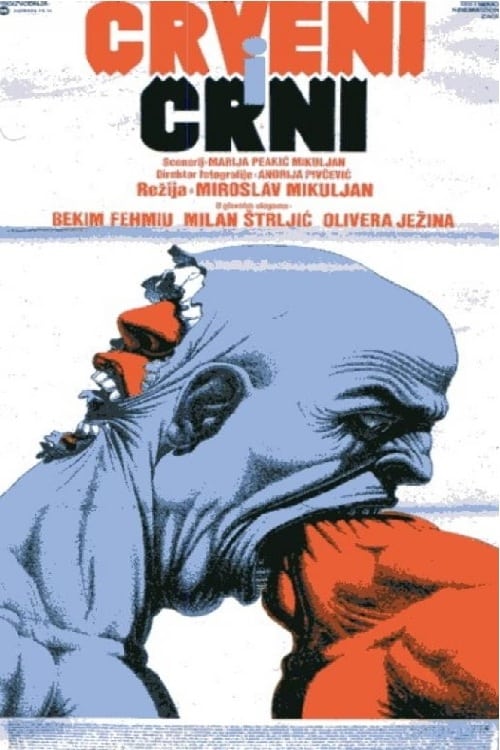
The Red and the Black
History · Drama · Romance
Overview
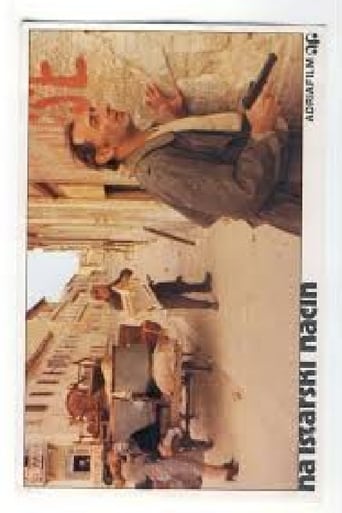
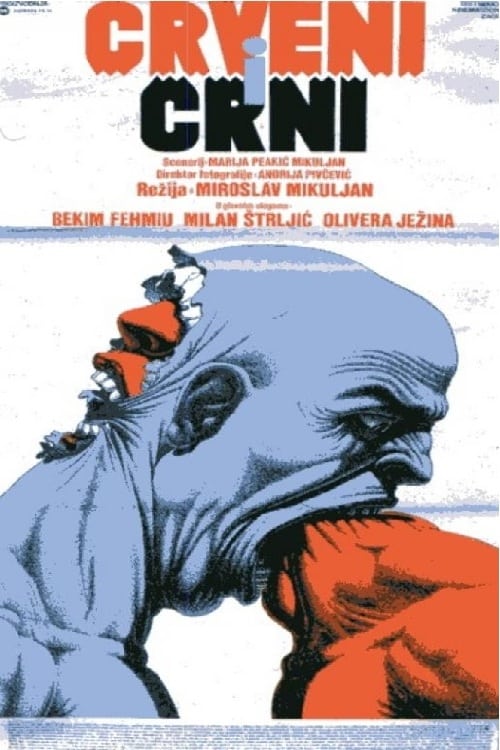
This film is the true story of the creation of Labin Republic in 1921. When Italy annexed Istria, Labin area that is very rich in coal became strategically important for the new government. Domestic Croatian and Slovene population were disappointed by the method of the Kingdom of Yugoslavia of selling foreigners. Accumulated social problems and the growing terror of Italians lead to great miners' strike, led by favorite union leader Ivan Pipan. The strikers will be join young miner Ive Blazina, who as commander of the Red Guard workers struggles for the mining republic and the love of beautiful Mary Brezac. The sudden intervention of the Italian army destroys their dreams, and resigned Pipan surrenders. But not everyone agrees with his behavior.
Top Cast
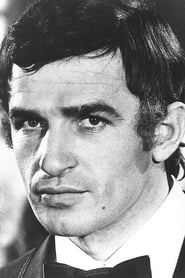
Bekim Fehmiu
Ivan Pipan

Milan Štrljić
Ive Blažina
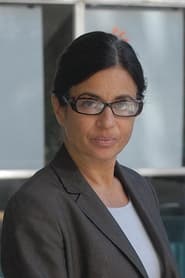
Olivera Ježina
Marija Perbako

Miodrag 'Miki' Krstović
Frančesko Da Giozo
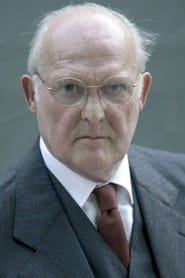
Radko Polič
Toneti
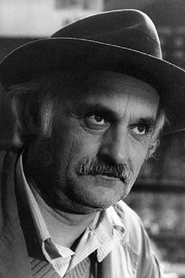
Fabijan Šovagović
Petar Perbako

Boris Kralj
Tone Blažina
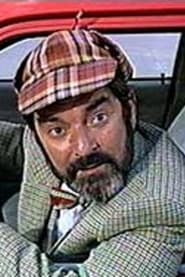
Bogoljub Petrović
Pjetro
Igor Galo
Đakomo

Ivan Bekjarev
Direktor Zanini

Krunoslav Šarić
Poručnik Markonćini
Miroljub Lešo
Rudar





Bekim Fehmiu
Bekim Fehmiu
Ivan Pipan
Bekim Fehmiu
Ivan Pipan
Milan Štrljić
Milan Štrljić
Ive Blažina
Milan Štrljić
Ive Blažina
Olivera Ježina
Olivera Ježina
Marija Perbako
Olivera Ježina
Marija Perbako
Miodrag 'Miki' Krstović
Miodrag 'Miki' Krstović
Frančesko Da Giozo
Miodrag 'Miki' Krstović
Frančesko Da Giozo
Radko Polič
Radko Polič
Toneti
Radko Polič
Toneti
Fabijan Šovagović
Fabijan Šovagović
Petar Perbako
Fabijan Šovagović
Petar Perbako
Boris Kralj
Boris Kralj
Tone Blažina
Boris Kralj
Tone Blažina
Bogoljub Petrović
Bogoljub Petrović
Pjetro
Bogoljub Petrović
Pjetro
Igor Galo
Igor Galo
Đakomo
Igor Galo
Đakomo
Ivan Bekjarev
Ivan Bekjarev
Direktor Zanini
Ivan Bekjarev
Direktor Zanini
Similar Movies

County Durham, England, 1984. The miners' strike has started and the police have started coming up from Bethnal Green, starting a class war with the lower classes suffering. Caught in the middle of the conflict is 11-year old Billy Elliot, who, after leaving his boxing club for the day, stumbles upon a ballet class and finds out that he's naturally talented. He practices with his teacher Mrs. Wilkinson for an upcoming audition in Newcastle-upon Tyne for the royal Ballet school in London.
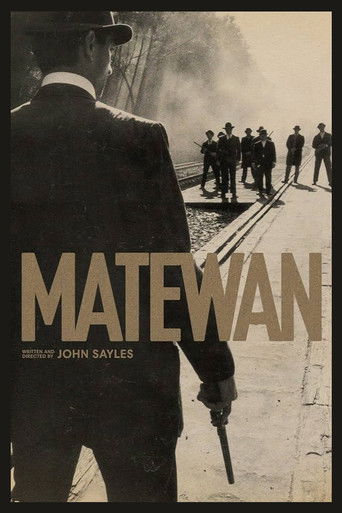
Filmed in the coal country of West Virginia, "Matewan" celebrates labor organizing in the context of a 1920s work stoppage. Union organizer, Joe Kenehan, a scab named "Few Clothes" Johnson and a sympathetic mayor and police chief heroically fight the power represented by a coal company and Matewan's vested interests so that justice and workers' rights need not take a back seat to squalid working conditions, exploitation and the bottom line.
A gripping story of love, deceit, betrayal and survival set against the backdrop of the Miners' Strike of 1984-85. Michelle is married to Gary, a young miner who goes on strike as soon as the dispute between the Thatcher government and the National Union of Mineworkers (NUM) begins. Meanwhile, her sister Linda's husband Paul is a local policeman. Paul becomes more and more voluble in his opposition to the strike, while Linda looks around her and witnesses the women of her community suddenly find a voice and independence. The scene is set for political and personal conflicts which would change their lives forever.
For 200 years, coal mining had been a way of life in Cape Breton. By 1920 things were looking up: miners were unionized and paid decent wages. Then the British Empire Steel Corporation arrived and bought every single steel and coal company in Nova Scotia. BESCO cut wages by a third, setting off a bitter labour dispute. The miners settled in for a long strike. Finally, in 1925, the military ended the unrest with brute force. But the miners, in one sense, had won. They broke up the monopoly and provided an example to workers across the country.

This film documents the coal miners' strike against the Brookside Mine of the Eastover Mining Company in Harlan County, Kentucky in June, 1973. Eastover's refusal to sign a contract (when the miners joined with the United Mine Workers of America) led to the strike, which lasted more than a year and included violent battles between gun-toting company thugs/scabs and the picketing miners and their supportive women-folk. Director Barbara Kopple puts the strike into perspective by giving us some background on the historical plight of the miners and some history of the UMWA. Preserved by the Academy Film Archive in partnership with New York Women in Film & Television in 2004.

Pawel, a Polish man in his early 30s, makes a living with his father Zygmunt importing second-hand clothing from the North of France to Southern Poland. On his way back from one of regular "business trips", Pawel is shocked to discover his father's picture on the cover of a Polish tabloid newspaper. The headline "traitor" is written next to his name. Zygmunt is a genuine hero of the struggle against totalitarianism and a recognized member of the "Solidarnosc" labor movement of the 80s. But now, Zygmunt is suddenly accused by the paper of having acted as a secret informer called THE MOLE by the communist regime.