

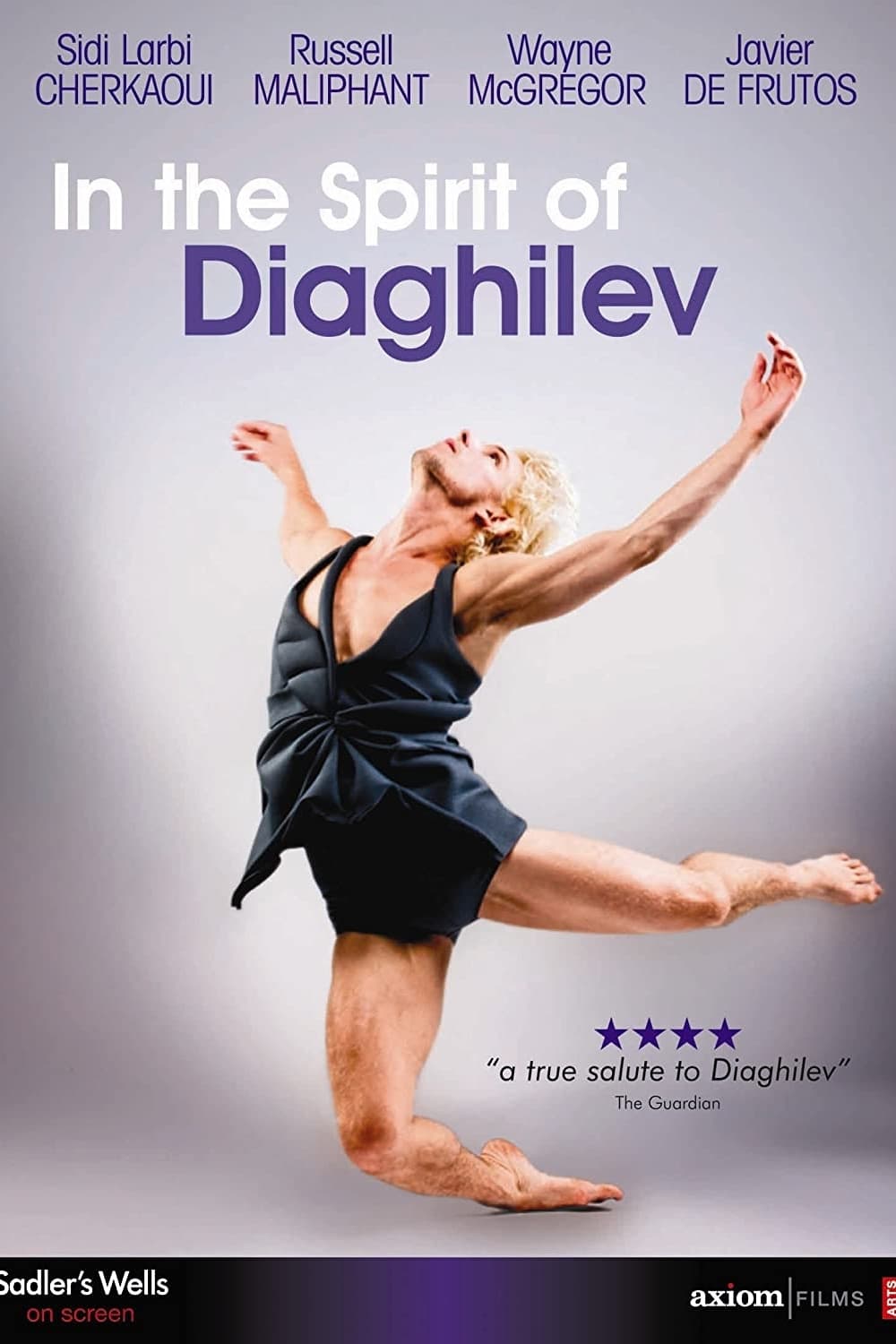
In The Spirit of Diaghilev
Music
Overview
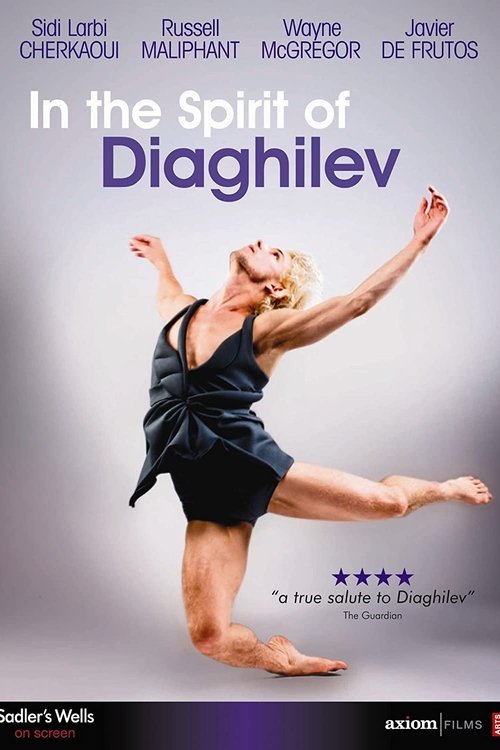
Celebrating the 100th anniversary of the Ballets Russes, Sadler’s Wells commissioned four of today’s leading and acclaimed choreographers to create one work each honouring the legacy of impresario Sergei Diaghilev. IN THE SPIRIT OF DIAGHILEV features Sidi Larbi Cherkaoui’s Faun, Russell Maliphant’s AfterLight (Part One), Wayne McGregor’s Dyad 1909 and the controversial Eternal Damnation to Sancho and Sanchez by Javier de Frutos. Specially filmed interview content offer viewers the unique opportunity to take a look behind the scenes at the works in rehearsal, as the collaborators share their thoughts on the enduring influence of Diaghilev and the remarkable collaborative spirit of the Ballets Russes. The performances involve collaborations with artists and filmmakers Jane and Louise Wilson, acclaimed composer Nitin Sawhney and costumes by leading fashion designer Hussein Chalayan.

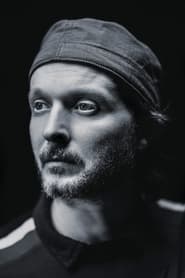
Sidi Larbi Cherkaoui
Sidi Larbi Cherkaoui
Sidi Larbi Cherkaoui
Russell Maliphant
Russell Maliphant
Russell Maliphant

Wayne McGregor
Wayne McGregor
Wayne McGregor
Javier De Frutos
Javier De Frutos
Javier De Frutos
Similar Movies
Bolshoi Ballet stars Vladimir Vasiliev and Ekaterina Maximova dance this 1982 performance of "Anyuta," the story of a small-town woman who purposely marries above her social status only to learn that popularity comes with a price. Maximova performs the role of Anyuta; Vasiliev plays Anyuta's drunk father.
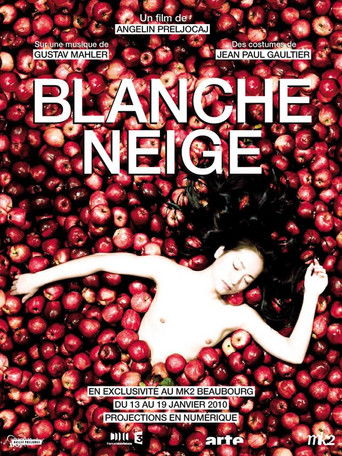
To speak of that ballet is very difficult because the theme is so popular as a fairy tale, adapted by Perrault from German folklore and then recuperated from the same folklore by the Grimm brothers, and what's more turned into an unforgettable film by Walt Disney. Angelin Preljocaj was thus trying to break a mould in which that character and her story had been cast seemingly for ever. And it is a success. Because first the setting, the stage direction are very interesting and rich. Rich are the costumes. Rich are the main ideas of the setting like the enormous magic mirror coming down from the sky, or like the deep underground mine turned into a vertical surface on which the seven dwarfs are dancing like dragon-flies on their strings.
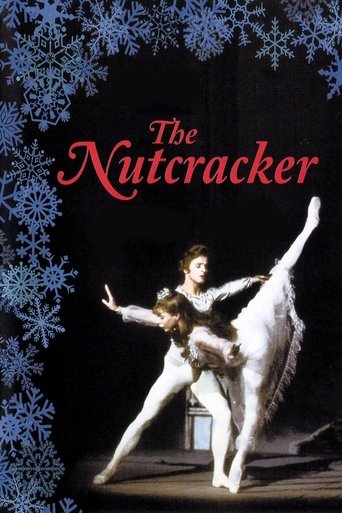
The Nutcracker is Mikhail Baryshnikov's breathtaking and critically acclaimed Emmy-nominated production. This spectacular performance is danced by the magnificent team of Baryshnikov, one of the greatest classical dancers of the century, and Gelsey Kirkland, both showcased at the peak of their careers, with members of the American Ballet Theatre.
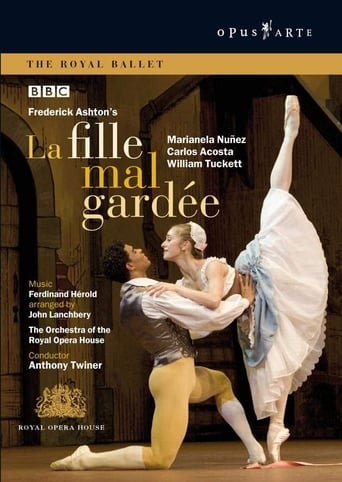
Ever since its triumphant premiere in 1960, Frederick Ashton's La Fille mal gardee has been treasured as one of his happiest creations - his artistic tribute to nature, and an expression of his feelings for his beloved Suffolk countryside. Marianela Nunez and Carlos Acosta perfectly portray the young lovers Lise and Colas, determined to thwart the plans of Widow Simone to marry off her wayward daughter to Alain, the simple son of wealthy Farmer Thomas. Osbert Lancaster's colourful, picture-book designs, along with Ferdinand Herold's tuneful score, arranged by John Lanchbery, provide the perfect setting for Ashton's blissfully bucolic ballet, complete with haywain, pony, maypole and ribbons, a cockrel and his chickens and, of course, the famous clog dance, here wonderfully led by William Tuckett as the irascible but lovable Widow Simone.
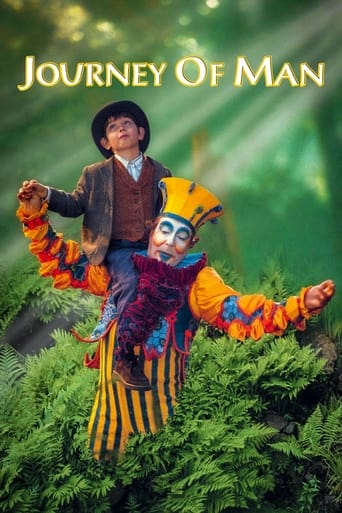
A child is born. We see underwater swimmers representing this. He is young, in a jungle setting, with two fanciful "instincts" guiding him as swooping bird-like acrobats initially menace, then delight. As an adolescent, he enters a desert, where a man spins a large cube of metal tubing. He leaves his instinct-guides behind, and enters a garden where two statues dance in a pond. As he watches their sensual acrobatics of love, he becomes a man. He is offered wealth (represented by a golden hat) by a devil figure. In a richly decorated room, a scruffy troupe of a dozen acrobats and a little girl reawaken the old man's youthful nature and love.
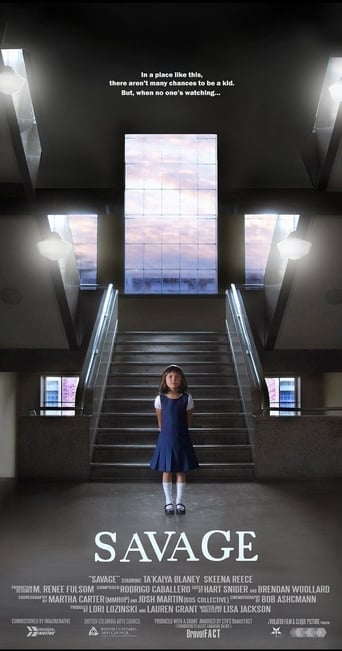
On a summer day in the 1950s, a native girl watches the countryside go by from the backseat of a car. A woman at her kitchen table sings a lullaby in her Cree language. When the girl arrives at her destination, she undergoes a transformation that will turn the woman’s gentle voice into a howl of anger and pain.
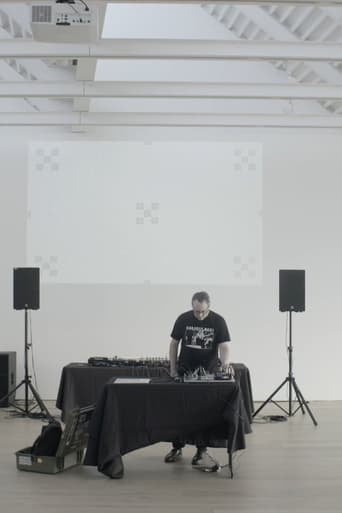
The film traces Sam McKinlay’s early days as a punk skateboarder through his academic development as a conceptual artist into a highly esteemed noise practitioner whose work bridges the gap between the gallery world and the sleaze of exploitation film imagery. It documents the physical processes of his work and the distillation of visuals into sound, most notably addressing the appeal of abstraction—from the cheap effects of old monster movie makeup to the ‘masks’ created by the heavy cosmetic makeup of 1920s flapper culture and actresses like Pamela Stanford in Jess Franco’s Lorna the Exorcist (The Rita has albums or EPs named after several eurotrash actresses, including The Nylons of Laura Antonelli (2009) and Monica Swinn/Pamela Stanford (2016)).
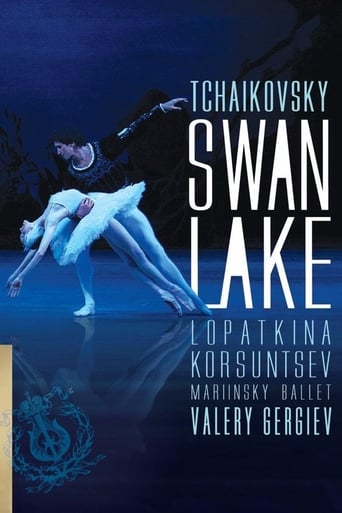
The classic Mariinsky (Kirov) production of the greatest of all ballets. Filmed in the imperial splendor of the Mariinsky Theatre, St Petersburg. Starring Ulyana Lopatkina, Danila Korsuntsev and the breathtaking Mariinsky corps de ballet. Conducted by the great Russian maestro Valery Gergiev.