

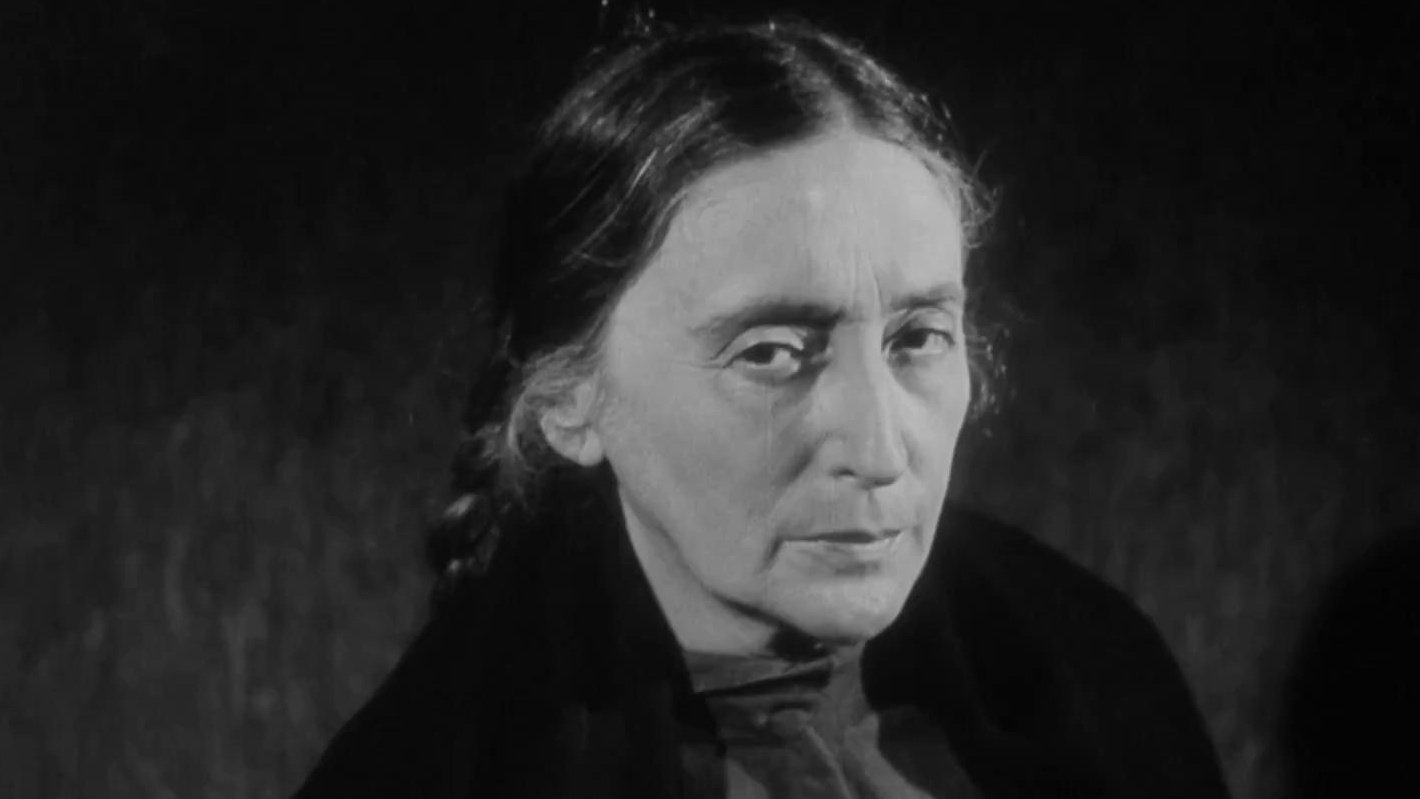
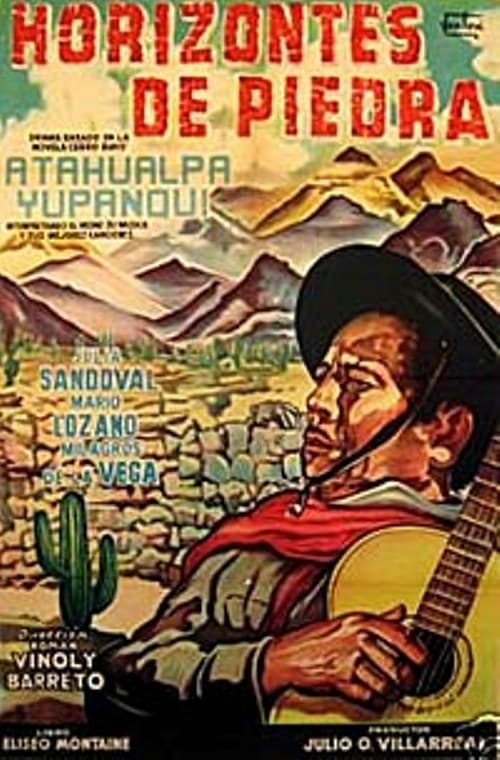
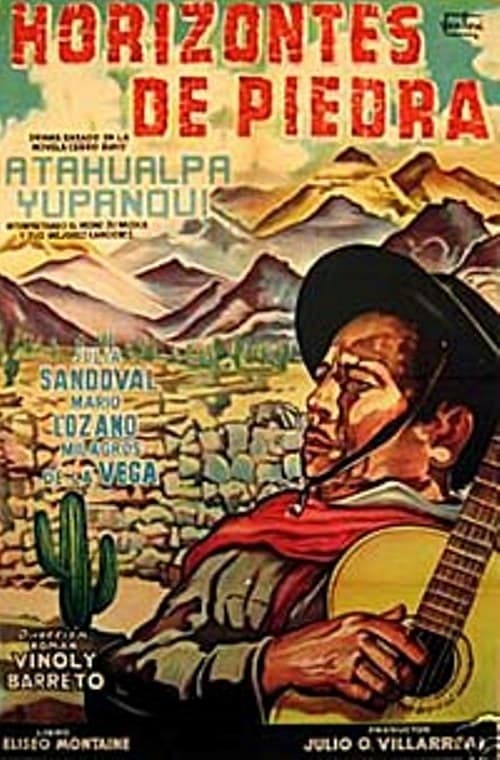
Horizontes de piedra
Drama
Overview
In Cerro Bayo, a mountainous region of Patagonia on the Chilean border, a Kolla Indian falls in love with a girl from another village. His mother disapproves the relationship and hates the woman. When the girl becomes pregnant with his baby, he must travel to find better work, leaving her alone with the mother's wrath.

Atahualpa Yupanqui
Atahualpa Yupanqui
Atahualpa Yupanqui
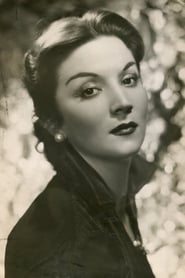
Julia Sandoval
Julia Sandoval
Julia Sandoval
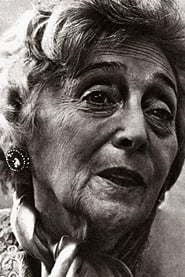
Milagros de la Vega
Milagros de la Vega
Milagros de la Vega
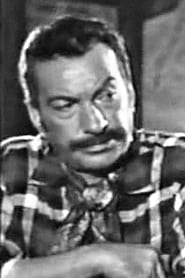
Mario Lozano
Mario Lozano
Mario Lozano
Liana Noda
Liana Noda
Liana Noda
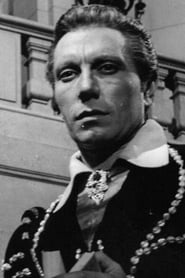
Enrique Fava
Enrique Fava
Enrique Fava
Félix Rivero
Félix Rivero
Félix Rivero
Enrique Abela
Enrique Abela
Enrique Abela
Fausto Etchegoin
Fausto Etchegoin
Fausto Etchegoin
Roberto Rivas
Roberto Rivas
Roberto Rivas
Similar Movies
Biopic of Ceferino Namuncurá (1886-1905), son of a Mapuche cacique and a white woman, and the first Indian of South America to be beatified. The film starts out as a war movie, showing his father Manuel battling the Spanish and taking a white woman as his captive bride. But little of interest happens after Ceferino is born. His beatification relies partly on his "miraculous" survival after falling in a stream as a baby, but the film does not present this with any great drama, and plods through the rest of the boy's life with similar tepor. Ceferino does well in school, attracts the interest of a priest, attends a Catholic school in Buenos Aires, and studies for the priesthood in Italy, where he dies of tuberculosis after a few unconvincing coughs.
A young student heads back to his village during the COVID-19 lockdown to collect ethnographic material for his thesis, but as quarantine stretches on, the rituals and everyday scenes he records start bringing back childhood memories-leading him to piece the footage together into something more personal.
AMIN portrays Qashqai musician Amin Aghaie, a young modern nomad and his family who despite facing steep financial, cultural and political obstacles are dedicated to their art and culture. Amin travels to remote towns and villages to record the music of the surviving masters whose numbers decline each year. His nomadic family are selling their meager belongings to help support their son's education in performance and ethnomusicology at Tchaikovsky's Conservatory in Kyiv, Ukraine, but it is not enough. Amin, desperate to finish his academic education, sells his violins one at a time just to pay for his tuition.
Rye, a photographer, and Chris, a political science student, are in their final year of college, and have lived together in the same house for three years. While their bond has grown increasingly stale since first moving in together, they’re tethered by a common history and lingering grief; they know the house and its traumas in ways none of its few rotating tenants ever can. Set in the politically charged recent past at Hampshire College - an alternative school without grades or majors - the film's protagonists struggle with the demands of communal living and the concentrated emotions that come with it, against a backdrop of mass protests, long winters, creative passions, and armchair philosophy.
After his father dies, law student Adolfo (Jorge Marchand), returns to his native village in the South of Bolivia, where he falls in love with Claudina Silvia Arévalo, a beautiful chola girl nicknamed La Chaskañawi, which means "girl with big eyes" in Quechua. Falling under her spell, Adolfo forgets about his fiancee in the city, abandons his law studies, and succumbs to alcohol. Based on the 1947 novel La Chaskañawi.

In February 1974, Pam Sambo Zima, the oldest of the priests of possession in Niamey, Niger, died at the age of seventy-plus years. In his backyard, the followers from the possession cult symbolically break the dead priest's ritual vases and cry for the deceased while dividing up the clothes of the divinities.
The people of Unamenshipu (La Romaine), an Innu community in the Côte-Nord region of Quebec, are seen but not heard in this richly detailed documentary about the rituals surrounding an Innu caribou hunt. Released in 1960, it’s one of 13 titles in Au Pays de Neufve-France, a series of poetic documentary shorts about life along the St. Lawrence River. Off-camera narration, written by Pierre Perrault, frames the Innu participants through an ethnographic lens. Co-directed by René Bonnière and Perrault, a founding figure of Quebec’s direct cinema movement.
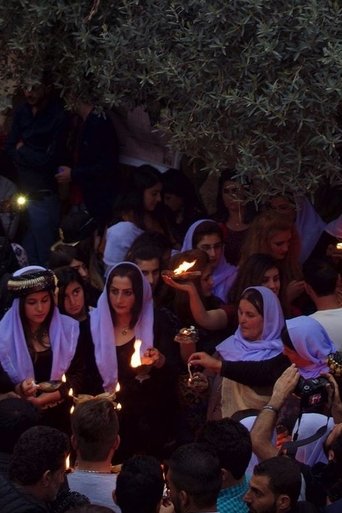
This anthropological documentary introduces the Yezidis, a little-known minority of Northern Iraq, and follows the tour of their most sacred object, the Standard of the Peacock through the settlements of Sinjar Mountain, where the traditional way of life and customs are undergoing a rapid change, due to the political, economic and social shifts of the last decades.
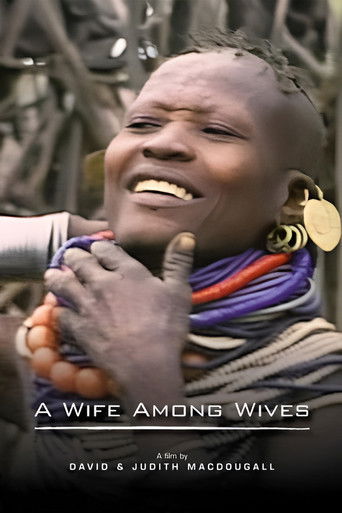
David and Judith MacDougall are exploring the marriage rituals and roles of Turkana women in this ethnographic documentary. The film's biggest part is taken up by talks between the Turkana people. As one of the first ethnographic documentaries "A Wife Among Wives" subtitles these talks so that the viewer can get a better and probably more personal understanding of the life of the Turkana.