

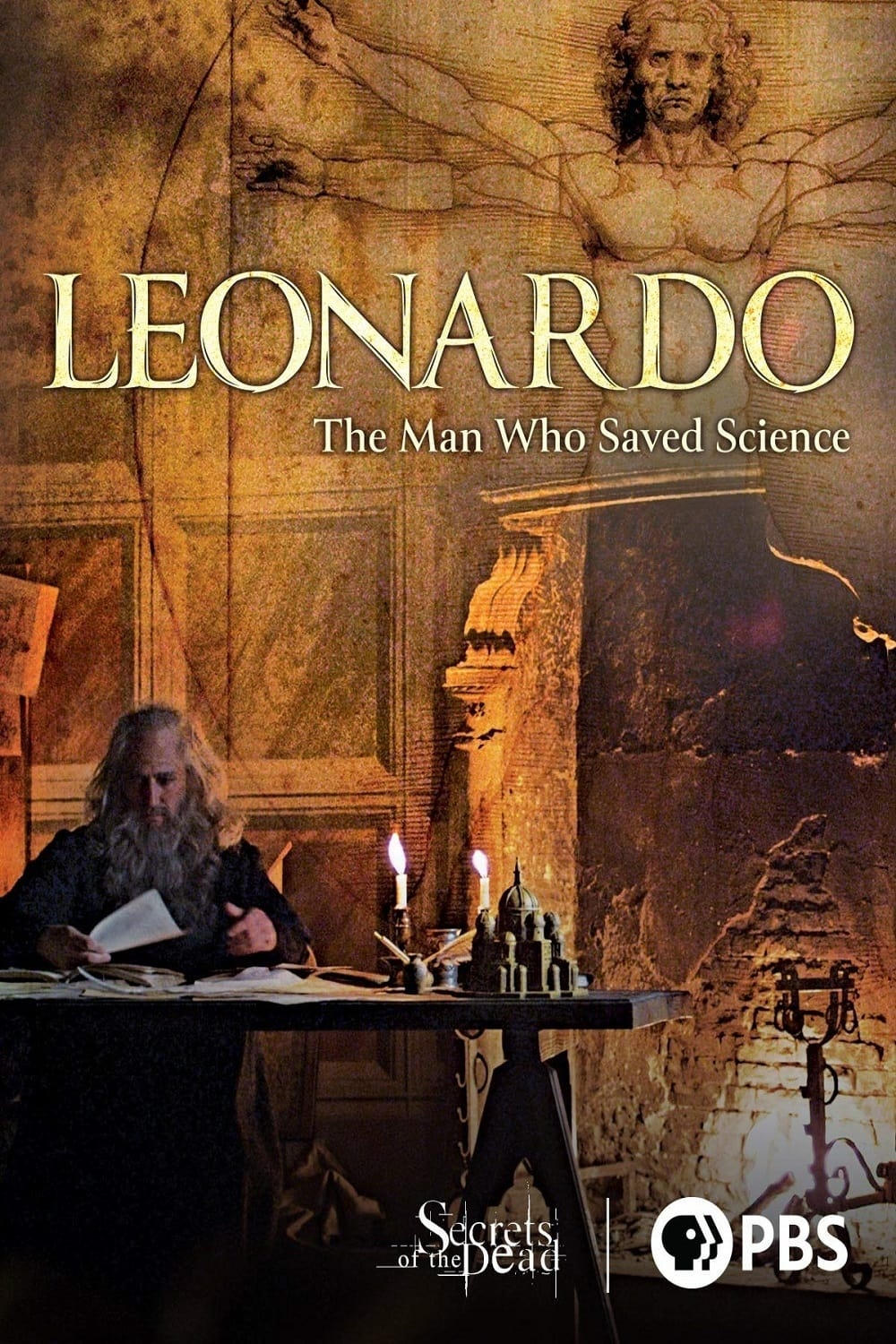
Leonardo: The Man Who Saved Science
Documentary · TV Movie
Overview
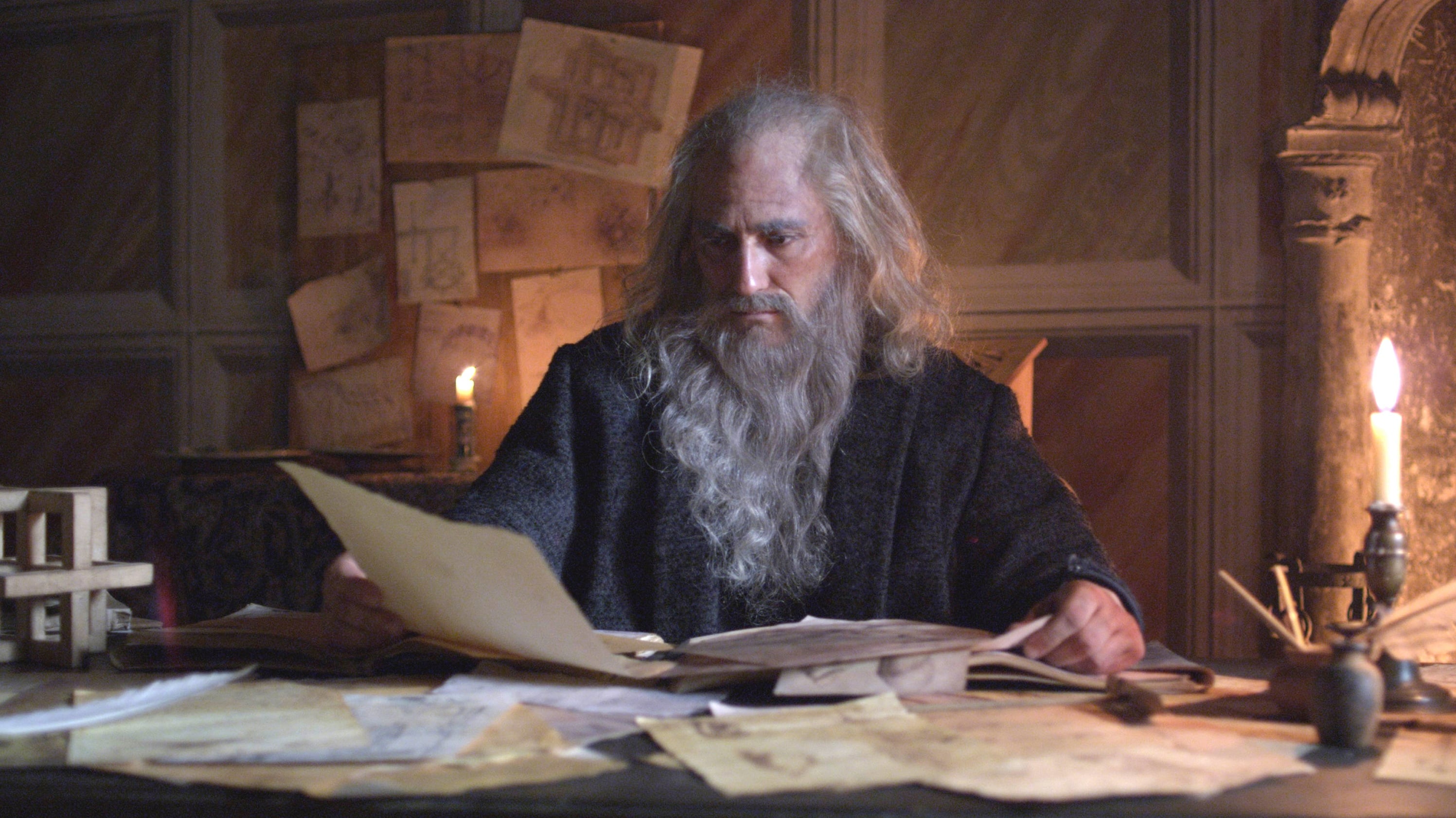
Did Leonardo da Vinci come up with all of his ideas and inventions by himself or did he also borrow some of them from ancient scientists including those who lived 1,700 years before him.

Giuseppe Lanino
Giuseppe Lanino
Leonardo da Vinci
Giuseppe Lanino
Leonardo da Vinci
Federigo Ceci
Federigo Ceci
Verrochio
Federigo Ceci
Verrochio
Ilaria Rossi
Ilaria Rossi
Cecilia Gallerani
Ilaria Rossi
Cecilia Gallerani
Fulvio Barigelli
Fulvio Barigelli
Bartolomeo
Fulvio Barigelli
Bartolomeo
Pierfrancesco Ceccanei
Pierfrancesco Ceccanei
Zoroastro
Pierfrancesco Ceccanei
Zoroastro
Nicolò Diana
Nicolò Diana
Leonardo da Vinci young
Nicolò Diana
Leonardo da Vinci young
Giovanni Carretti
Giovanni Carretti
Il Moro
Giovanni Carretti
Il Moro
Stefano Guerrieri
Stefano Guerrieri
Giacomo Andrea da Ferrara
Stefano Guerrieri
Giacomo Andrea da Ferrara

Davide Pugliese
Davide Pugliese
Salei
Davide Pugliese
Salei

Boris de Mourzitch
Boris de Mourzitch
Comments
Boris de Mourzitch
Comments
Similar Movies
Tour of the White House with Mrs. John F. Kennedy was a television special featuring the First Lady of the United States, Jacqueline Kennedy on a tour of the recently renovated White House. It was broadcast on Valentine's Day, February 14, 1962, on both CBS and NBC, and broadcast four days later on ABC. The program was the first ever First Lady televised tour of the White House, and has since been considered the first prime-time documentary specifically designed to appeal to a female audience.
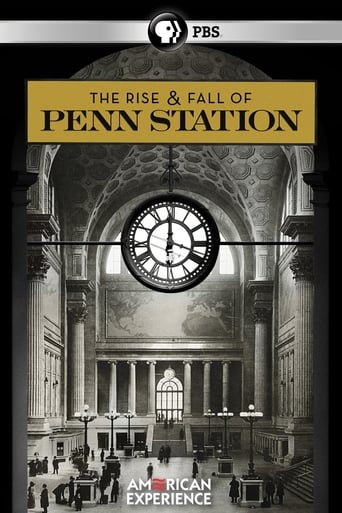
In 1910, the Pennsylvania Railroad successfully accomplished the enormous engineering feat of building tunnels under New York City's Hudson and East Rivers, connecting the railroad to New York and New England, knitting together the entire eastern half of the United States. The tunnels terminated in what was one of the greatest architectural achievements of its time, Pennsylvania Station. Penn Station covered nearly eight acres, extended two city blocks, and housed one of the largest public spaces in the world. But just 53 years after the station’s opening, the monumental building that was supposed to last forever, to herald and represent the American Empire, was slated to be destroyed.
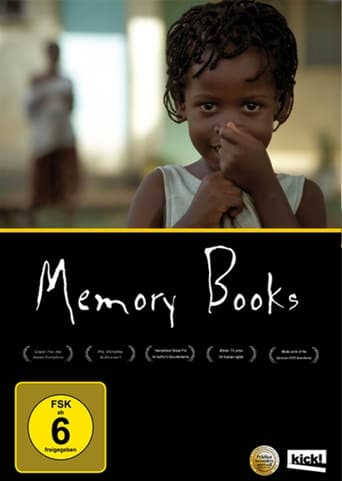
In Uganda, AIDS-infected mothers have begun writing what they call Memory Books for their children. Aware of the illness, it is a way for the family to come to terms with the inevitable death that it faces. Hopelessness and desperation are confronted through the collaborative effort of remembering and recording, a process that inspires unexpected strength and even solace in the face of death.
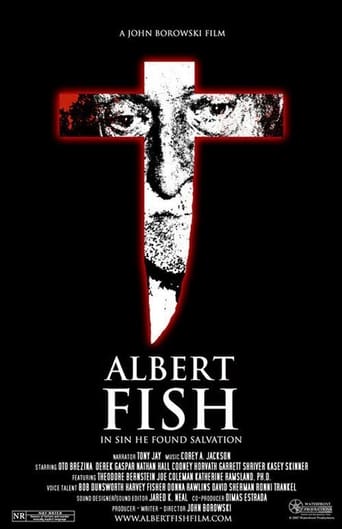
Albert Fish, the horrific true story of elderly cannibal, sadomasochist, and serial killer, who lured children to their deaths in Depression-era New York City. Distorting biblical tales, Albert Fish takes the themes of pain, torture, atonement and suffering literally as he preys on victims to torture and sacrifice.
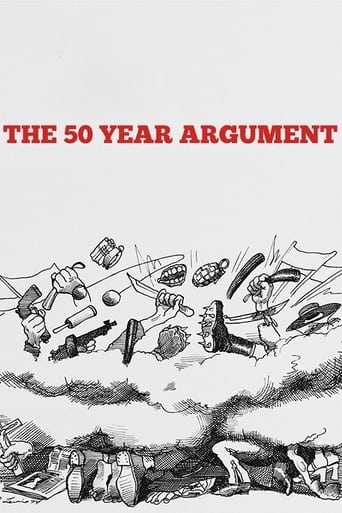
Follows the waves of literary, political, and cultural history as charted by the The New York Review of Books, America’s leading journal of ideas for over 50 years. Provocative, idiosyncratic and incendiary, the film weaves rarely seen archival material, contributor interviews, excerpts from writings by such icons as James Baldwin, Gore Vidal, and Joan Didion along with original verité footage filmed in the Review’s West Village offices.
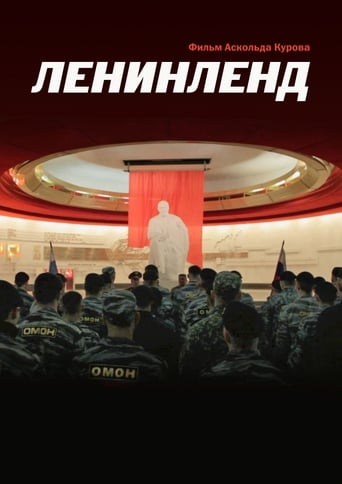
At the peak of Perestroika, in 1987, in the village of Gorki, where Lenin spent his last years, after a long construction, the last and most grandiose museum of the Leader was opened. Soon after the opening, the ideology changed, and the flow of pilgrims gradually dried up. Despite this, the museum still works and the management is looking for ways to attract visitors. Faithful to the Lenin keepers of the museum as they can resist the onset of commercialization. The film tells about the modern life of this amazing museum-reserve and its employees.
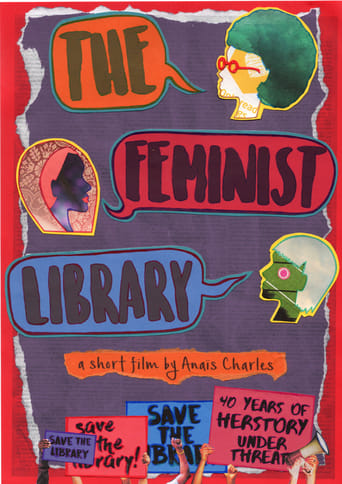
The Feminist Library: A Short Film was made in support of the Save the Feminist Library Campaign, documenting a crucial moment in the library's herstory as it fights for its very survival. Shortlisted for the Women's History Network Community Prize, the film revisits the story of the library's inception and emphasises why feminism remains essential today.