


Music · Documentary
Overview
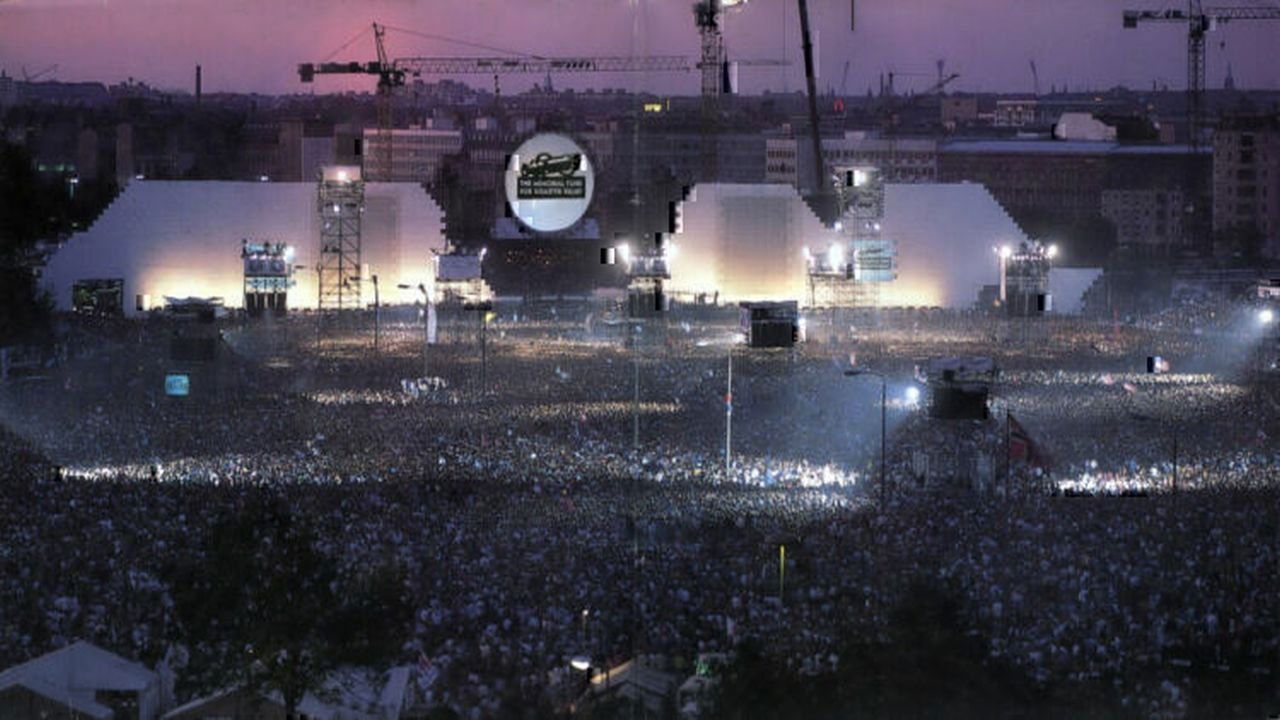
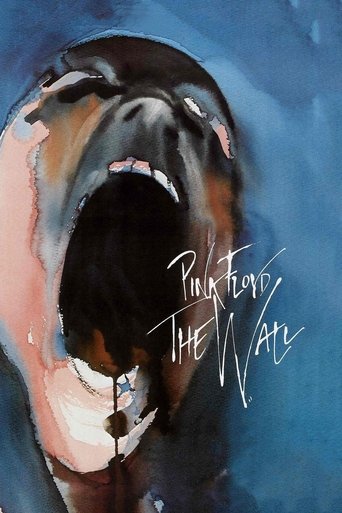
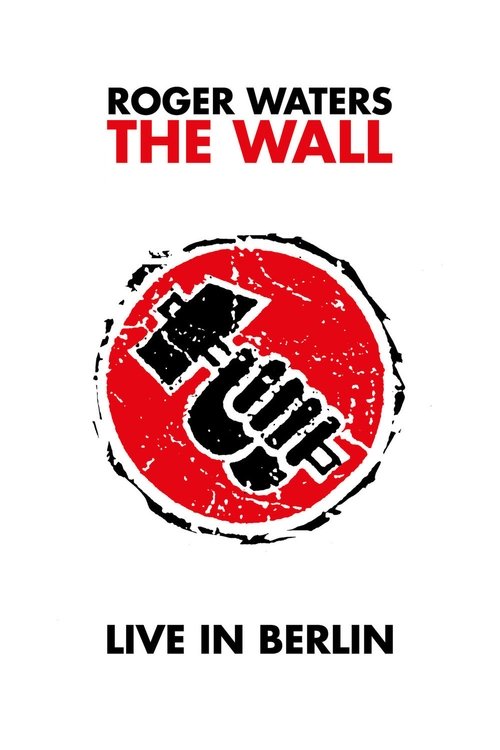
A global television broadcast of the event in which former Pink Floyd leader singer and composer Roger Waters led an all-star cast in a mammoth benefit performance of his acclaimed concept album, The Wall. Set in Berlin, Germany less than a year after the destruction of the hated Berlin Wall, Waters was accompanied by disparate talents such as Cyndi Lauper, James Galway, Joni Mitchell and Albert Finney in the classic dark musical tale of a rock star's descent into madness and back.
Top Cast
Roger Waters
Self / Pink, The Father / The Doctor
Klaus Meine
Self - Leader, Surrogate Band (as Scorpions)
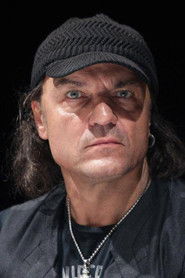
Matthias Jabs
Self - Lead Guitarist, Surrogate Band (as Scorpions)
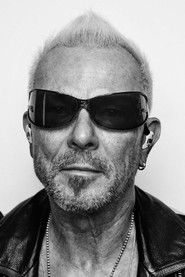
Rudolf Schenker
Self - Rhythm Guitarist, Surrogate Band (as Scorpions)
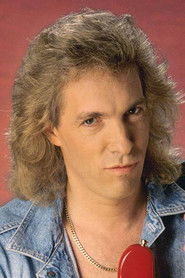
Francis Buchholz
Self - Bassist, Surrogate Band (as Scorpions)
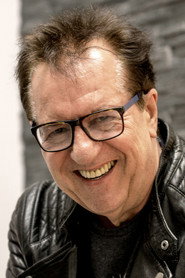
Herman Rarebell
Self - Drummer & Percussionist, Surrogate Band (as Scorpions)

Ute Lemper
Self - Vocals

Cyndi Lauper
Self - Vocals
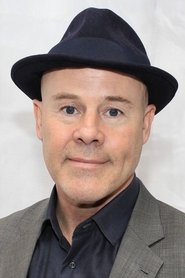
Thomas Dolby
Self - Synthesizer, vocals

Sinéad O'Connor
Self - Vocals
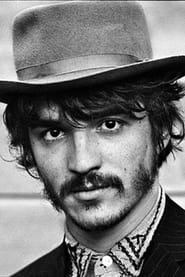
Rick Danko
Self - Vocals

Levon Helm
Self - Vocals




Roger Waters
Roger Waters
Self / Pink, The Father / The Doctor
Roger Waters
Self / Pink, The Father / The Doctor
Klaus Meine
Klaus Meine
Self - Leader, Surrogate Band (as Scorpions)
Klaus Meine
Self - Leader, Surrogate Band (as Scorpions)
Matthias Jabs
Matthias Jabs
Self - Lead Guitarist, Surrogate Band (as Scorpions)
Matthias Jabs
Self - Lead Guitarist, Surrogate Band (as Scorpions)
Rudolf Schenker
Rudolf Schenker
Self - Rhythm Guitarist, Surrogate Band (as Scorpions)
Rudolf Schenker
Self - Rhythm Guitarist, Surrogate Band (as Scorpions)
Francis Buchholz
Francis Buchholz
Self - Bassist, Surrogate Band (as Scorpions)
Francis Buchholz
Self - Bassist, Surrogate Band (as Scorpions)
Herman Rarebell
Herman Rarebell
Self - Drummer & Percussionist, Surrogate Band (as Scorpions)
Herman Rarebell
Self - Drummer & Percussionist, Surrogate Band (as Scorpions)
Ute Lemper
Ute Lemper
Self - Vocals
Ute Lemper
Self - Vocals
Cyndi Lauper
Cyndi Lauper
Self - Vocals
Cyndi Lauper
Self - Vocals
Thomas Dolby
Thomas Dolby
Self - Synthesizer, vocals
Thomas Dolby
Self - Synthesizer, vocals
Sinéad O'Connor
Sinéad O'Connor
Self - Vocals
Sinéad O'Connor
Self - Vocals
Similar Movies
In 1988, Tilda Swinton toured round the Berlin Wall on a bicycle - starting and ending at the Brandenburg Gate - accompanied by filmmaker Cynthia Beatt. As Swinton travels through fields and historic neighborhoods, past lakes and massive concrete apartment buildings, the Wall is a constant presence.
13 August 1961: the GDR closes the sector borders in Berlin. The city is divided overnight. Escape to the West becomes more dangerous every day. But on September 14, 1962, exactly one year, one month and one day after the Wall was built, a group of 29 people from the GDR managed to escape spectacularly through a 135-meter tunnel to the West. For more than 4 months, students from West Berlin, including 2 Italians, dug this tunnel. When the tunnel builders ran out of money after only a few meters of digging, they came up with the idea of marketing the escape tunnel. They sell the film rights to the story exclusively to NBC, an American television station.
“Liberty Train – Bürger’s Long Journey” sheds light on the events of the PEACEFUL REVOLUTION of 1989 from different perspectives. It centres on the eyewitnesses who, together with thousands of other people who had fled East Germany, were in the garden of the West German Embassy in Prague on the evening of the 30 September 1989.

In August 1961, a few railway cars and barbed wire divided East Germany from West. It was a barrier that would be extended and become increasingly more sophisticated, a technological counter to each escape attempt. Computer imagery reconstructs how the Berlin Wall grew from a meager obstacle to a 97 mile barrier of concrete slabs, watchtowers and guards.

David Hasselhoff, better known for his roles in “Knight Rider” and “Baywatch” released a song titled, “Looking for Freedom” the year before the Berlin Wall came down. He performed it on top of the Berlin Wall to a million people during the biggest New Year's Eve party Germany had ever seen. Twenty five years later, David revisits the now-reunited capital, investigating what is left of the Wall, and explores what it meant in the context of the Cold War dividing Communism in the East from democracy in the West. Along his journey he meets extraordinary people who dreamt of freedom and risked their lives trying to overcome the dreaded Berlin Wall.