

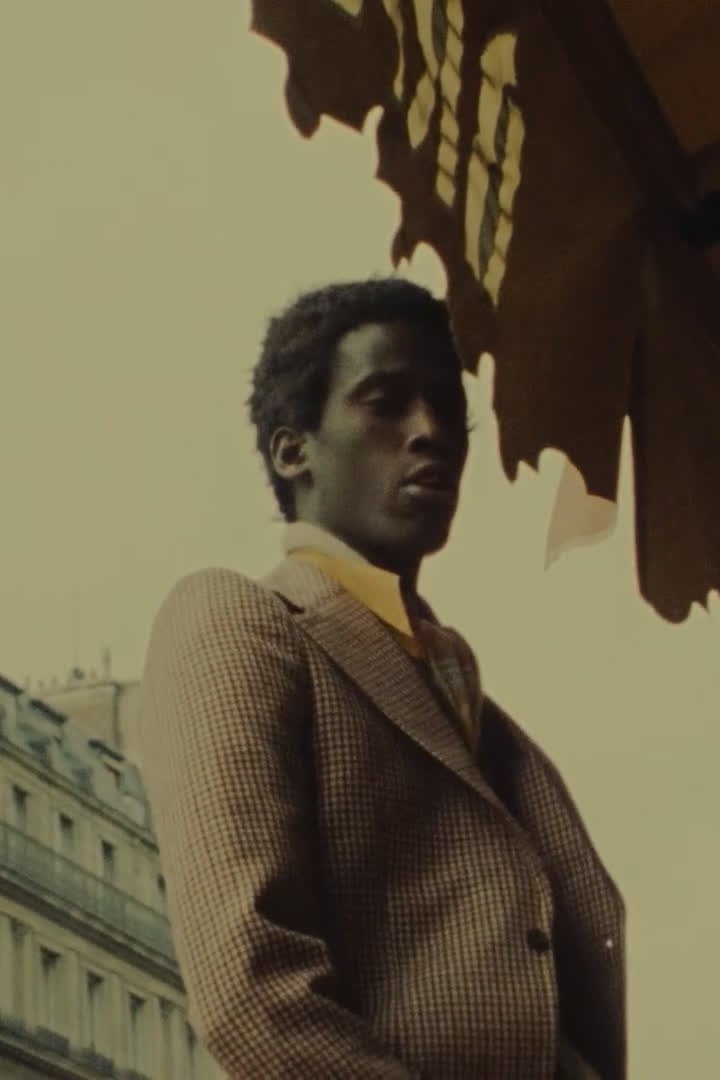
Les Princes Noirs de St. Germain-Des-Prés
Drama
Overview
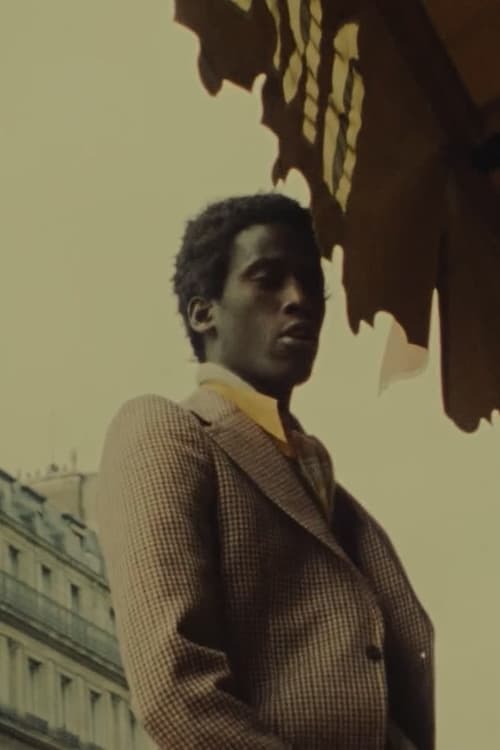
A satire about young African men arriving in the district of Saint Germain des Prés in Paris during the 70s.
Top Cast





Muriel Douaz
Muriel Douaz
Muriel Douaz
Moussa Sarr
Moussa Sarr
Moussa Sarr
Aurélia Crawford
Aurélia Crawford
Aurélia Crawford
Wasis Diop
Wasis Diop
Wasis Diop
Similar Movies

Ben Singer is a failed children's folk singer, a career proofreader, a less-than-extraordinary weekend dad, and perhaps the most negative man alive. Floundering in all aspects of his life, Ben's only comfort comes from regular chess games and friendly debates on game theory with his Senegalese roommate Ibou. When Ibou is suddenly struck ill, Ben's pessimistic worldview seems unequivocally confirmed. It takes an extended visit from Ibou's sister Khadi for Ben to realize that cynicism may be all a matter of perspective.
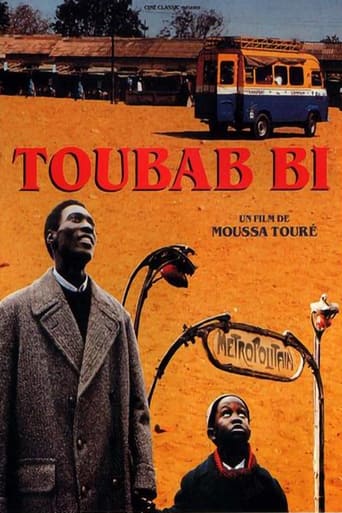
Soriba Samb is a Senegalese who has just received a much sought after internship to study filmmaking in Paris. Soriba heads to Paris, accompanied by the five-year old son of a friend who he believes to be still living in Paris. On arrival he struggles to find the boy’s father. In addition to coping with his new internship, Soriba has to also spend time tracking down the boy’s father ‘Issa’.

Iranian Iradj Azimi directed this French historical drama re-creating events depicted in the famous 1819 painting The Raft of the Medusa by Jean Louis Andre Theodore Gericault (1791-1824). The ill-fated voyage of the frigate Medusa begins when it departs Rochefort for Senegal in 1816. After striking a sandbar off the African coast, 150 civilians row safely to shore, but Captain Chaumareys (Jean Yanne) orders 140 soldiers and sailors onto a raft (minus supplies) and has it cut loose. Only 14 survive from the 140, creating a scandal back in France. Gericault (Laurent Terzieff) later talks to three of the survivors while researching his painting. Work on this film began in 1987, but sets destroyed by Hurricane Hugo caused delays, so the film was not completed until 1990. However, it then remained undistributed until an incident in which writer-director Azimi slashed his wrists in front of French Ministry of Culture officials.

Talia is a 19-year-old Belgian girl, with Senegalese roots, who is visiting her country of origin for the first time. In Dakar, in his cousin's family's luxurious villa, he hopes to meet his grandmother. But she can't find her anywhere and the villa quickly becomes a "golden prison." Until she meets Malika, a mysterious bird peddler.

El Hadj is studying in Paris. He is one of the young Senegalese men who have come to Paris since the French colony became independent to get a good education so that he can serve his fatherland on his return. Unexpectedly he is suddenly confronted by a problem with his residence papers, just because he has arranged an extension too late. His pleasant life filled with good prospects has gone in one fell swoop. He faces a dilemma. He can stay illegally in France, the country where he feels at home, where he has his friends, has fallen in love and can drink water from the tap. Or he can return (without graduating) to the 3rd-world country of Senegal to use the knowledge he has acquired. It is not only a practical choice. It comes down to the question of who he is, who he thought he could be.
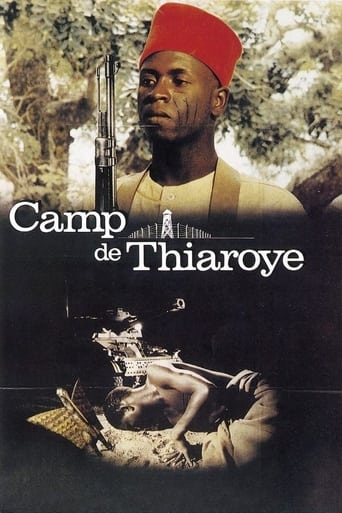
A Senegalese platoon of soldiers from the French Free Army are returned from combat in France and held for a temporary time in a military encampment with barbed wire fences and guard towers in the desert. Among their numbers are Sergeant Diatta, the charismatic leader of the troop who was educated in Paris and has a French wife and child, and Pays, a Senegalese soldier left in a state of shock from the war and concentration camps and who can only speak in guttural screams and grunts.