

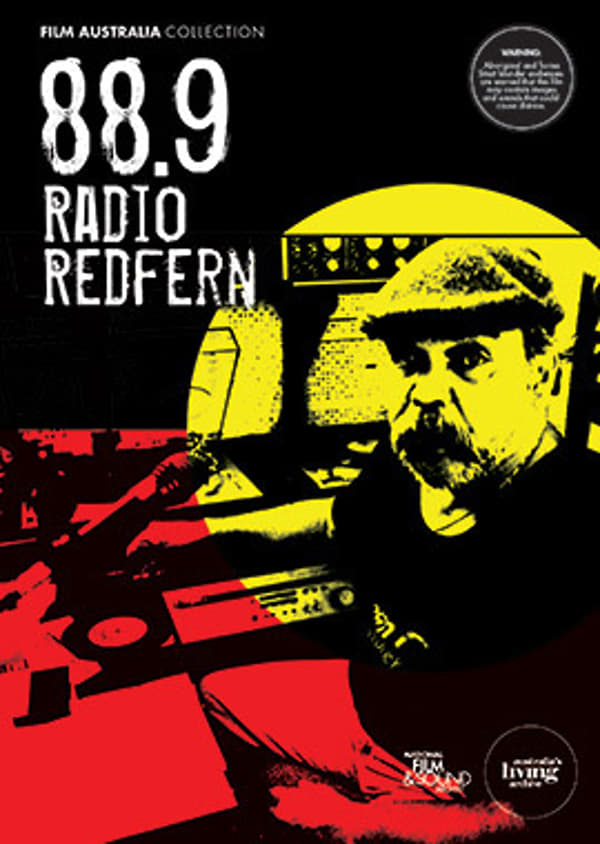
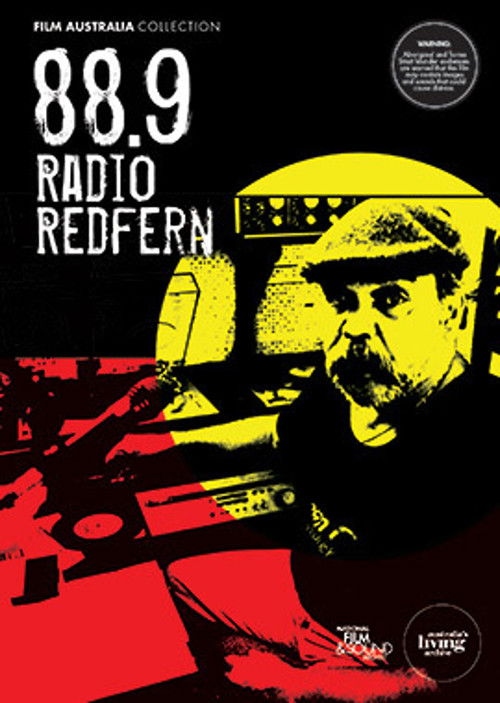
88.9 Radio Redfern
Documentary
Overview
An observational documentary which looks at Sydney’s first community Aboriginal radio station, 88.9 Radio Redfern. Set against a backdrop of contemporary Aboriginal music, 88.9 Radio Redfern offers a special and rare exploration of the people, attitudes and philosophies behind the lead up to a different type of celebration of Australia’s Bicentennial Year. Throughout 1988, 88.9 Radio Redfern became an important focal point for communication and solidarity within the Aboriginal community. The film reveals how urban blacks are adapting social structures such as the mass media to serve their needs.




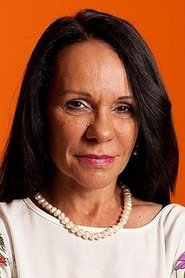
Linda Burney
Linda Burney
Self
Linda Burney
Self
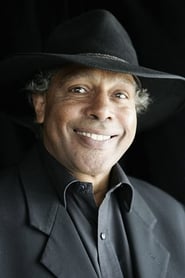
Ernie Dingo
Ernie Dingo
Self
Ernie Dingo
Self
Mac Silva
Mac Silva
Self
Mac Silva
Self
Cheryl Rose
Cheryl Rose
Self
Cheryl Rose
Self
Michael Watson
Michael Watson
Self
Michael Watson
Self
Tiga Bayles
Tiga Bayles
Self
Tiga Bayles
Self
Michael Bayles
Michael Bayles
Self
Michael Bayles
Self
Chris Kirkbright
Chris Kirkbright
Self
Chris Kirkbright
Self
Maureen Watson
Maureen Watson
Self
Maureen Watson
Self
Brenda Croft
Brenda Croft
Self
Brenda Croft
Self
Similar Movies
After a quarter-century of political denial and social stigma, of stunning scientific breakthroughs, bitter policy battles and inadequate prevention campaigns, HIV/AIDS continues to spread rapidly throughout much of the world. Through interviews with AIDS researchers, world leaders, activists, and patients, FRONTLINE investigates the science, politics, and human cost of this fateful disease and asks: What are the lessons of the past, and what can be done to stop AIDS?

As the first part of our investigation, the CORONA.FILM prologue will delve into the science behind the pandemic. Starting at the very beginning, we shine a light on the responses. The aim is not to point the finger; our aim is to tell the whole story in all its complexity, as we believe that justice cannot prevail if only one side of the story is told.
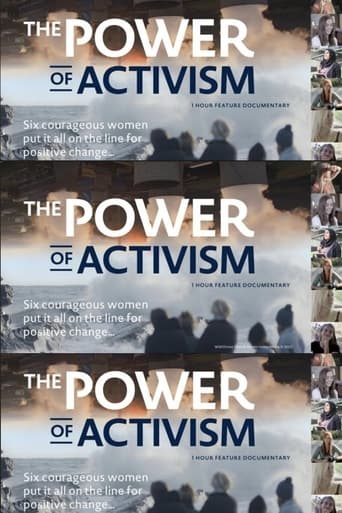
This film takes us on an emotional journey from sacred ground above Byron Bay to Antarctica, Indonesia to Pakistan, and is sure to light a fire under the strongest climate change denier. THE POWER OF ACTIVISM focuses on six highly spirited female activists as they are put under the microscope to ascertain the financial impact of their environmental solutions… and the results are astonishing. From shark conservation to indigenous practices, intensive farming to plastic pollution; all their ‘causes' fall under the umbrella of "climate change", but they should also fall under the umbrella of "saving tax payers hundreds of millions of dollars!”
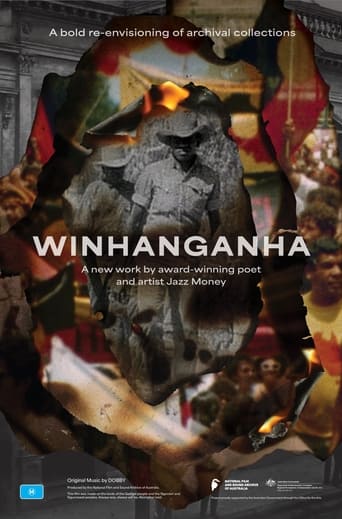
WINHANGANHA (Wiradjuri language: Remember, know, think) - is a lyrical journey of archival footage and sound, poetry and original composition. It is an examination of how archives and the legacies of collection affect First Nations people and wider Australia, told through the lens of acclaimed Wiradjuri artist, Jazz Money.

Built out of “a pile of radio junk,” Bethesda, Maryland’s WHFS was a music fan’s dream of a radio station: the place on the dial to hear music listeners loved and new tunes they soon would, all with an anything-goes mentality and an ear for the sounds of social change. This doc pays loving tribute to free-form radio and WHFS’s influence over FM stations across the US from the 1960s to the 1980s. All good things come to an end, and so did the disc-jockey-driven format that WHFS pioneered and made successful, but its legacy lives on. The station’s DJs relate its history with passion in this film that captures the tenor of an era, abetted by reminiscences of performers including Emmylou Harris, Taj Mahal, Jesse Colin Young, and others whose music found its way to ears and minds eager for something more than the same old Top 40 programming.
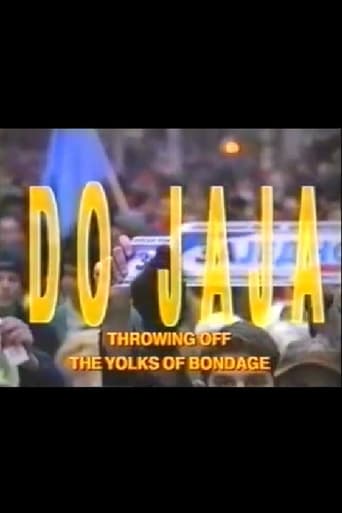
Milošević’s regime has rigged the results of parliamentarian elections in autumn 1996. This was a cause for mass rallies in Belgrade and other cities in Serbia. The film documents the protests during the first four days of their protests, their political and criticising charge but also the carnival spirit. On the seventh day of the protests the film was edited and had a premiere screening in the Rex Cinema.
Are eligible Indigenous bachelors an endangered demographic in the 21st century? That’s the question cheekily posed by Tracey Rigney’s debut documentary short, which invites First Nations individuals to confide what they desire, what holds them back, and their hopes and worries about whether they’ll ever find The One. Endangered first screened at the Melbourne International Film Festival in 2005.
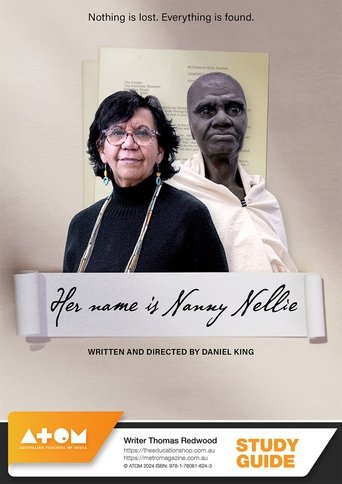
Powerful and poignant, Her Name is Nanny Nellie offers us the rare privilege of bearing witness to a family reclaiming their history. In 1925, the Australian Museum commissioned three statues of ‘full blood ’Aboriginal people: a child, a man and a woman, exhibited as nameless objects to be studied as examples of a ‘dying race.’ The woman was Nellie Walker, Irene Walker’s great grandmother and director Daniel King’s great, great grandmother. Now Irene is on a journey to retrace Nellie’s life and to reconnect the other families to their ancestors’ statues and re-display them, this time with their names, identities and dignity. This is far more than a symbolic quest, but an opportunity to change how we remember and represent, and to give the nameless names.