


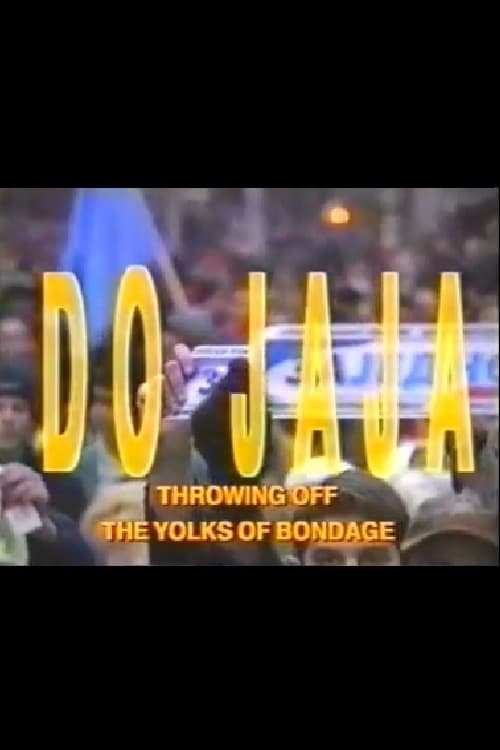
Throwing Off the Yolks of Bondage
Documentary
Overview
Milošević’s regime has rigged the results of parliamentarian elections in autumn 1996. This was a cause for mass rallies in Belgrade and other cities in Serbia. The film documents the protests during the first four days of their protests, their political and criticising charge but also the carnival spirit. On the seventh day of the protests the film was edited and had a premiere screening in the Rex Cinema.








No cast information.
Similar Movies
The documentary project The Term was conceived in May 2012. When the directing trio commenced mapping the Russian sociopolitical landscape, Vladimir Putin had just settled into the Kremlin for his third term. The original experimental format of “documentary bulletins,” which were published daily online, allowed for wide-ranging content; in the feature film version, however, the filmmakers focused solely on the members of various opposition groups. Nevertheless, the work’s neutral position remains and viewers have to interpret the objectively presented situations for themselves. The main characteristics of this strongly authentic movie include close contact with the protagonists, precise editing, and an effectively controlled release of information.
As the first part of our investigation, the CORONA.FILM prologue will delve into the science behind the pandemic. Starting at the very beginning, we shine a light on the responses. The aim is not to point the finger; our aim is to tell the whole story in all its complexity, as we believe that justice cannot prevail if only one side of the story is told.
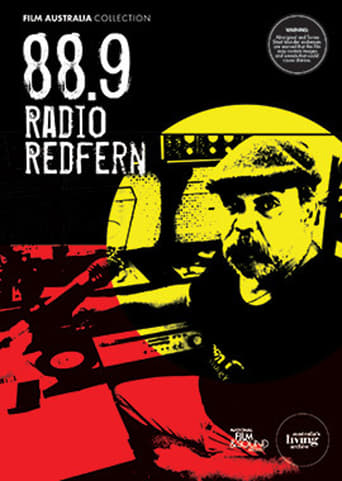
An observational documentary which looks at Sydney’s first community Aboriginal radio station, 88.9 Radio Redfern. Set against a backdrop of contemporary Aboriginal music, 88.9 Radio Redfern offers a special and rare exploration of the people, attitudes and philosophies behind the lead up to a different type of celebration of Australia’s Bicentennial Year. Throughout 1988, 88.9 Radio Redfern became an important focal point for communication and solidarity within the Aboriginal community. The film reveals how urban blacks are adapting social structures such as the mass media to serve their needs.
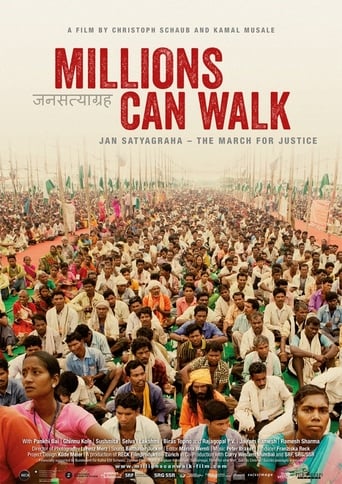
Hundreds of thousands of Indian men and women – indigenous inhabitants and landless farmers – demand their right to existence by making a 400 kilometre protest march from Gwalior to Delhi. How can one fight for one’s rights without using violence? With such an important contemporary question, the film spreads far beyond the borders of India. It shows the multiple facets of this imposing protest march and focuses as well on the daily realities of these proud people.
As anger and resentment grow in the face of social inequalities, many citizens-led protests are being repressed with an ever-increasing violence. In this documentary, David Dufresne gathers a panel of citizens to question, exchange and confront their views on the social order and the legitimacy of the use of force by the State.
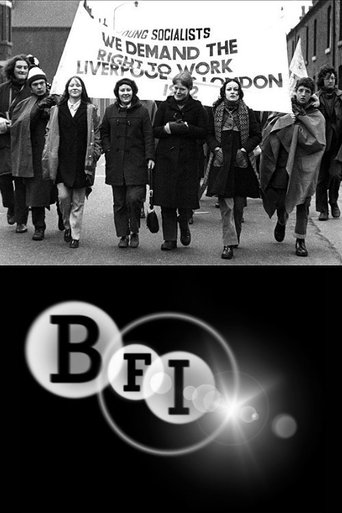
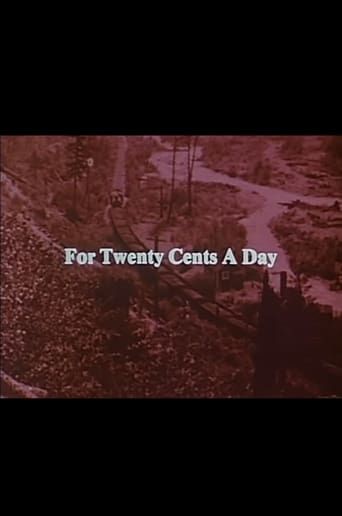
A film documenting work shortages during the Depression of the 1930s and the attempts to deal with the unemployed, in particular young men. The film discusses the establishment of relief camps and projects, where men were paid twenty cents per day; the founding of organizations such as the Co-operative Commonwealth Federation (CCF), Workers' Unity League, and Relief Camp Workers' Union; general unionization and protest of the unemployed, including the On To Ottawa Trek, Regina Riot, sit-in strike from May to June 1938 at the Vancouver Main Post Office, Vancouver Art Gallery and Hotel Georgia, and the resulting Bloody Sunday of June 19.
“El apagón: Aquí vive gente” is a 23-minute film that explores the socio-economic challenges in Puerto Rico, focusing on the effects of power outages and gentrification driven by the real estate and energy sectors. Through visuals and personal stories, the documentary highlights the experiences of Puerto Rican communities facing these issues.
In Argentina, a woman dies every week as the result of illegal abortions. In 2018, for the seventh time, a motion supporting legal, secure and free abortion was presented to the national congress of Argentina. The project provoked a fierce debate, revealing a society divided more than ever between the pro-life and freedom to choose positions. Through an assemblage of passionate testimonies, Let It Be Law documents the determination of women fighting bravely to secure the right to physical self-determination, and bears witness to their massive mobilization in the streets of Buenos Aires.