

Nos hommes dans l'Ouest
Documentary
Overview
A different perspective on the exile and social impact of major projects such as oil sands mining in Alberta, Canada. These large-scale projects, based on economic growth, also have human costs that change the cultural face of the regions on a small or large scale. Over a six-month period, three families from the Acadian Peninsula in New Brunswick opened their doors and hearts to director Renée Blanchar and her team. A film about exile, choice of life, values, but especially absence; absence being probably the highest price to pay for each member of these families.



No cast information.
Similar Movies
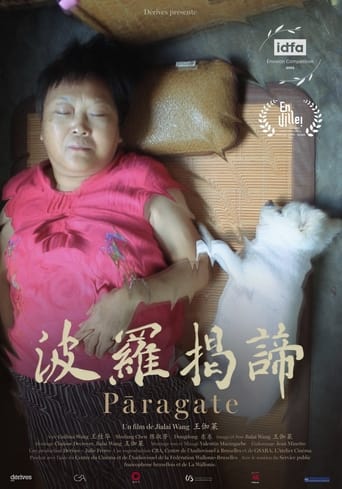
From Belgium, Jialai Wang maintains contact via smartphone and camera with her mother and grandmother in China. When her grandmother’s health deteriorates, Jialai returns to Shanghai, but when she arrives, her grandmother has already died, and she is left alone with her mother. A devout Buddhist, her mother seems to pay more attention to her daily prayers, Maoist past and dog Dongdong than she does to her daughter. She herself had been abandoned as a child by her own mother, when she divorced Jialai’s grandfather and moved to the city.
In this short film, artist Jobie Weetaluktuk turns his gaze on his family and the power of ritual through the story of a young woman and her unplanned child. In Inukjuak, an Inuit community in the Eastern Arctic, a baby boy has come into the world and they call him Timuti, a name that recurs across generations of his people, evoking other Timutis, alive and dead, who will nourish his spirit and shape his destiny.
Adapted from a performance by the same name, fuses autobiographical material with information about how an alcoholic family perpetuates addictive behavior. Elements of Alcoholics Anonymous meetings, such as the “Hi, my name is...” introduction are used along with photo-montage and a disjointed narrative. In addition to being shown at venues such as the Museum of Modern Art and the New Museum, Trick Or Drink has been used regularly by hospitals and alcohol treatment centers throughout the United States.
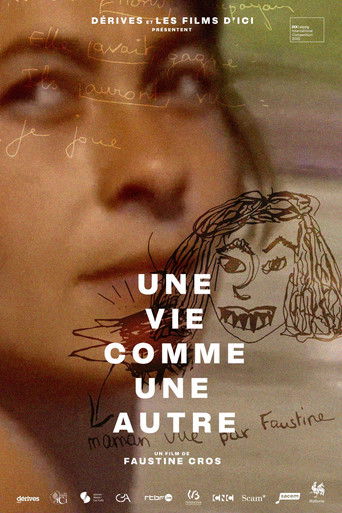
Over many years, the director’s father filmed his family life almost obsessively. His daughter’s birth, his son’s first steps, and always Valérie, the young mother. An impressive fund of material which their now grown-up daughter Faustine appropriates to tell quite a different story: that of a woman who sees her role as a mother and its demands take away her freedom step by step.
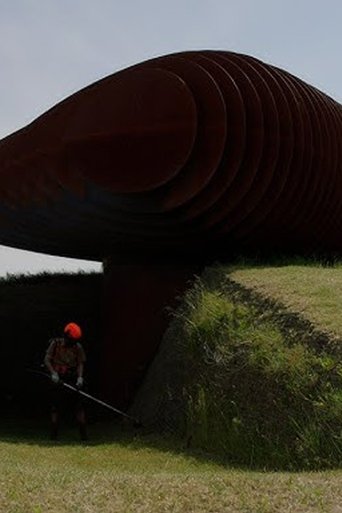
On the outskirts of Den Helder lies De Nollen, an inland dune area where nature, sculpture, and painting merge into a truly immersive experience. It is the life's work of artist Rudi van de Wint. He died unexpectedly in 2006. His sons, Ruud and Gijs, carried on his dream, out of love for their father and for De Nollen. But plans for a Rudi van de Wint museum in the area led to cracks in their idyllic existence.
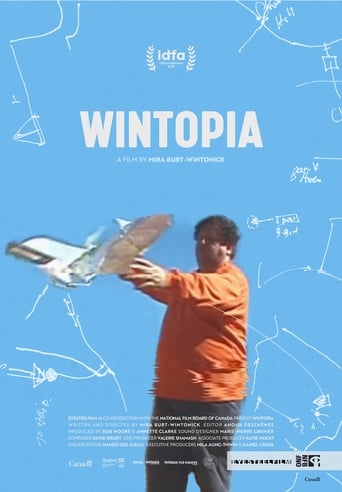
IDFA and Canadian filmmaker Peter Wintonick had a close relationship for decades. He was a hard worker and often far from home, visiting festivals around the world. In 2013, he died after a short illness. His daughter Mira was left behind with a whole lot of questions, and a box full of videotapes that Wintonick shot for his Utopia project. She resolved to investigate what sort of film he envisaged, and to complete it for him.
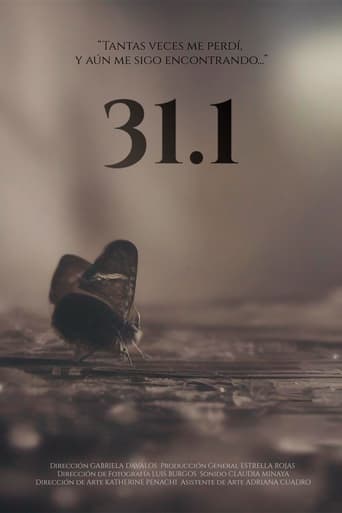
After facing several years of hardships, Gabriela, the director and protagonist of this short documentary, is involuntarily relocated by her family to a rehabilitation center for three months. During this time, she encounters a series of prohibitions that result in complete isolation from society, surrounded by individuals grappling with severe mental health issues. Four years after her release, she embarks on an introspective journey to definitively close that chapter of her life. This poignant documentary immerses us in Gabriela's courageous odyssey, offering an intimate look at her struggle for self-reconciliation and familial understanding. Through powerful imagery and sincere testimonials, the short film invites the audience to contemplate human resilience and the pursuit of forgiveness.